


A Return to Roots
Forget the stacks of plastic plates and mass-produced meals. A new generation of Indian hosts is looking backwards to move forwards, crafting festive gatherings that are both sustainable and deeply authentic. This growing trend sees young people consciously
swapping convenient, disposable items for traditional, earth-friendly alternatives. Driven by a desire for mindful celebrations, they are rediscovering the wisdom of their grandparents’ generation. It’s a shift away from the disposable culture that has dominated for decades, toward a celebration that feels more connected to the earth and our heritage. This isn't just about reducing waste; it's about elevating the festive experience, making it more personal, beautiful, and meaningful.
The Wisdom of the Banana Leaf
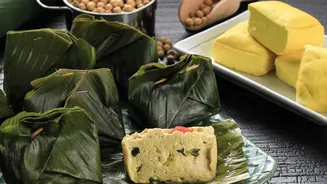
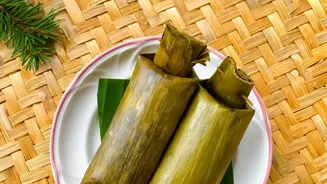
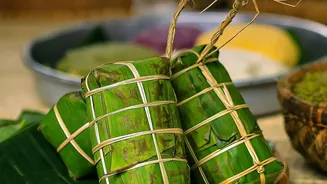
At the heart of this trend is the humble banana leaf. Once a staple for serving food across southern and eastern India, it is making a major comeback. Young hosts are choosing these large, waxy leaves not just for their rustic aesthetic, but for their incredible practicality and environmental benefits. Banana leaves are completely biodegradable, turning into compost within a short time and leaving no trace. They are also hygienic; their natural waxy coating is waterproof and they possess antimicrobial properties that can help kill germs in food. When hot food is served on a banana leaf, it imparts a subtle, earthy aroma and flavour that enhances the meal. Using leaves also eliminates the need for washing with harsh detergents, saving water and preventing chemical runoff.
The Organic and Local Table
The sustainable focus extends from the plate to the food itself. There is a strong movement towards sourcing organic and locally-grown produce for festive cooking. Young hosts are increasingly aware of the health benefits of food free from chemical pesticides and the superior taste of fresh, seasonal ingredients. This choice also has a powerful community aspect. By buying from local farmers' markets or organic suppliers, they are supporting small-scale agriculture and contributing to their local economy. It represents a shift from anonymous, large-scale food production to a more transparent and connected way of eating, where the story of the food on the table is just as important as its taste.
Beyond the Feast: A Sustainable Mindset
This eco-conscious approach doesn’t stop with food. Young hosts are applying the same principles to all aspects of their festive planning. Decorations are increasingly natural, with a preference for fresh flowers, clay diyas, and reusable fabric torans over plastic adornments. Gifting is also becoming more thoughtful, with a rise in popularity for handmade items, experiences, or products from sustainable brands. The overarching goal is to minimise waste and celebrate in a way that honours nature. It reflects a deeper philosophical shift, aligning with traditional Indian values of living in harmony with the environment.
How to Host Your Own Green Feast
Inspired to try it yourself? Adopting this trend is easier than you think. Start by sourcing banana leaves from local markets; they are often available where pooja supplies are sold. Plan a menu that highlights seasonal, local vegetables. When shopping, bring your own cloth bags to reduce plastic waste. For decorations, look to nature: marigold garlands, mango leaves, and earthen lamps create a beautiful, traditional ambience. Instead of paper napkins, consider using small cotton ones that can be washed and reused. Finally, manage leftovers responsibly by composting food scraps and encouraging guests to take food home. Every small step contributes to a celebration that is both joyful and gentle on the planet.