








The Unsung Hero of Fitness
In the world of fitness, we celebrate the grind. We track our macros, count our reps, and log our kilometres. But what about the hours we spend completely still? For too long, sleep has been treated as a passive luxury rather than a critical component
of a healthy lifestyle. The truth is, sleep is the foundation upon which both diet and exercise build their success. It is the body’s prime time for recovery, repair, and hormonal regulation. Without sufficient, high-quality sleep, your hard work in the kitchen and the gym can be significantly undermined. Think of it as the third, equally important pillar of health. Ignoring it is like trying to build a house on an unstable foundation—sooner or later, things will start to crumble.
Sleep for Muscle Growth and Repair
Every time you lift a weight or challenge your muscles, you create microscopic tears in the muscle fibres. This is a good thing; it’s the stimulus for growth. However, the actual repair and growth process doesn’t happen while you’re mid-squat. It happens when you rest, primarily during deep sleep. During these deep sleep stages, your pituitary gland releases a surge of human growth hormone (HGH). This powerful hormone is essential for repairing tissues, building muscle mass, and metabolizing fat. At the same time, processes like muscle protein synthesis—the mechanism by which your body uses protein to repair and build muscle—peak during sleep. Consistently skimping on sleep means you’re denying your body the prime opportunity to recover, effectively leaving your fitness gains on the table.
How Sleep Impacts Weight Management
If weight loss or maintaining a healthy body composition is your goal, sleep is your secret weapon. Lack of sleep throws the hormones that regulate your appetite completely out of whack. Studies have consistently shown that sleep deprivation leads to increased levels of ghrelin, the hormone that signals hunger, and decreased levels of leptin, the hormone that signals fullness. This hormonal imbalance creates a perfect storm, making you feel hungrier while also being less satisfied by the food you eat. To make matters worse, sleep loss also increases cortisol, the body’s primary stress hormone. Chronically elevated cortisol levels can lead to increased fat storage, particularly stubborn belly fat, and can trigger cravings for high-calorie, sugary, and fatty foods.
Your Brain on a Good Night's Sleep
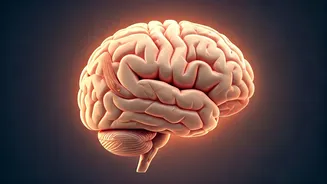
Your fitness journey isn't just physical; it's mental. Motivation, focus, and coordination are all driven by your brain, and a tired brain is an underperforming one. A good night's sleep sharpens cognitive functions that are crucial for a successful workout. It improves your reaction time, enhances your decision-making, and bolsters your motivation to actually get up and exercise. When you're well-rested, you can push harder, maintain better form, and reduce your risk of injury. Conversely, when you're sleep-deprived, that 6 AM alarm for a run feels like a cruel joke, and your ability to execute complex movements safely is compromised. Quality sleep ensures that both your mind and body are ready to perform at their best.
Simple Steps to Better Sleep
Improving your sleep doesn't require a complete life overhaul. Small, consistent changes, often called 'sleep hygiene,' can make a huge difference. Start with these simple strategies: 1. Maintain a Schedule: Try to go to bed and wake up at roughly the same time every day, even on weekends. This helps regulate your body's internal clock. 2. Create a Restful Environment: Make your bedroom a sanctuary for sleep. Keep it dark, quiet, and cool. Blackout curtains and a white noise machine can be excellent investments. 3. Power Down Before Bed: The blue light emitted by phones, tablets, and computers can interfere with the production of melatonin, the hormone that controls your sleep-wake cycle. Put away screens at least 30-60 minutes before bed. 4. Mind Your Consumption: Avoid large meals, caffeine, and alcohol in the hours leading up to bedtime. While alcohol might make you feel drowsy initially, it disrupts sleep quality later in the night.