


From Kitchen Scrap to Garden Star
In a country where coconuts are a kitchen staple, their shells are an abundant resource. Instead of ending up in the bin, these sturdy, biodegradable shells can be repurposed into rustic and attractive planters. This practice is not just about aesthetics;
it's a nod to sustainable living. Using shells reduces household waste and avoids the need for plastic pots. Their natural, earthy look blends seamlessly into any garden or home decor, offering a unique container that is both eco-friendly and completely free. The tough shell, known as the endocarp, is surprisingly durable and decomposes very slowly, making it a reliable home for your plants for a long time.
Starting with Clean Materials
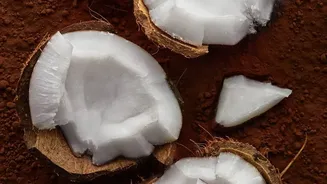
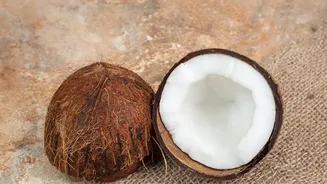
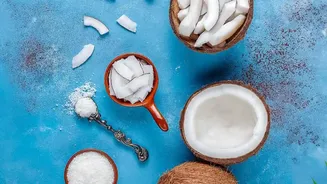
The first critical step is ensuring your coconut shell is properly prepared. A clean shell prevents rot, fungus, and pests from harming your plant. After cracking the coconut open, the most important task is to remove all the white meat. Any residue left inside will decay and can introduce disease. Use a sturdy spoon or a specialised coconut tool to scrape the interior until it's completely clean. Once the flesh is removed, give the shell a thorough rinse with water. Some gardeners also like to lightly sand the inside and outside to create a smoother finish, though this is optional. A clean, well-prepared shell is the foundation of a healthy mini-garden.
The Non-Negotiable: Proper Drainage
If there is one step you cannot skip, it’s creating drainage holes. Without an escape route for excess water, soil becomes waterlogged, leading to root rot, which is a common issue in small containers. A coconut shell's base is non-porous, so you must create the drainage yourself. The three 'eyes' at the bottom of the coconut are natural weak points. Often, one of these can be punctured easily. For effective drainage, however, it's best to use a drill or a hammer and a nail or screwdriver to make two or three small holes in the bottom of the shell. This ensures that your plant's roots can breathe and stay healthy.
Finding a Purpose: Choosing the Right Plants
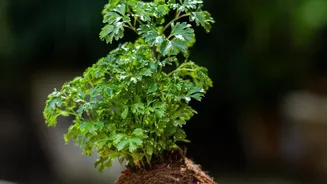
Coconut shells are small, so they are best suited for plants that don't require a lot of root space. This is where 'purpose' comes in. Choosing the right plant is key to success. Succulents and cacti are excellent choices because they are compact, low-maintenance, and thrive in conditions with good drainage. Many common herbs, such as mint, coriander, oregano, and chives, also do very well in these mini pots, giving you fresh garnishes right from your windowsill. Small flowering plants like portulaca (table rose) or even starter seedlings for vegetables can be housed in coconut shells. For a decorative touch, trailing plants like string of pearls or certain varieties of pothos look beautiful as they spill over the shell's edge, especially in hanging planters.
Potting Mix and Ongoing Care
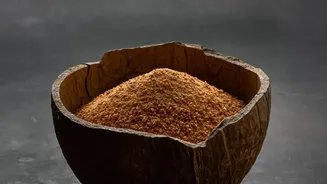
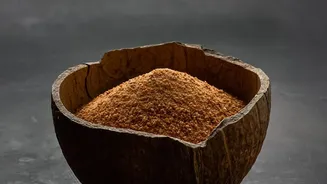
The right soil mix will support your plant's health. Because good drainage is so important, use a light, well-aerating potting medium. A mix of cocopeat (which is also derived from coconuts), compost, and sand or perlite is ideal. This combination holds enough moisture without becoming compacted. When planting, fill the shell with this mix, gently place your plant, and top up with more soil. Remember that small containers like coconut shells can dry out faster than larger pots, especially in the sun. Check the soil's moisture regularly and water when the top inch feels dry. Place your planter in a spot that receives the appropriate amount of sunlight for the plant you've chosen, and your mini garden will be ready to thrive.