








The Telltale Signs of a Robotic Resume
Recruiters are developing a keen eye for CVs that have been created with minimal effort using AI. One of the biggest red flags is the overuse of generic buzzwords and corporate jargon. Phrases like "results-driven professional," "strategic thinker," and "passionate
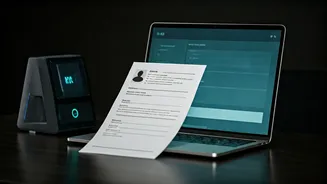
team player" appear so frequently that they have become meaningless without specific evidence. Another giveaway is a summary that reads like a motivational poster or an experience section where every single bullet point begins with a strong action verb, a common trait of AI writing tools. Many AI-generated resumes also share similar language and structure, sometimes leading to multiple applicants submitting identical-sounding cover letters or answers to application questions. Some candidates even forget to remove template placeholders like "[Insert accomplishment here]," an instant giveaway. Ultimately, these resumes feel impersonal and fail to convey the applicant's unique personality and career story.
Why Generic CVs Fail to Impress
The core problem with a low-effort AI resume is that it signals a lack of genuine interest and investment in the role. For recruiters sifting through hundreds, sometimes thousands, of applications for a single opening in a competitive market like India, authenticity is a key differentiator. When a CV is filled with vague descriptions instead of measurable achievements—for example, saying "managed a team" instead of "led a 12-person team to increase efficiency by 15%"—it fails to demonstrate real impact. Worse, AI can sometimes invent or exaggerate details, fabricating metrics or timelines that a candidate cannot defend in an interview, which instantly destroys their credibility. A recent survey revealed that over half of hiring managers view AI-generated resumes as a red flag because they suggest the content may not be genuine. In a market where application volumes have surged, recruiters are tightening their filters, and a CV that seems too perfect or robotic is more likely to be discarded.
Using AI the Smart Way: An Assistant, Not a Ghostwriter
Despite the risks, AI can be a powerful ally in your job search when used correctly. The key is to treat it as a strategic assistant, not a replacement for your own effort and insight. A great way to start is by using AI to analyse a job description. You can paste the text into a tool like ChatGPT and ask it to highlight the essential keywords and skills the employer is seeking. This gives you a clear roadmap for tailoring your application. AI is also excellent for polishing your language. Instead of writing "responsible for marketing," AI can suggest sharper alternatives like "executed a content strategy that boosted lead generation by 25%." Think of AI as a tool for brainstorming, structuring your thoughts, and optimising your phrasing, but never as the final author. The final document must always be reviewed and edited to reflect your true voice and experience.
A Step-by-Step Guide to a Human-Perfected CV
To combine AI's efficiency with your authenticity, follow a structured process. First, create a 'master resume' that details your experiences, skills, and quantifiable achievements in your own words. When you find a job you want to apply for, use AI to analyse the job description and identify the key requirements. Next, prompt the AI to help you tailor your master resume for that specific role, asking it to align your experience with the job's needs and incorporate relevant keywords naturally. This step is crucial for passing through Applicant Tracking Systems (ATS), which many companies use to filter applications. Once AI generates a draft, your work begins. Replace any generic phrases with concrete numbers and specific examples from your career. Read the entire resume out loud to ensure it sounds like you. Cut any exaggerated claims and fact-check every detail, especially metrics that AI might have invented. This human-led editing process is what separates a forgettable, generic application from one that gets you noticed.