





The Golden Rule: Airtight Containers
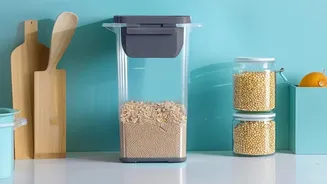
The single most important step you can take is to transfer food from its original packaging into airtight containers. High humidity, which can reach 80-90% during the monsoon, quickly turns staples like flour, pulses, and sugar into unusable clumps. Biscuits,
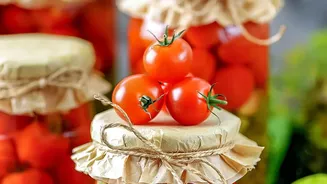
chips, and other dry snacks lose their crunch within hours if left in open packets. Invest in good quality glass or BPA-free plastic jars with tight-fitting lids. This creates a physical barrier that prevents moisture and pests from getting in, preserving freshness and flavour. For items like rice, flour, and lentils, this simple action is crucial as it stops them from absorbing ambient moisture, which can lead to mould and insect infestations.
Protect Your Grains and Flours
Grains and flours are particularly vulnerable during the rains. Before storing, it’s a wise practice to sun-dry items like rice and whole pulses whenever you get a few hours of bright sunlight. This helps remove any existing moisture content. Once in their airtight containers, add a few dried bay leaves or neem leaves, which act as natural insect repellents. Another traditional trick is to place a small pouch of rock salt or a few grains of rice inside your spice containers; these act as natural desiccants, absorbing excess moisture and preventing caking. For extra protection with large quantities of grain, you can use food-safe silica gel packets, replacing them every few months.
Managing Fruits and Vegetables
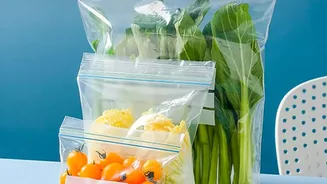
Fresh produce requires a different strategy. Leafy green vegetables spoil very quickly in high humidity. To prolong their life, wash them, dry them thoroughly, and wrap them in paper towels before placing them in the refrigerator. The paper absorbs excess moisture that would otherwise cause them to wilt and rot. For other vegetables, ensure they are dry before refrigerating and consider using breathable vegetable bags. Avoid buying produce in large quantities during the monsoon, as it is more prone to spoilage. Storing items like onions and potatoes in a cool, dry, and dark place with good air circulation is key, but be sure to keep them off the floor, which can transfer dampness. Placing them on a wooden plank or shelf helps.
Keep Your Pantry Dry and Ventilated
The overall environment of your storage area plays a huge role. Kitchen cabinets, especially those near the sink or in dark corners, can become damp and musty. Improve ventilation by opening windows whenever the rain stops to allow fresh air to circulate. Using an exhaust fan while cooking can also help expel steam and reduce humidity. For enclosed spaces like pantries and cupboards, you can place natural moisture absorbers like activated charcoal, camphor balls, or a small open bowl of baking soda. These will help combat the musty smell and prevent the growth of mould on shelves and within containers. Check them periodically and replace as they become saturated.
Smart Habits for a Monsoon-Ready Kitchen
A few small changes in your routine can make a big difference. Always use a clean, dry spoon when taking out spices, flour, or sugar from a container. Even a tiny amount of moisture can compromise the entire batch. Avoid opening jars directly over a steaming pot, as the water vapour can get trapped inside and cause spoilage. Make it a habit to regularly inspect your stored goods. Check weekly for any signs of clumping, discolouration, or a musty smell, as catching moisture damage early can often save the food. Finally, keeping kitchen surfaces clean and dry is essential, as leftover food particles and dampness attract pests and encourage bacterial growth.