






The End of a Punishing Heatwave
The past few weeks have been a test of endurance for residents of North India. Cities across the region have been reeling under a severe heatwave, with temperatures consistently hovering well above normal. The national capital, Delhi, recently recorded
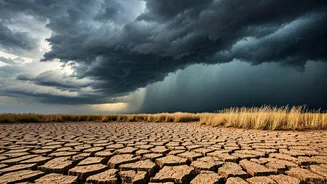
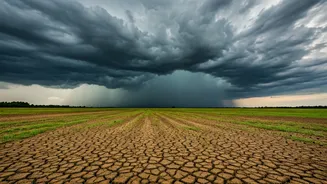
its warmest morning in two years, with the 'feels-like' temperature climbing towards a staggering 51 degrees Celsius. [11, 13] Similarly, parts of Uttar Pradesh have continued to experience severe heatwave conditions, making daily life a struggle and amplifying the desperate wait for the cooling showers of the monsoon. [9, 10] This intense heat is the result of a combination of dry westerly winds from Pakistan and a delay in the arrival of the moisture-laden southwesterly winds that signal the monsoon's onset. [9, 11]
Mapping the Monsoon's Imminent Arrival
The good news, according to the India Meteorological Department (IMD), is that this wait is nearly over. As of June 29, the Northern Limit of Monsoon (the vanguard of the rainy season) passes through central India, including cities like Surat and Indore. [13, 18] From this position, conditions are now favourable for its rapid advance. The IMD has forecast that the monsoon will push into parts of Uttar Pradesh and Uttarakhand over the next two to three days. [10, 14] Following that, over the subsequent two to three days, it is expected to cover the remaining parts of the northern plains, including Himachal Pradesh, Jammu and Kashmir, Punjab, and Haryana, marking its full arrival across the region. [10, 14]
A Delayed but Welcome Guest in Delhi
For residents of the National Capital Region, the monsoon is arriving fashionably late. The normal date for the monsoon's onset in Delhi is around June 27 or 28. [9, 11] This year, however, forecasters predict the arrival to be delayed by about a week, with the first monsoon showers expected around July 3 or 4. [9, 12, 21] Meteorologists explain that the delay has been caused by an atmospheric standoff, where dry continental air has been preventing the moist monsoon winds from the Arabian Sea from gaining a foothold. [9] This has led to the uncomfortably high heat and humidity without the payoff of widespread rain, a phenomenon that is set to change as the monsoon trough strengthens and moves north.
More Than Just Rain
The arrival of the monsoon is far more than just a change in weather; it's the lifeblood of the region's economy and agricultural cycle. Farmers across Punjab, Haryana, and western Uttar Pradesh have been anxiously awaiting the rains to begin sowing their Kharif crops, particularly paddy, which is heavily dependent on monsoon rainfall. [12] The rains will also be critical for replenishing dangerously low water levels in rivers and reservoirs, which are essential for drinking water supply and electricity generation throughout the year. The drop in temperature will not only bring personal comfort but will also reduce the immense strain on the power grid from the widespread use of air conditioning.
What to Expect: Cooler Days Ahead
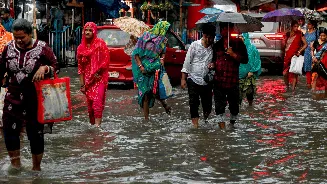
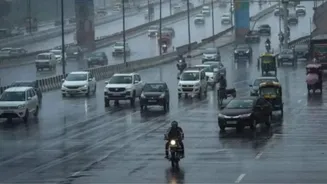
The forecast for the coming week signals a definitive shift. As the monsoon establishes itself, maximum temperatures across northwest India are expected to fall by a significant 4-6 degrees Celsius. [13] The weather pattern will change from relentless sun to partly cloudy skies, accompanied by thunderstorms, lightning, and gusty winds ranging from 40-50 kmph. [11] While the relief from heat is the primary focus, the initial phase of the monsoon can also bring challenges. Authorities often warn of the potential for waterlogging in low-lying urban areas and traffic disruptions. While the Northeast and other parts of India have already been experiencing heavy downpours and even flooding, the northern plains are now bracing for their own turn to welcome the rains. [15, 17]