

The Risk of a Needless Move
For a houseplant, repotting is a major, stressful event. It's the equivalent of major surgery. Disturbing a plant’s root system can lead to a condition known as transplant shock, with symptoms like wilting, yellowing leaves, and stunted growth. While
some temporary drooping is normal, severe shock can set a plant back for weeks or even prove fatal if not handled correctly. Many new plant owners, and even experienced ones, mistakenly believe repotting is a routine task that should happen on a yearly schedule. Some are tempted by a stylish new pot or simply assume that a growing plant must need a bigger home. However, most houseplants prefer their roots to be snug and can live happily in the same pot for several years. Repotting a healthy, stable plant can introduce unnecessary risks, including root damage and overwatering, as a larger volume of soil holds more moisture than the plant may be used to.
Clear Signs Your Plant Needs Help
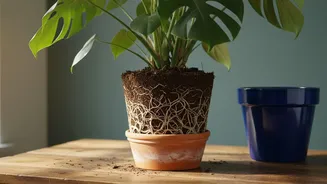
Instead of following a calendar, learn to read your plant’s signals. It will tell you when it’s genuinely time for a move. The most obvious sign is a root-bound condition, where the roots have filled the entire pot. One of the clearest indicators is seeing a dense network of roots poking out of the drainage holes. You might also see roots pushing up and becoming visible above the soil's surface. Another key sign is related to watering. If you find yourself watering far more frequently than you used to because the soil dries out in just a day or two, the pot likely contains more roots than soil. In advanced cases, water might run straight through the pot without being absorbed at all, because there's simply not enough soil left to retain moisture. Finally, look at the growth. If new leaves are coming in smaller than usual, look distorted, or if the plant's overall growth has completely stalled during its active growing season, it may be a cry for more space.
Confirming with a Root Check
If you suspect your plant is root-bound based on the visible signs, the definitive test is to gently slide it out of its pot. Don't worry, this won't harm the plant if done carefully. Tip the pot on its side and gently ease the plant out. If it’s truly root-bound, you will see more roots than soil. The roots will likely be a dense, tangled mass, often circling the bottom and sides, perfectly holding the shape of the pot. In severe cases, the roots can become so compacted that they look 'woody' and you may even have to squeeze a flexible plastic pot to loosen the root ball. If, on the other hand, you slide the plant out and see plenty of loose soil around a healthy but not-overcrowded root system, the plant is content. Simply slide it back into its pot and look for other causes for any symptoms you may have noticed, such as lighting or watering habits.
Repotting with Purpose
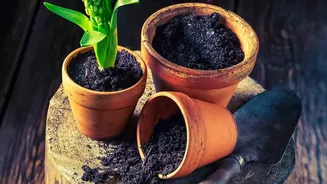
Once you've confirmed your plant truly needs a new home, the goal is to make the transition as smooth as possible. Choose a new pot that is only one to two inches larger in diameter than the current one. Moving to a pot that is too large can lead to root rot because the excess soil will stay wet for too long. Use fresh, appropriate potting mix, as old soil becomes compacted and depleted of nutrients over time. When you remove the plant from its old pot, gently loosen the tightly wound roots at the bottom to encourage them to grow outwards into the new soil. Place a layer of fresh soil in the bottom of the new pot, position the plant in the center, and fill in the sides with more soil, gently packing it down to eliminate air pockets. After repotting, water it thoroughly, but then allow the plant time to acclimate. It’s best to wait at least a few weeks before you start fertilizing again.