



An Unmistakable Arrival
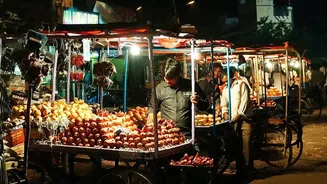
There are few street foods as eagerly anticipated as the monsoon bhutta. As rains cool the summer heat, vendors with their small carts and heaps of fresh corn cobs appear on street corners, a familiar and welcome sight. This isn't just about a snack;
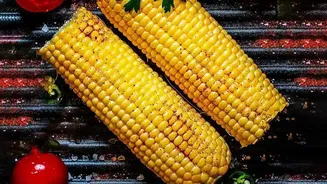
it's a sensory experience. The sight of the vendor fanning the coals, the crackle of kernels as they char, and the final flourish of spices is a cherished ritual. For many, the simple act of buying a freshly roasted bhutta, its warmth seeping into their hands on a cool, rainy day, is a core memory of the Indian monsoon.
The Desi Difference
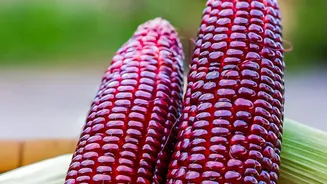
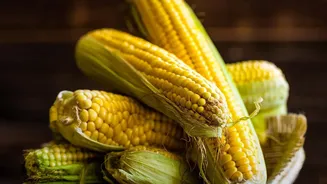
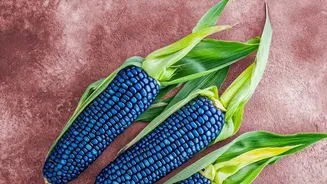
Not all corn is created equal, and the bhutta enjoyed during the monsoon is distinct from the sweet American corn available year-round. The traditional Indian variety, often called 'desi' or white corn, is less sweet and much starchier. While American sweet corn is tender, the desi corn has a firm, chewy, and almost nutty texture that makes it perfect for roasting directly over coals. This sturdier kernel stands up to the high heat, developing a satisfying char without turning mushy. It provides a more substantial bite, making it the ideal canvas for the tangy and spicy flavours that follow.
The Art of the Perfect Bhutta
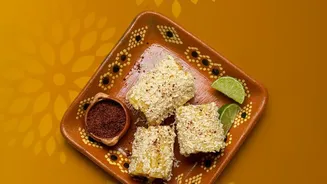
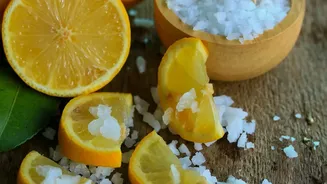
The preparation is a masterclass in simplicity and flavour. Once roasted to perfection, with just the right amount of char, the bhutta is prepared for its signature dressing. The vendor takes half a lemon, dips it into a potent mixture of salt, red chilli powder, and sometimes chaat masala or black salt, and rubs it generously all over the hot cob. The lemon juice helps the spices cling to every kernel while adding a sharp, tangy counterpoint to the smoky corn. Every bite is a complex explosion of flavours: smoky, spicy, salty, and sour, all held together by the earthy taste of the corn itself.
More Than Just a Snack
The humble bhutta transcends being just a food item; it's a cultural touchstone that cuts across all demographics. It’s an affordable treat, a moment of shared joy for families on an evening stroll, friends catching up, or colleagues on a break. The experience of huddling under an awning, sharing a bhutta while the rain pours down, is a pan-Indian tradition. While corn itself was introduced to India centuries ago from the Americas, the masala bhutta is a thoroughly Indian invention, a testament to the country's genius for adapting ingredients and creating unique culinary experiences.
A Healthier Indulgence
In a world of deep-fried monsoon snacks, the roasted bhutta stands out as a relatively healthy option. Being roasted or steamed rather than fried, it's low in fat. Corn is a good source of dietary fibre, which aids digestion, and is packed with essential nutrients and antioxidants. It provides complex carbohydrates for sustained energy and contains vitamins like Vitamin C and minerals like magnesium. Interestingly, the process of cooking corn can actually increase the availability of certain antioxidants like ferulic acid. It’s a guilt-free indulgence that nourishes as much as it delights.