







Getting Started: Registration and Health Checks
Before you even see the mountains, your journey begins with mandatory registration. For the 2026 Yatra, this can be done online via the Shri Amarnathji Shrine Board (SASB) website or offline at designated bank branches. A key requirement is the Compulsory
Health Certificate (CHC), which must be issued by an authorised doctor after a specific date (for 2026, it was April 8th). This certificate confirms you are fit for the high-altitude trek, which is not permitted for children under 13, adults over 70, or women more than six weeks pregnant. Once registered, you will be issued a Yatra Permit and a mandatory Radio Frequency Identification (RFID) card, which you must wear at all times for tracking and safety.
Choosing Your Path: Pahalgam vs. Baltal
There are two main routes to the Amarnath cave, each starting from a different base camp. The traditional route begins near Pahalgam (Nunwan base camp) and is a scenic, 48-km trek spread over 3-5 days. It has a more gradual ascent, making it suitable for first-timers and families. The alternative is the Baltal route, a much shorter but steeper 14-km trek that can be completed in a single day. This path is preferred by those short on time or seeking a more intense physical challenge. Both base camps are sprawling, tented towns with facilities like medical aid, food, and security, but they serve very different trekking experiences. For those unable to trek, helicopter services are available from both base camps to Panchtarni, which is about 6 km from the cave.
Life at the Base Camp
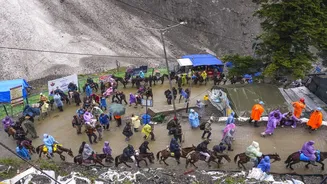
Arriving at the Baltal or Nunwan (Pahalgam) base camp is an experience in itself. These camps transform into bustling hubs of activity during the Yatra. Expect a festive atmosphere with community kitchens, known as 'langars', serving free, hot vegetarian meals to all pilgrims. You'll find tented accommodations for overnight stays, ranging from basic shelters to paid options with more amenities. The camps are a vibrant mix of pilgrims from across the country, with local Muslims often being the main service providers, running shops, and working as pony-wallas and porters, showcasing a beautiful display of communal harmony. Security is tight, with several checkpoints before you enter the main camp area.
The Ascent: The Trek Itself
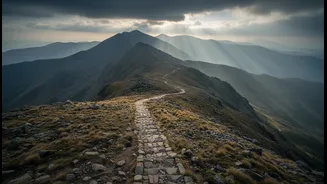
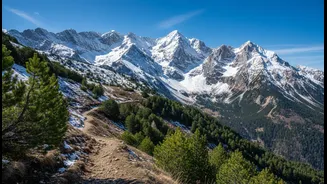
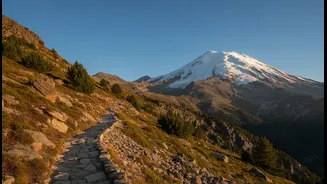
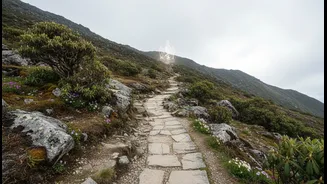
The trek from the base camp is a test of both faith and endurance. Whether you choose to walk, hire a pony, or be carried in a palanquin ('doli'), the journey is physically demanding due to the high altitude and unpredictable weather. The paths can be narrow and slippery, especially if it rains, so sturdy, waterproof trekking shoes are essential. The route takes you through breathtaking landscapes of snow-capped peaks, alpine meadows, and gushing streams. Medical aid posts are available every couple of kilometres for assistance. It is crucial to walk at a steady pace, take regular breaks, and never take shortcuts, as these can be dangerous.
Health and Safety on the Mountain
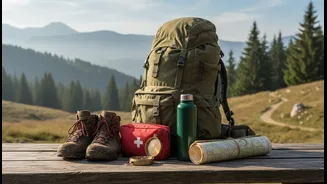
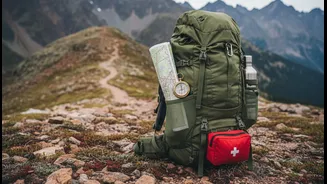
The biggest challenge on the Yatra is the high altitude, which sits at 3,888 metres (12,756 feet) at the cave. Acclimatisation is key; arriving at the base camp a day or two early can help your body adjust. Symptoms of altitude sickness include headache, dizziness, and nausea. If you feel unwell, you must descend to a lower altitude immediately and seek medical help. Staying hydrated by drinking 4-5 litres of water daily is crucial. Wear clothes in layers—thermals, fleece jackets, and a windcheater—as temperatures can drop below 5°C. Also, carry a small daypack with essentials like your water bottle, energy bars, any personal medications, and a first-aid kit.
Darshan at the Holy Cave
The final stretch leads you to the Amarnath cave, where you will have the darshan of the naturally formed ice Shivlingam. The feeling of arrival after the arduous trek is often described as spiritually overwhelming. Be prepared for long queues, especially during peak days. Due to the large number of pilgrims, the time for darshan inside the cave is brief, but the experience is profound. After the darshan, many pilgrims who ascend via the longer Pahalgam route choose to descend via the shorter Baltal route to save time. The journey concludes as you make your way back down to the base camp, filled with a sense of accomplishment and divine blessing.