






Defining the 'Hidden' Crisis
Hidden hunger, or micronutrient deficiency, is a deceptive form of malnutrition. Unlike starvation, its effects aren't always visible to the naked eye, but they are severe. When a person's diet lacks essential vitamins and minerals like iron, zinc, and Vitamin
A—even if they eat enough rice or wheat to feel full—their body cannot function properly. In India, this is a staggering problem, with some estimates suggesting over 80% of the population suffers from at least one micronutrient deficiency. This silent epidemic weakens immune systems, impairs cognitive development in children, reduces productivity in adults, and traps families in a vicious cycle of poor health.
How We Arrived Here: The Monoculture Trap
A key contributor to hidden hunger is the simplification of our agriculture. For decades, the focus has been on securing the nation's food supply by maximising the yield of staple crops like rice and wheat. While this approach averted famine, it inadvertently pushed out a vast diversity of traditional crops. This practice, known as monoculture, involves planting the same crop over vast areas. States like Punjab and Haryana, for example, have over 90% of their food crop area dedicated to rice and wheat. This dependence on a few calorie-dense but nutrient-poor staples has led to less diverse diets, contributing directly to micronutrient deficiencies. Furthermore, monocropping depletes soil of its natural nutrients, requiring more chemical fertilizers and making the entire food system more vulnerable to pests and climate change.
The Solution: Diversity in the Fields
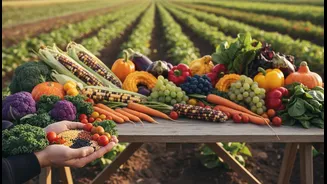
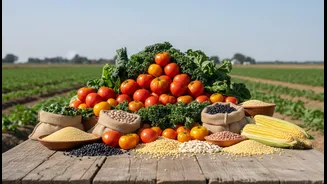
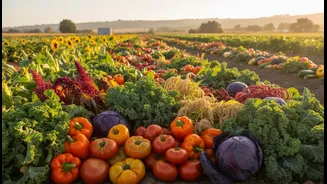
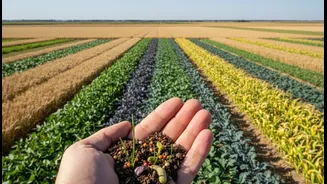
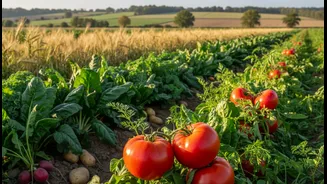
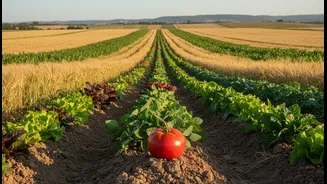
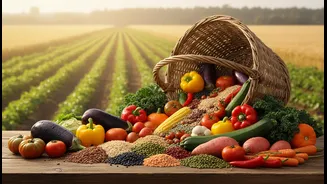
The antidote to a simplified diet is a diversified farm. Diversified farming is the practice of growing a variety of crops, rather than just one. This can include integrating millets, pulses, oilseeds, vegetables, and fruits into the cropping system. The logic is simple: a greater variety of crops grown locally leads to a greater variety of foods available for consumption. This directly enhances dietary diversity, which is a precondition for getting an adequate intake of all essential nutrients. Studies across India have shown a strong link between higher crop diversification and better nutritional outcomes, including reduced undernutrition. Farmers who cultivate multiple crops are better able to provide their families with a balanced diet and are often more resilient to market shocks.
More Than Just a Meal
The benefits of crop diversification extend far beyond the dinner plate. Growing a mix of crops improves soil health and fertility by breaking pest cycles and returning different nutrients to the soil. This reduces the need for costly and environmentally damaging chemical inputs. It also enhances resilience to climate change; if one crop fails due to drought or flood, others may survive, securing the farmer's livelihood. By planting a mix of traditional and high-value crops like fruits and vegetables, farmers can also improve their income, allowing them to purchase other nutritious foods they don't grow themselves. This approach represents a shift from focusing merely on food security (enough calories) to ensuring nutritional security (the right nutrients for a healthy life).