



The Late August Downpour Explained
According to the India Meteorological Department (IMD), a combination of weather systems, including a low-pressure area, is set to keep the monsoon active across the country through the end of August and into early September. Forecasts issued on August 27th
indicate that widespread rain is expected across the Himalayan region, central, eastern, and northeastern states. While this rain is crucial for agriculture, it poses significant risks for those on the move, from flash floods to travel disruptions.
High-Alert Regions to Watch
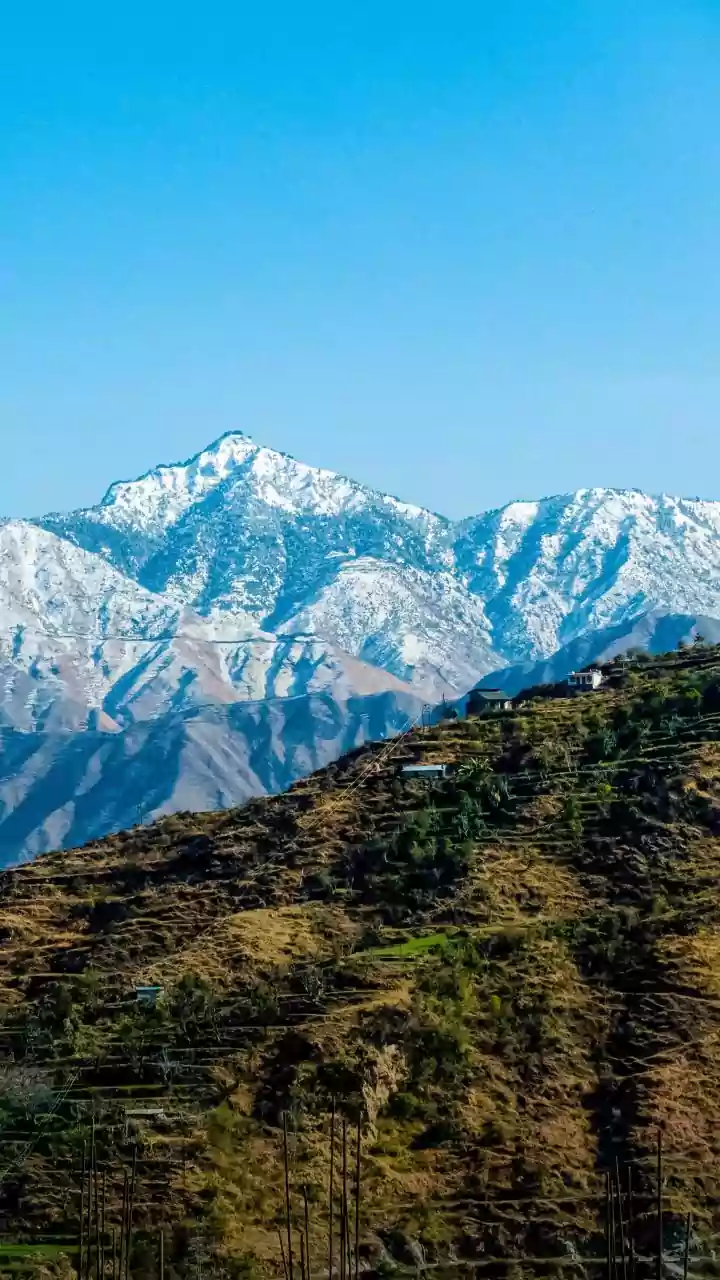
Travellers should exercise particular caution in several regions. The IMD has forecast fairly widespread to widespread rainfall for Uttarakhand, Himachal Pradesh, and Jammu and Kashmir, particularly towards the end of August. Eastern states like Odisha are on alert for isolated very heavy rainfall from August 29 to September 1. Central India, including Madhya Pradesh and Chhattisgarh, will also see persistent heavy showers. The Northeast is another focus area, with states like Arunachal Pradesh, Assam, and Meghalaya expected to receive widespread rain, intensifying around August 30.
Navigating Transport and Travel Hurdles
Heavy monsoon rains notoriously disrupt travel. Landslides and flash floods can lead to sudden road closures, especially in hilly and mountainous areas like Himachal Pradesh and Uttarakhand. Train services can be delayed or cancelled due to waterlogged tracks, and flights may face delays or cancellations because of poor visibility. Waterlogging in cities can bring road traffic to a standstill for hours. It is crucial to build buffer days into your itinerary and check for real-time updates on road, rail, and air transport before and during your journey.
Prioritising Health and Personal Safety
The monsoon season increases health risks. Contaminated water can lead to water-borne diseases, while stagnant water becomes a breeding ground for mosquitoes, increasing the risk of dengue and malaria. It's advisable to drink only bottled or purified water and avoid street food that may not be prepared hygienically. When exploring, be wary of overflowing rivers and streams, and never attempt to cross flooded roads. The force of the water can be deceptive and dangerous. In hilly areas, be alert to the danger of falling rocks and landslides.
Your Essential Monsoon Travel Checklist
Preparation can make all the difference. Before you head out, ensure you have a solid plan and the right gear. Pack lightweight, quick-drying clothes, a reliable raincoat, and waterproof footwear with good grip. A waterproof cover for your backpack and pouches for electronics like your phone and passport are essential. Carry a basic first-aid kit, any personal medications, and a strong insect repellent. Finally, always keep a fully charged power bank, as power cuts can be frequent during heavy rains.
When to Reconsider Your Plans
While many parts of India are beautiful during the monsoon, safety should always come first. If the IMD has issued a red or orange alert for your destination, it is wise to postpone your trip. Travel to extremely remote areas or regions prone to landslides should be avoided during periods of heavy rainfall warning. If your travel is flexible, consider shifting your plans to regions receiving less rainfall, such as parts of Rajasthan or Tamil Nadu, which lie in rain-shadow areas. Always have a backup plan and be prepared to change your itinerary based on weather conditions.