




From Functional to Fashionable
For decades, fibre was the unglamorous workhorse of nutrition. We knew we needed it for good digestion and regular bowel movements, but it was rarely associated with pleasure. It was the stuff of grainy cereals, dense whole-wheat breads, and uninspired
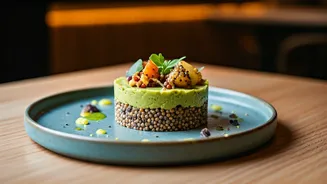
salads — food you ate because you *had* to, not because you wanted to. The word 'fibre' conjured images of something dutiful, perhaps a bit punishing, and certainly not the star of a celebratory meal. Today, that perception is being completely overturned. High-fibre foods are now the centrepiece of some of the most beautiful and sought-after dishes on social media feeds and restaurant menus. The conversation has shifted from just 'roughage' to the sophisticated world of the 'gut microbiome,' prebiotics, and holistic wellness. Eating for gut health is no longer a niche concern; it's a mainstream aspiration, and fibre is its undisputed fuel.
The Glow-Up: What Changed?
Several cultural currents converged to give fibre its much-needed makeover. First, the global wellness movement has put a huge emphasis on gut health. Scientists and wellness gurus alike have highlighted the link between a healthy gut — fed by diverse plant fibres — and everything from improved immunity and mental clarity to better skin. As people started understanding that the trillions of microbes in their gut thrive on fibre, the ingredient suddenly gained a new, sophisticated status.
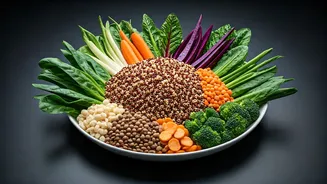
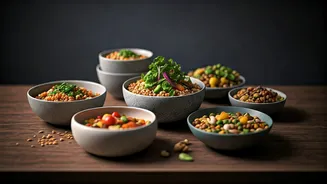
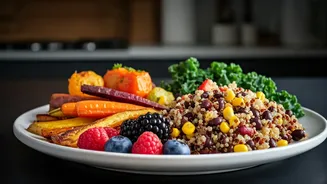
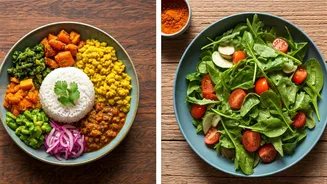
Secondly, the rise of plant-based eating has put vegetables, legumes, grains, and seeds in the spotlight. Chefs and home cooks, challenged to create satisfying meals without meat, have discovered the incredible versatility and flavour potential of these fibre-rich ingredients. Finally, the visual culture of platforms like Instagram has played a crucial role. A drab plate of boiled vegetables won’t go viral, but a colourful, artfully arranged 'Buddha bowl' packed with quinoa, roasted sweet potatoes, chickpeas, avocado, and leafy greens is incredibly photogenic. Chefs and food bloggers have made fibre look like art, transforming it from a mere nutrient into an aspirational lifestyle choice.
The Desi Fibre Renaissance
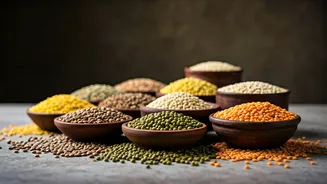
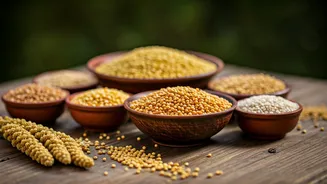
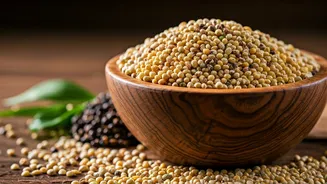
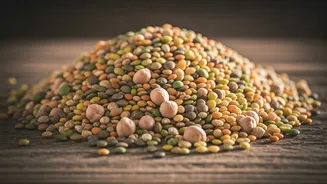
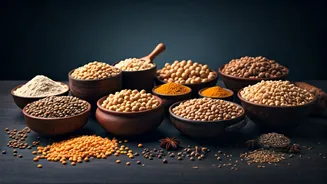
This trend resonates powerfully in India, where traditional diets have always been naturally rich in fibre. What’s new is the presentation and the conscious celebration of these ingredients. Millets like jowar, bajra, and ragi, once considered humble 'village food,' are now gourmet grains starring in everything from risotto and salads to crepes and energy bars. Lentils and dals are being used in creative ways beyond the traditional tadka, forming the base for hearty, flavour-packed salads and dips.
Our wealth of local vegetables — from gourds and leafy greens like moringa to beans and drumsticks — are being stir-fried, roasted, and blended into vibrant dishes that are both nourishing and exciting. The modern Indian kitchen is rediscovering its roots, but with a global sensibility. Think a vibrant beetroot and chickpea hummus, a quinoa upma, or a black rice kheer. It's the same nutritional wisdom, just in a stylish new package.
Making Fibre Attractive at Home
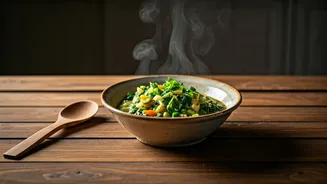
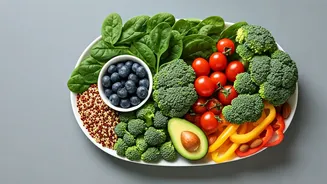
Bringing this trend to your own plate doesn't require a culinary degree. The key is to think in terms of colour, texture, and flavour. Instead of a plain bowl of oats, top it with bright berries, crunchy seeds, and a swirl of nut butter. Transform a simple dal into a hearty soup by blending it and topping it with toasted pumpkin seeds and a sprinkle of chaat masala. Build a salad that’s a meal in itself by starting with a base of mixed greens and adding a grain (like barley or millet), a legume (like chickpeas or rajma), roasted vegetables, and a zesty vinaigrette.
Small swaps can make a big difference. Choose whole-wheat pasta or brown rice over refined versions. Snack on a handful of almonds, an apple, or a pear (with the skin on!) instead of packaged snacks. The goal is to 'crowd out' the low-fibre foods with delicious, high-fibre alternatives, not to deprive yourself.