


A New Era in Low-Earth Orbit
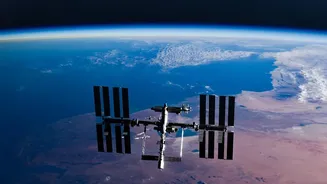
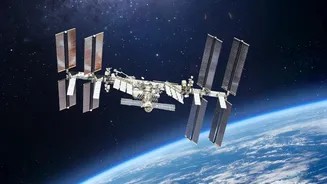
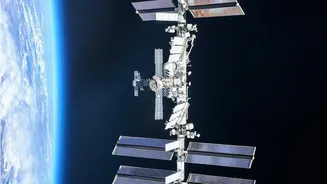
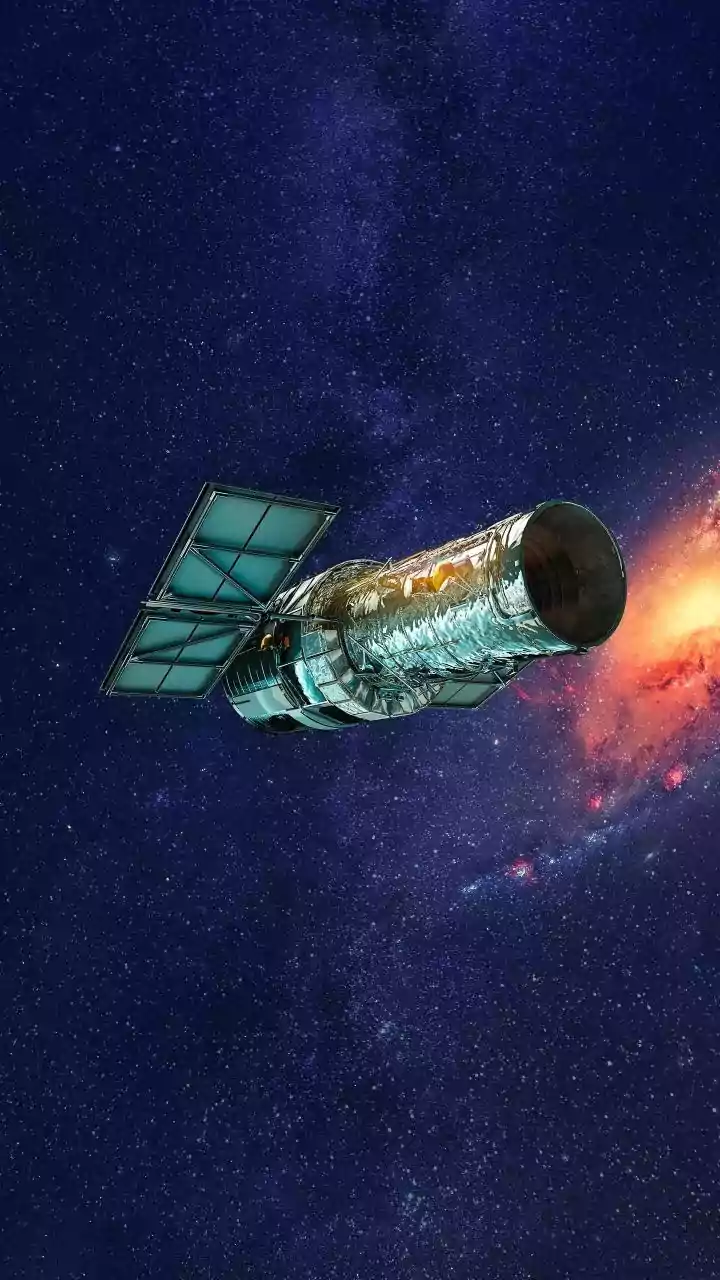
For over two decades, the International Space Station (ISS) has been humanity's lone outpost in orbit, a symbol of international cooperation and a hub for microgravity research. But with the ISS scheduled for retirement around 2030, a new chapter is beginning.
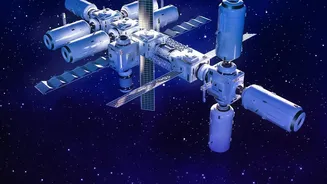
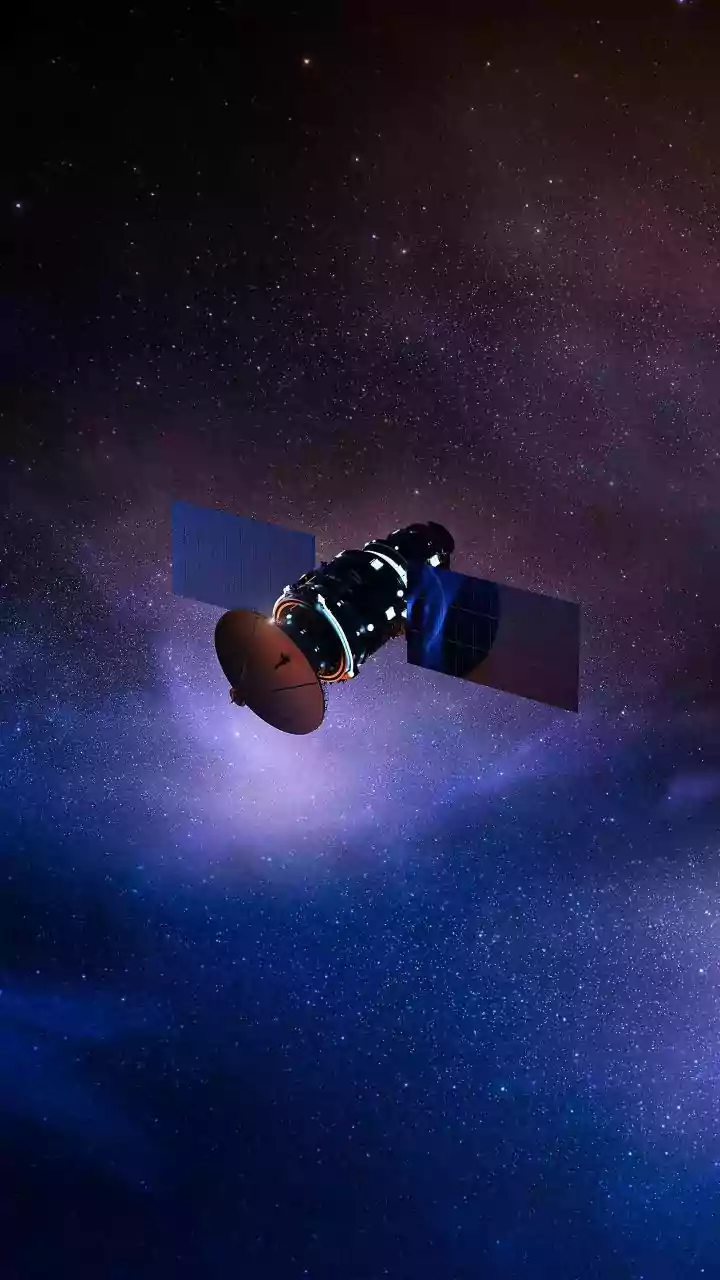
Instead of a government-led successor, a fleet of privately owned and operated commercial space stations is set to take its place. Companies like Vast, Blue Origin with its partner Sierra Space, and Axiom Space are racing to launch the first true commercial habitats. These ventures are not just replacing the ISS; they are expanding its purpose, creating a business model that hinges on serving two very different clients: professional researchers and high-paying space tourists.
The Ultimate Laboratory
At its core, a space station is a laboratory unlike any on Earth. The persistent microgravity environment is a unique resource for breakthroughs in medicine, materials science, and technology. Private stations like Starlab are being designed to match or even exceed the research capabilities of the ISS, with plans to support hundreds of experiments annually. These facilities will feature modular research racks, external payload platforms, and robotic arms for deploying and servicing experiments. For instance, Vast's Haven-1 will house a dedicated microgravity research lab with slots for various payloads. The goal is to provide a seamless transition for NASA and other space agencies, who will become anchor tenants, booking lab space and crew time just like a commercial customer.
A Room with an Unbeatable View
The other side of the business model is space tourism. To attract clients willing to pay millions for a trip to orbit, these stations are being designed with comfort and experience in mind. Axiom Space, for example, hired renowned designer Philippe Starck to create interiors that feel less like a sterile lab and more like a comfortable 'nest' with padded walls and colour-changing LED lights. Amenities will go far beyond what current astronauts experience. Plans include private crew quarters for two to four people, high-speed internet access, and, most importantly, large observation windows or domes offering breathtaking panoramic views of Earth. Blue Origin and Sierra Space's Orbital Reef is envisioned as a 'mixed-use business park' with a capacity for ten people, where tourism exists alongside research and industrial activities.
Designing for a Dual Purpose
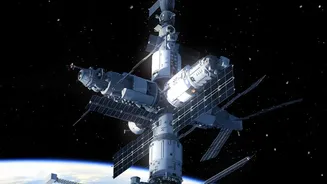
Merging a sensitive research facility with a tourist destination in a single, compact habitat presents immense design challenges. A key consideration is operational separation. How do you prevent vibrations from a tourist doing a zero-gravity flip from disturbing a delicate protein crystal growth experiment? The answer lies in modular design and intelligent architecture. Habitats are planned with distinct zones for labs, living quarters, and recreational areas. Starlab, for instance, has a multi-deck structure separating the internal payload laboratory from the crew habitation deck. Logistics must also cater to two different user groups. Professional astronauts require access to complex scientific hardware, while tourists need intuitive systems and more robust safety features. Even crew scheduling is a factor, with some designs accommodating a continuous crew of four, with capacity for up to eight during short-term tourist visits or crew handovers.
The Business of Building in Space
Ultimately, this hybrid model is driven by economics. Building and operating a space station is incredibly expensive. Relying solely on government research contracts is a precarious business. Space tourism provides a vital second revenue stream that can help close the business case. By selling seats to private individuals, national astronauts from non-ISS partner countries, and researchers, companies can create a more resilient financial foundation. Axiom Space has already demonstrated this model by flying several private missions to the ISS for around $55 million per seat, giving them operational experience while their own station modules are being built. This combination of public and private funding, serving both scientific and commercial markets, is seen as the only sustainable way to build a thriving economy in low-Earth orbit.