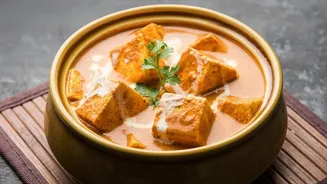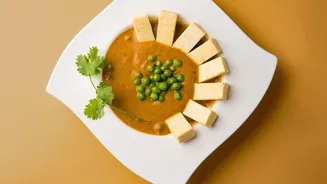

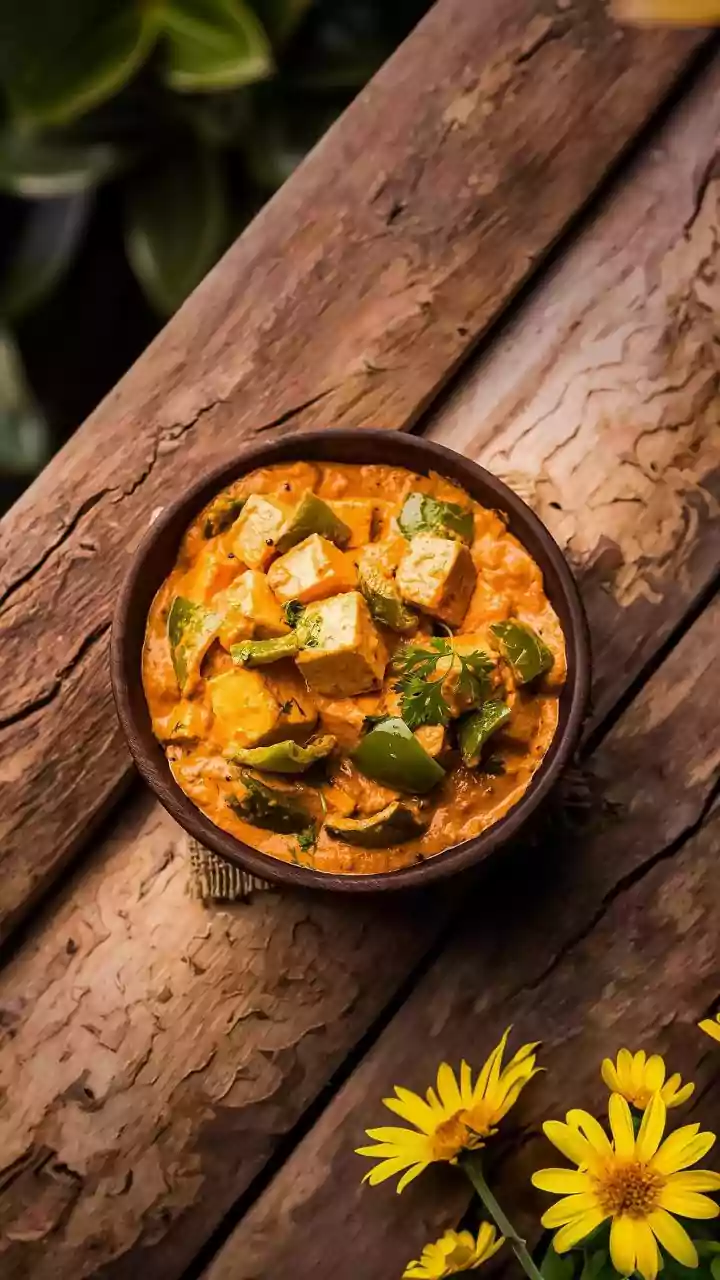



There's nothing more disappointing than tough, rubbery paneer in a creamy curry. This simple guide unlocks the restaurant secret to achieving perfectly soft, melt-in-your-mouth paneer cubes every single time using one basic ingredient: water.
The Common Paneer Problem
Whether you
buy it from a store or make it at home, paneer can be frustratingly inconsistent. One day it's soft and pillowy; the next, it’s a batch of chewy, dense cubes that refuse to absorb the flavours of your gravy. This textural issue is the most common complaint among home cooks. The primary reason for this is moisture loss. Paneer is a fresh cheese made of milk proteins (casein). When exposed to heat, especially high heat during frying or prolonged boiling in a curry, these proteins contract and squeeze out moisture. The more moisture that is lost, the tighter and more rubbery the paneer becomes. This is why even fresh, high-quality paneer can be ruined by a few small cooking mistakes.
The Science of a Simple Soak
The secret to reversing this process and ensuring a soft texture is rehydration. Soaking paneer in a warm water bath before cooking is a simple yet effective technique used in many restaurant kitchens. The warm water gently reintroduces moisture into the cheese. This loosens the tightly-bound protein structure, making the paneer incredibly soft and spongy. This process works for both store-bought and homemade paneer. Store-bought versions, which are often pressed harder to ensure a longer shelf life, benefit significantly from this rehydration step. Even freshly made paneer can be made even softer and more absorbent with a quick soak.
The Perfect Water Bath Method
Mastering this technique is incredibly simple and takes just a few minutes. It will fundamentally change how you prepare paneer for any dish, from a rich shahi paneer to a simple matar paneer. Follow these steps for perfect results:
1. Cut Your Paneer: Start by cutting your block of paneer into the desired size cubes or slices. Creating smaller pieces increases the surface area, allowing the water to penetrate more effectively.
2. Prepare the Water: Heat water in a bowl until it is warm to the touch, but not boiling. A temperature around 110°F is ideal, but you don't need a thermometer; 'comfortably warm' is a good guide. You can heat it in the microwave or on the stovetop.
3. Soak the Cubes: Submerge the paneer cubes completely in the warm water. Let them soak for 15 to 20 minutes. You will notice the paneer starting to soften and become more pliable. Some sources suggest adding a pinch of salt to the water, which can further help with moisture restoration.
4. Drain and Use: After soaking, gently drain the water. The paneer cubes are now perfectly soft, hydrated, and ready to be added to your dish. They will absorb the flavours of your curry much more effectively.
Essential Tips for Ultimate Softness
While the water bath is the hero technique, a few other habits can help you achieve consistently soft paneer. If you use frozen paneer, always thaw it by soaking it in warm water rather than leaving it at room temperature or using a microwave. When it comes to cooking, avoid common mistakes. If a recipe calls for fried paneer, pan-fry it lightly on a medium flame until just golden, not dark brown. Many cooks then soak these fried cubes in warm water for about 10 minutes to restore any moisture lost during frying. Finally, and most importantly, always add your paneer at the very end of the cooking process. Let it simmer gently in the gravy for just a few minutes; boiling it for an extended period will undo all your good work and make it tough again.