


An Overwhelming Welcome
From a pet’s point of view, a visitor is a significant event. A new person brings a wave of unfamiliar sights, sounds, and smells into their territory. For a dog or cat, their home is a predictable sanctuary, and a guest's arrival disrupts that routine.
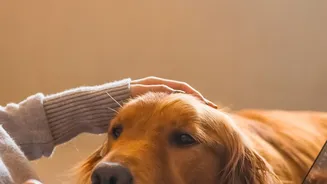
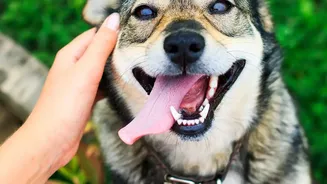
What we perceive as a friendly, direct approach—making eye contact, speaking in a high-pitched voice, and reaching out a hand—can be interpreted as threatening by an animal. A hand reaching over a dog's head can seem like a menacing gesture, while direct staring is a sign of aggression in the feline world. This well-intentioned enthusiasm can trigger a fight-or-flight response, leading to stress, fear, or even aggression. Forcing an interaction on an uncomfortable animal often backfires, creating a negative association with guests that can be difficult to undo.
The Power of Ignoring Them
Animal behaviourists often recommend a simple but counter-intuitive strategy for the first few minutes of a visit: no touch, no talk, no eye contact. This isn't about being rude; it's about showing respect in a language the animal understands. By ignoring the pet, you remove the social pressure to interact. This allows the animal to observe you from a distance, assess your scent, and decide on its own terms whether you are a friend or foe. Often, the guest who shows no interest is the one the cat or dog eventually approaches. This hands-off method gives the pet control over the situation, which is crucial for building trust. It signals that you are not a threat and allows them to become curious and approach when they feel secure.
How to Read Their Signals
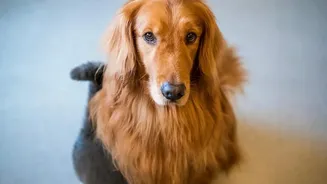
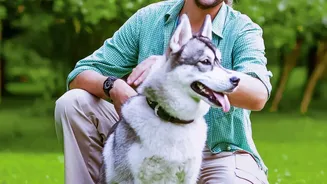
Once a pet feels comfortable, it will likely show signs of wanting to engage. It's important to know what to look for. For dogs, a relaxed body, soft eyes, a loose wagging tail, and an open mouth are positive indicators. In contrast, a stiff body, pinned-back ears, a tucked tail, lip licking, or yawning (when not tired) are all signs of stress. For cats, a slow blink is a sign of trust, often called a "kitty kiss." If a cat approaches with its tail held high, perhaps with a little question-mark curve at the tip, it's generally a friendly greeting. Conversely, flattened ears, a twitching tail, or hissing are clear warnings to back off. If a pet disengages and walks away, it is crucial to let it go.
Making a Proper Introduction
If a dog or cat decides to approach you, let them lead the interaction. The first step is usually sniffing; they are gathering information with their powerful sense of smell. For a cat, you can offer a still, extended index finger at their nose level. This mimics the nose-to-nose greeting cats use with each other and allows them to initiate contact. For a dog, it is best to avoid reaching over its head. Instead, let it sniff your hand and then offer a gentle scratch on the chest or under the chin. Always use calm movements and a quiet voice. By waiting for their consent, you make the interaction a positive experience, reinforcing that new people can be trusted.
The Host's Responsibility
While guests can do a lot to ensure a smooth meeting, the pet's owner plays the most vital role. It is the host's job to advocate for their animal. This includes coaching guests on how to interact—or not interact—with the pet. A simple heads-up message before a guest arrives can set clear expectations. Providing a safe, quiet space like a separate room or a crate where the pet can retreat if they feel overwhelmed is essential. For particularly anxious or excitable dogs, keeping them on a leash during the initial arrival can help manage the situation. Ultimately, the owner knows their pet best and should supervise interactions to ensure everyone, human and animal, feels safe and comfortable.