





The Science of Sanctuary
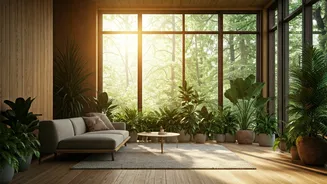
There’s a scientific reason why a sun-drenched room filled with plants feels better than a sterile, windowless box. It’s called biophilia—our innate tendency to connect with nature. This concept, popularised by biologist E.O. Wilson, suggests that our brains
are hardwired to find natural environments restorative. When we incorporate elements of the natural world into our homes, we are essentially giving our minds a constant, low-level signal to relax. Studies in environmental psychology show that exposure to natural materials, views of nature, and even patterns that mimic it can lower blood pressure, reduce stress hormones like cortisol, and improve our overall sense of well-being. Creating a 'natural home' is less about a specific aesthetic and more about tapping into this powerful, primal connection.
1. Let There Be Light
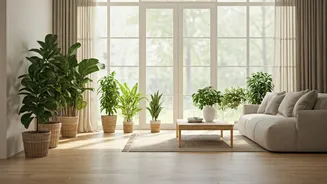
The single most impactful element you can introduce is natural light. It’s the pacemaker for our internal body clock, or circadian rhythm, which regulates sleep, mood, and energy levels. A home that allows for ample daylight feels more energetic, spacious, and alive. To maximise it, start by cleaning your windows—it can make a surprising difference. Swap heavy, dark curtains for sheer fabrics or blinds that allow you to control privacy without sacrificing light. If you have a room that’s naturally dark, strategically placed mirrors can help bounce light around, creating an illusion of brightness and depth. Arranging your furniture to take advantage of the best light, like placing a reading chair by a window, makes the experience intentional.
2. Bring the Outdoors In with Plants
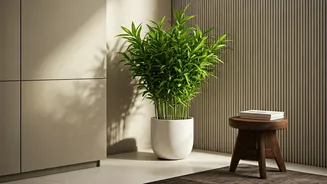
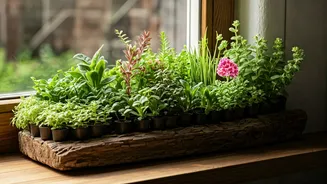
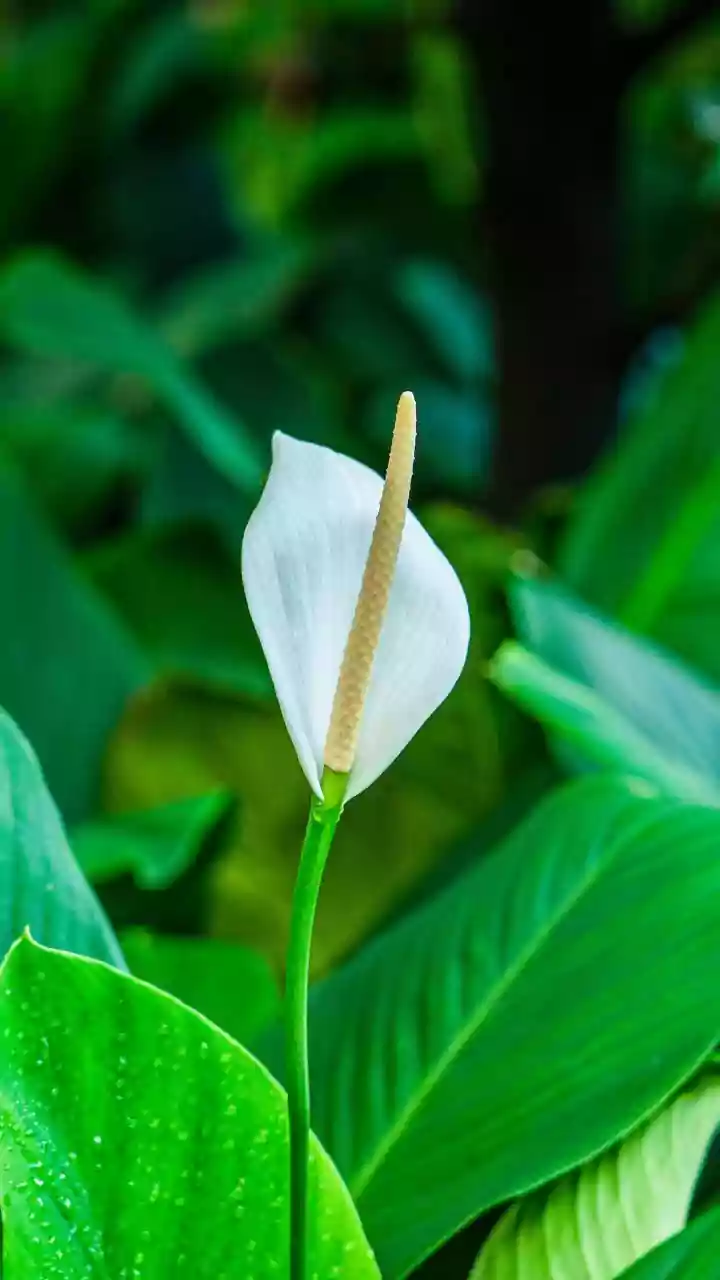
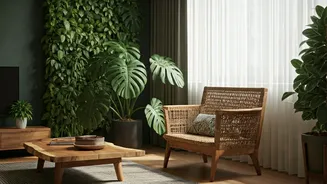
Houseplants are the most literal way to bring nature indoors. They are not just green décor; they are living, breathing additions to your home that can improve air quality and have a proven calming effect. The simple act of caring for a plant can be a meditative practice. You don't need a jungle to feel the benefits. Start small with a few low-maintenance options that thrive in Indian climates. Think snake plants, ZZ plants, or pothos, all of which are famously forgiving. Place them where you’ll see them often—on your desk, a bedside table, or a kitchen windowsill. The visual cue of living greenery is a constant, gentle reminder of the natural world.
3. Embrace Natural Materials and Textures
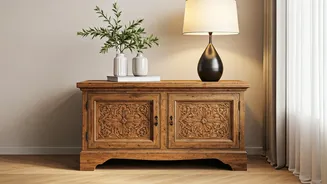
Modern life is full of sleek, cold surfaces like glass and metal. Counteract this by incorporating natural, tactile materials. Think of the warmth of a wooden dining table, the rustic feel of a jute rug underfoot, or the softness of linen and cotton textiles. These materials engage our sense of touch and have a visual warmth that synthetic materials often lack. You can introduce these elements in small doses: a set of woven placemats, a ceramic vase, a woollen throw blanket, or a stone coaster. The imperfections and unique grains in materials like wood and stone remind us of the organic, imperfect beauty of nature, creating a space that feels grounded and authentic rather than sterile and mass-produced.
4. Use a Natural Colour Palette
Colour has a profound impact on our mood, and a palette inspired by nature is inherently soothing. This doesn’t mean your home has to be all beige and brown. Think of the diverse colours found in a natural landscape: the soft greens of new leaves, the deep blues of the sea and sky, the earthy tones of clay and sand, and the warm greys of stone. These colours work well as a base for walls and large furniture pieces. You can then add pops of brighter, nature-inspired accent colours, like the yellow of a sunflower or the terracotta of a pot. This approach creates a cohesive and calming visual environment that feels harmonious and restful to the eye.
5. Mind the Sights and Sounds
A natural home also engages senses beyond sight and touch. Consider the sounds and scents of your space. Harsh, abrupt noises can be jarring, while the gentle burble of a small indoor water feature or the soft chime of a bamboo wind chime near an open window can be incredibly soothing. When it comes to scent, trade artificial air fresheners for natural alternatives. Diffuse essential oils like lavender, sandalwood, or eucalyptus for a calming atmosphere. Fresh flowers or a bowl of lemons on the counter can add a subtle, natural fragrance. Even something as simple as opening the windows to let in fresh air and the sounds of birdsong can instantly make your home feel more connected to the world outside, and in turn, more peaceful.