







From Transit Point to Destination
Jorhat has long been known as a functional stopover—the gateway to Upper Assam, Nagaland, or the ferry point for Majuli, the world's largest river island. Travellers would often pass through without a second thought. However, a significant shift is underway.
Recent trends show a massive spike in interest for the city, with one report noting a nearly 493% surge in online searches. This isn't just a random blip; it reflects a growing desire among Indian travellers to move beyond crowded tourist circuits and embrace slower, more authentic experiences. Jorhat, with its blend of colonial charm, rich history, and tranquil landscapes, is perfectly positioned to meet this demand, evolving from a mere gateway into a destination in its own right.
The Heart of India's Tea Country
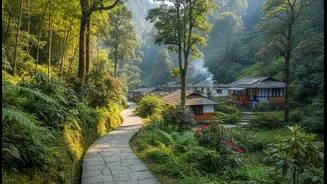
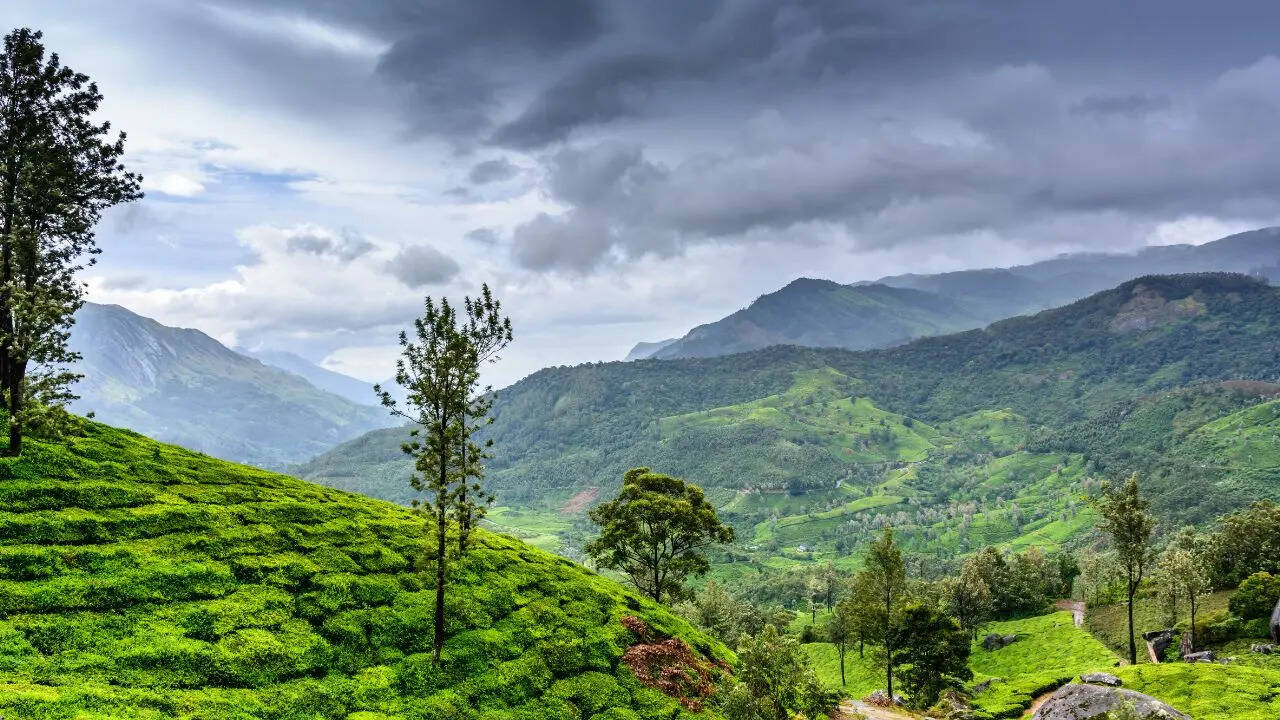
You can't talk about Jorhat without talking about tea. Known as the 'Tea Capital of India', the city is surrounded by more than 135 tea gardens, including Assam's very first, Cinnamora Tea Estate. This isn't just about scenic green landscapes; it's an immersive experience. A key driver of Jorhat's new-found appeal is the rise of tea tourism. Visitors can now stay in beautifully restored heritage tea bungalows, which were once the homes of British planters. These stays offer a unique window into the colonial past and the intricate process of tea production, from guided walks through the plantations to tasting sessions. The city is also home to the Tocklai Tea Research Institute, the world's oldest and largest facility of its kind, offering a deep dive into the science behind your morning cup.
A Deeper Dive into Ahom History
Beyond the tea gardens, Jorhat serves as a custodian of Assam's rich past. It was the last capital of the Ahom dynasty, which ruled for 600 years, and the city and its surroundings are dotted with historical treasures. Sites like the Raja Maidam, the burial mounds of Ahom kings, and Lachit Borphukan's Maidam, a memorial to the legendary Ahom general, offer a tangible connection to this powerful empire. The Jorhat Gymkhana Club, established in 1876, is one of the oldest golf courses in the world and a living remnant of the colonial era. By adding a day or two in Jorhat, travellers can infuse their itineraries with a strong dose of cultural and historical context that a shorter trip might miss.
Enhancing the Majuli Experience
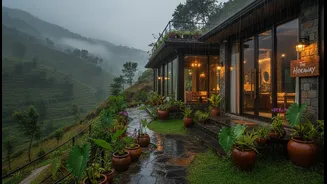
Jorhat's strategic location as the primary access point to Majuli Island has always been crucial. The island, a centre of Assamese Vaishnavite culture with its ancient monasteries (Satras), is a major draw. The rise of Jorhat as a comfortable and interesting base makes the Majuli excursion more appealing. Instead of a rushed day trip, visitors can now plan for a more relaxed exploration of the island. With better hotels and homestays emerging in Jorhat, including a new Lemon Tree Hotel signing which signals growing corporate interest, tourists can comfortably spend a night before and after their ferry journey. This allows for a more immersive experience on the island, exploring its unique mask-making traditions, tribal villages, and serene landscapes without feeling pressed for time.
Crafting a New Assam Itinerary
So what does this mean for the average traveller's plans? A typical Assam tour might have been a 4-day, 3-night whirlwind focused on Guwahati and a Kaziranga safari. The inclusion of Jorhat fundamentally changes this. A longer, more fulfilling 7 or 8-day itinerary now seems not only possible but preferable. Such a trip could start in Guwahati, move to Kaziranga for wildlife, and then dedicate at least three days to the Jorhat-Majuli circuit. This allows one day to explore Jorhat's tea estates and historical sites, a full day or two to properly experience Majuli's unique culture, and another day for a relaxed return. This slower pace allows for a more meaningful connection with the region, transforming a holiday from a checklist of sights into a genuinely restorative journey.