

What Exactly Is Jackfruit Seed Flour?
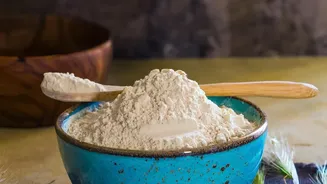
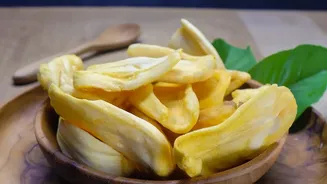
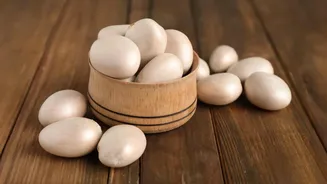
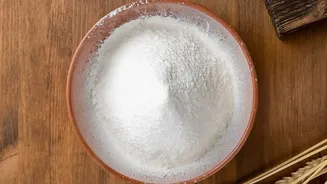
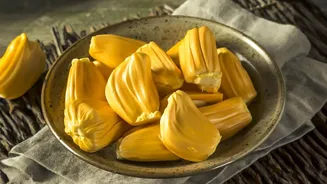
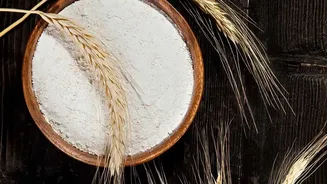
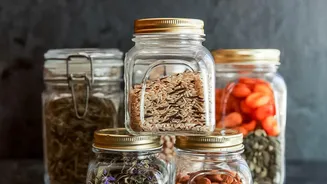
While many in India are familiar with the sweet, fleshy pods of jackfruit, the seeds are often overlooked and discarded. Jackfruit seed flour is made by collecting, cleaning, drying, and grinding these seeds into a fine powder. What was once considered
agricultural waste is now being recognised as a highly nutritious food source. This process transforms an underutilised byproduct into a versatile, gluten-free flour with a mild, nutty flavour that works well in both sweet and savoury dishes. It represents a smart and sustainable shift in how we think about food resources.
A Nutritional Powerhouse
One of the most compelling reasons to try jackfruit seed flour is its impressive nutritional profile. It is naturally rich in protein, dietary fibre, and complex carbohydrates, along with essential minerals like potassium and magnesium, and B vitamins like thiamine and riboflavin. Its protein content is notably higher than many common gluten-free flours, such as those made from rice or tapioca, making it an excellent choice for anyone looking to boost their plant-based protein intake. Furthermore, it contains resistant starch, which acts as a prebiotic to support healthy gut bacteria and aids in digestion. This combination of protein and fibre can also help promote satiety and stable energy levels.
The 'Upcycled' Advantage
The term 'upcycled' is key to understanding the environmental benefits of jackfruit seed flour. Jackfruit seeds account for a significant portion of the fruit's total weight and are typically thrown away during processing, contributing to food waste. By turning these seeds into a valuable food product, we are participating in a circular economy. This process of valorisation not only reduces waste but also creates a new, sustainable food stream from existing agricultural practices. Choosing upcycled products like jackfruit seed flour is a simple way for consumers to support a more sustainable food system.
Baking and Cooking Tips
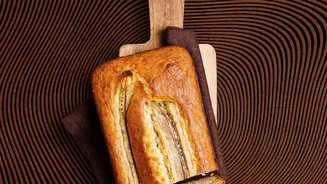
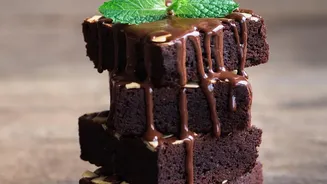
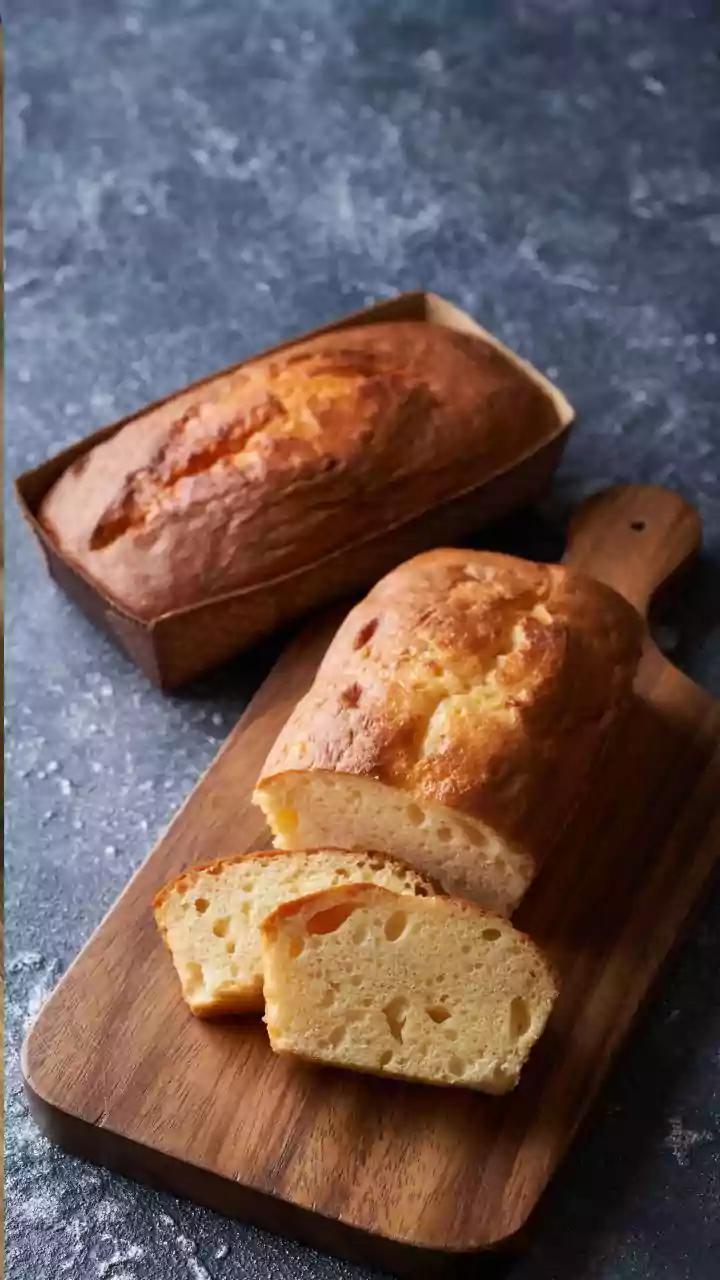
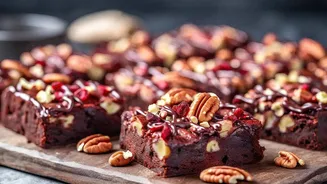
Integrating jackfruit seed flour into your kitchen is surprisingly easy. Its fine texture and good binding properties make it a great addition to gluten-free baking. Unlike some gluten-free flours that can be gritty, jackfruit seed flour has a smooth consistency and holds moisture well, resulting in less crumbly baked goods. It can be used to make everything from rotis and pooris to cakes, pancakes, and cookies. For those new to the flour, a good starting point is to substitute 15-25% of the regular flour in a recipe with jackfruit seed flour. Because it's gluten-free, the texture of the final product will be different, often denser, which works beautifully in things like brownies and flatbreads. It also serves as an excellent thickening agent for soups and gravies.
Flavour and Availability
Worried about an overpowering taste? Don't be. Jackfruit seed flour has a neutral, slightly nutty flavour that doesn't taste like the sweet fruit at all. This makes it highly versatile, as it won't clash with other ingredients in your recipes. As awareness grows, jackfruit seed flour is becoming more accessible. You can often find it in health food stores, online marketplaces, and from brands that specialise in natural and sustainable food products. As this eco-friendly ingredient gains popularity for its health benefits and versatility, it's becoming a pantry staple for health-conscious and environmentally-aware cooks across India.