



The Concrete Jungle's Fever
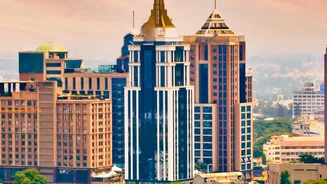
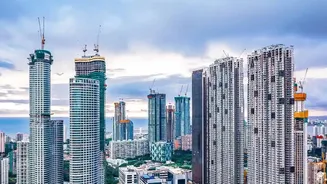
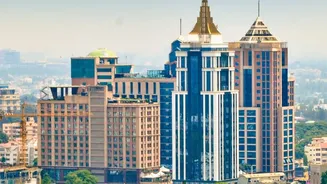
The core of the issue is a phenomenon known as the Urban Heat Island (UHI) effect. In simple terms, cities are becoming significantly warmer than their surrounding rural areas. This happens because natural landscapes like forests and fields are replaced
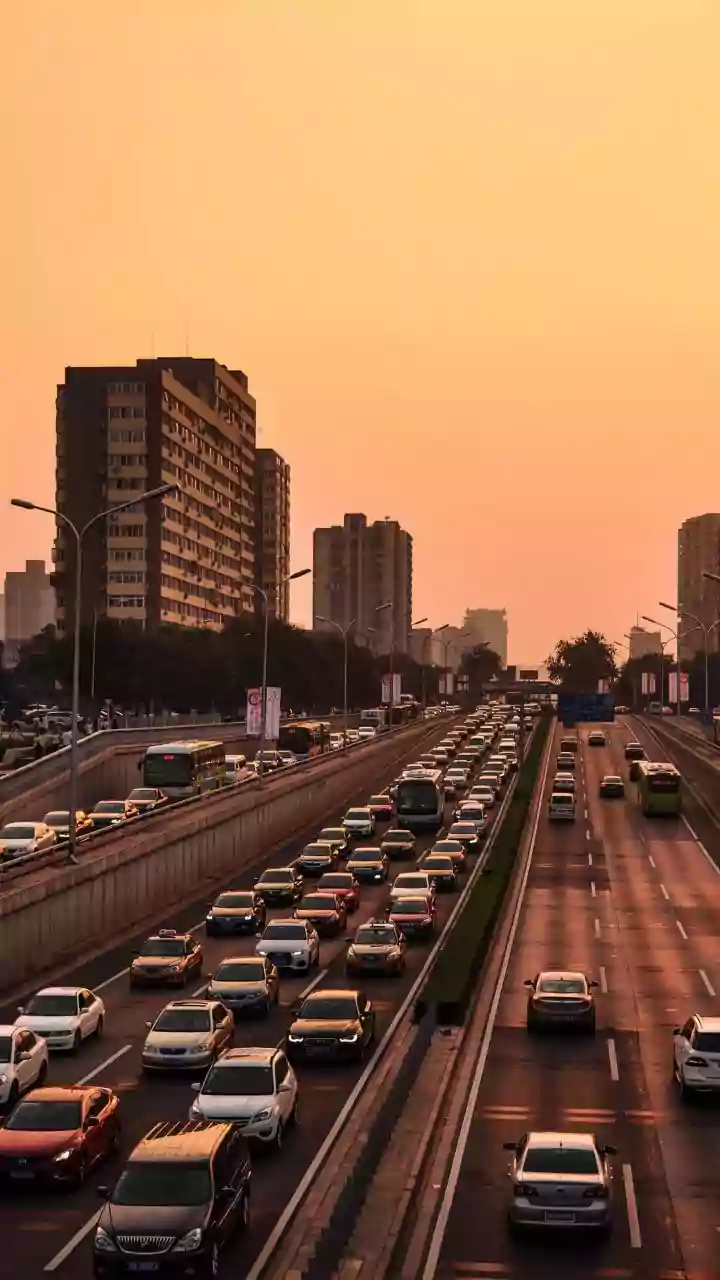
with concrete buildings, asphalt roads, and other man-made surfaces. These materials are excellent at absorbing and retaining the sun's heat during the day. While a patch of grass uses sunlight and water to cool its surroundings through evapotranspiration, a concrete pavement soaks up that energy and continues to radiate it long after sunset, creating a bubble of warmth that envelops the city.
When the Sun Goes Down, the Heat Stays
This effect is particularly problematic at night. In a natural environment, the ground cools rapidly after sunset, offering a reprieve from the day's heat. In a dense urban area, however, the accumulated heat from buildings and roads is slowly released back into the air. This process keeps nighttime temperatures artificially high, preventing the city from cooling down properly. The dense clustering of buildings can also trap heat and block cooling breezes, further exacerbating the problem. The result is a city that feels like it never truly gets a chance to breathe, with warm, stuffy nights becoming the new norm.
Your Brain on Heat
This persistent nighttime heat has a direct and detrimental effect on our health, specifically our ability to get restorative sleep. Our bodies are programmed to cool down slightly at night, a process that signals the brain it is time to sleep. When the ambient temperature is too high, this natural cooling process is disrupted. The body struggles to lower its core temperature, leading to increased wakefulness, tossing and turning, and a reduction in crucial sleep phases like deep sleep and REM sleep. Studies have shown that even a small increase in nighttime temperature can lead to significant sleep loss over time, with one study linking a 1°C rise to a loss of 5 to 14 minutes of sleep per night. This chronic sleep interruption can lead to fatigue, irritability, and a higher risk of health issues like cardiovascular and respiratory problems.
The Tier 2 Pressure Cooker
While the UHI effect is common to all cities, it presents a unique challenge for India's Tier 2 urban centres. These cities, such as Lucknow, Jaipur, and Bhubaneswar, are undergoing rapid and often unplanned expansion. Unlike larger metros, which may have established green zones or stricter building codes, many Tier 2 cities are sacrificing green cover and water bodies for quick development. A study across three Tier 2 cities found that informal settlements were on average 3.8°C hotter than formal areas, with 42% of residents reporting sleep disturbances due to night heat. Furthermore, access to cooling technologies like air conditioning is often limited for a large portion of the population, leaving them more vulnerable to the effects of rising night temperatures.
Reclaiming a Good Night's Sleep
Addressing this issue requires a two-pronged approach. At the city planning level, there is a growing call to 'mainstream heat resilience'. This involves strategies like increasing urban green cover by planting more trees, creating parks, and promoting green roofs. Using lighter-coloured, reflective materials for roofs and pavements can also help reflect sunlight and reduce heat absorption. For individuals, the solutions are more immediate: using breathable cotton sheets, ensuring good ventilation, staying hydrated, and taking a cool shower before bed can help mitigate the effects of a warm room. As our cities continue to grow, integrating these sustainable practices will be crucial to ensure they remain liveable and healthy.