
Beyond the Masala Chai
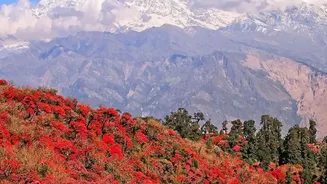
In the high-altitude regions of the Himalayas, tea is not just a beverage; it’s a source of warmth, energy, and cultural identity. The harsh climate and unique local flora have given rise to brews that are fundamentally different from the teas of the plains.
Here, the focus is often on preserving the pure character of the tea leaf or the botanical ingredients. Milk, a common addition in other parts of India to mellow out strong or bitter black teas, is often omitted. This allows the subtle, nuanced profiles shaped by the mountain terroir—the unique combination of soil, altitude, and climate—to come forward. The result is a range of beverages with clean, often savoury or floral notes that offer a direct taste of the landscape itself.
Gur Gur Cha: The Savoury Butter Tea of Ladakh
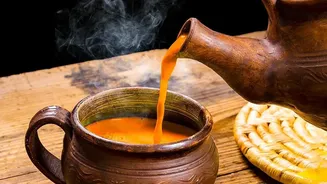
Perhaps the most famous Himalayan brew is 'Gur Gur Cha', or butter tea, a staple in Ladakh and Tibet. This is not your typical sweet tea; it's a rich, savoury, and warming concoction made by churning strong black tea leaves with yak butter and salt. The process creates a creamy, frothy liquid that has a thick texture and a comforting, brothy taste. For those living in the cold, arid climate, Gur Gur Cha is essential. The high-fat content from the butter provides much-needed calories and energy, while the salt helps the body stay hydrated at high altitudes. Served without sugar, its flavour is purely savoury and earthy, a true representation of a functional beverage that has become a symbol of hospitality.
Himalayan Green Tea: Pure and Vegetal
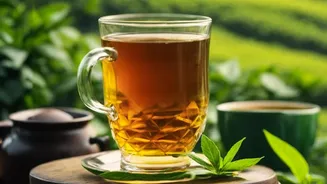
The Himalayan regions, from Nepal to Darjeeling, produce exceptional green teas that are best enjoyed without any additions. Grown at high altitudes, the tea plants grow slower, concentrating their flavours. These green teas are minimally processed to retain their natural character. A sip reveals smooth, vegetal, and sometimes floral or fruity notes, with a clean finish and zero bitterness. Unlike the bold black teas often used for chai, these delicate green brews would be completely overpowered by milk. Drinking them plain allows one to appreciate their complexity—a taste often described as grassy, refreshing, and even slightly sweet, reflecting the pristine mountain air and mineral-rich soil.
Sikkim Tea: Floral and Mellow
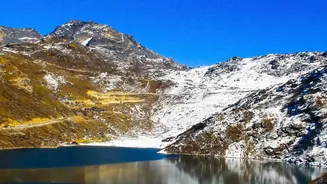
While Darjeeling tea is world-renowned, the teas from the neighbouring state of Sikkim are a hidden gem. The state's sole tea estate, Temi, produces organic teas celebrated for their unique flavour. Sikkim teas, particularly the first flush, are known for their light, floral aroma and a slightly sweet, mellow taste. They often have a fruit-forward character that is best appreciated in its pure form. Adding milk would mask these delicate notes. Connoisseurs prize Sikkim tea for its elegance and smooth finish, a sophisticated brew that stands in stark contrast to heavily spiced and sweetened preparations. Its clean profile is a testament to the region's pristine environment and careful, organic cultivation methods.