

Choose Pots with Excellent Drainage
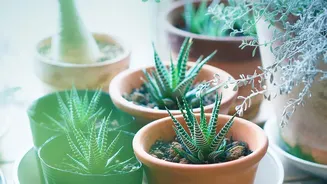
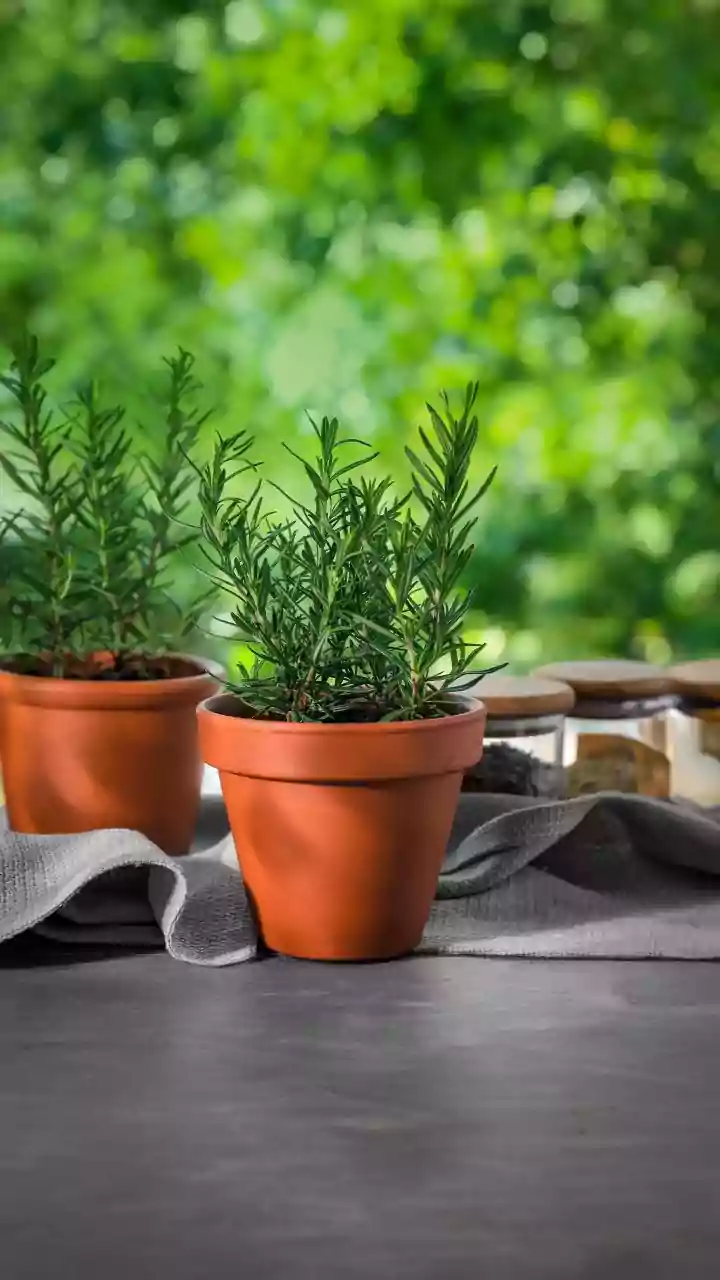
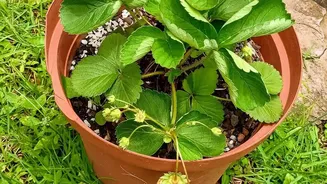
The single most important rule for monsoon gardening is to prevent waterlogging. Excess water suffocates roots, leading to rot. Choose terracotta or clay pots, which are porous and allow soil to breathe. If you use plastic pots, ensure they have multiple
drainage holes at the bottom. To further improve drainage, you can add a layer of gravel or broken pot pieces at the base before adding soil. Raising pots on bricks or pot feet also allows excess water to escape freely after a downpour.
Create a Lightweight, Airy Soil Mix
Heavy garden soil becomes compacted and waterlogged in the rain. For potted herbs, a well-aerated potting mix is essential. Create your own by blending equal parts garden soil, compost, and a material that improves drainage like coco peat or sand. A good recipe is two parts coco peat, one part perlite for aeration, and one part compost for nutrients. This type of mix holds enough moisture for the plants but allows the constant monsoon dampness to drain away, protecting the roots.
Watering: Less Is More
It seems counterintuitive, but overwatering is a major risk during the rainy season. The humid air and frequent showers mean the soil stays wet for longer. Always check the soil before watering. Poke your finger an inch deep; if the soil feels damp, hold off. Even on days it doesn't rain, the soil might retain enough moisture. Water only when the top layer feels dry to the touch. Both basil and mint dislike having constantly soggy roots, which is a primary cause of fungal diseases.
Protect Plants from Heavy Downpours
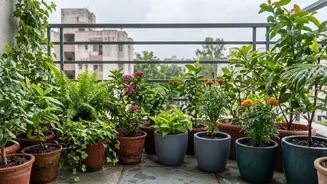
While gentle rain is beneficial, a heavy monsoon downpour can damage delicate leaves and stems and flood your pots. If your balcony is exposed, consider ways to shield your herbs. Grouping pots together can help reduce the impact. If possible, move the pots to a spot under an overhang or closer to the wall during intense spells. You can also use temporary covers like plastic sheets or garden nets to protect them from the worst of the weather.
Monsoon Care for Sweet Basil
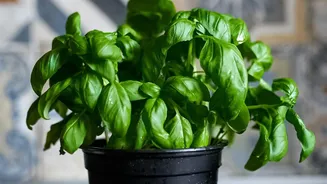
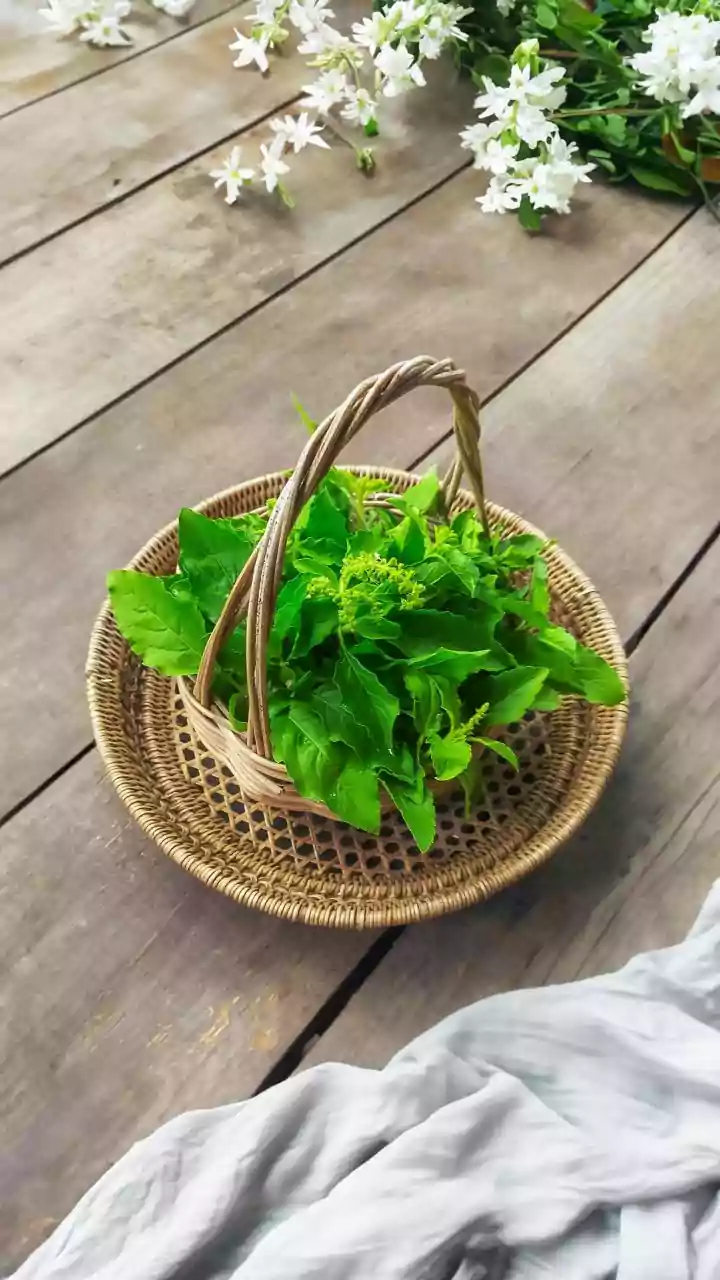
Basil loves warmth and sun but hates wet feet. Good drainage is non-negotiable for this herb. During the monsoon, basil is prone to fungal issues like downy mildew, which appears as yellowing on leaves with fuzzy grey growth underneath. To prevent this, ensure good air circulation around the plant by not overcrowding it. Prune regularly by pinching off the top sets of leaves to encourage bushier growth and remove any yellowing or spotted leaves immediately.
Monsoon Care for Mint
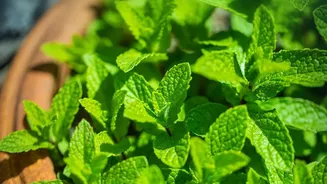
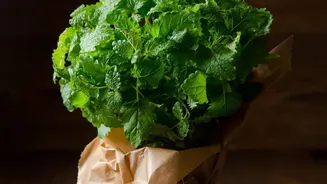
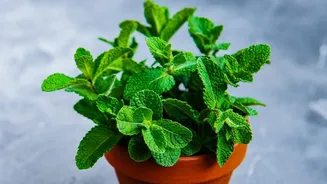
Mint is a hardy and forgiving herb that thrives in the monsoon's humidity. It is more tolerant of moisture than basil but can still suffer from root rot in waterlogged soil. Always grow mint in its own pot, as its runners spread aggressively and will quickly take over any container. Check for common monsoon diseases like mint rust, which appears as small, dusty orange or brown spots on the undersides of leaves. Improve air circulation by trimming the plant regularly, and always clear away any fallen leaves or debris from the pot's surface.