





The latest viral skincare hack flooding social media combines two powerhouse players: the de-puffing magic of ice and the anti-aging prowess of retinol. The promise is tempting, but does freezing this 'gold standard' ingredient actually work?
The Allure of the Frozen Hack
Scroll through
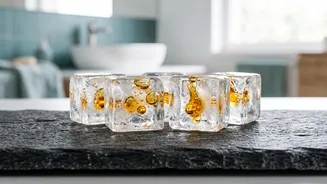
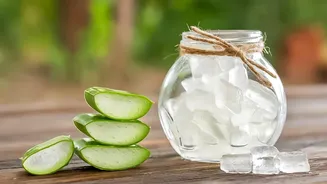
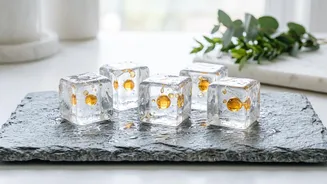
beauty reels and you will likely find someone enthusiastically rubbing a cloudy-looking ice cube over their face. This is the 'retinol ice cube', a DIY trend promising a two-for-one benefit. The idea is simple: mix your retinol serum with water, freeze it, and use the cube for a facial massage. Proponents claim the ice provides instant gratification by tightening pores and reducing puffiness, while the melting retinol delivers its famed long-term benefits of reducing fine lines and improving skin texture. It seems like a clever way to combine a soothing cryotherapy session with a potent active ingredient, but the science tells a very different story.
The Cold, Hard Truth About Retinol
Retinol is a notoriously unstable molecule. It is a vitamin A derivative that is highly sensitive to air, light, and temperature fluctuations. This is why reputable skincare brands invest heavily in specific formulations with stabilizing ingredients and protective, opaque packaging. Subjecting retinol to the extreme cold of a freezer can degrade the molecule, potentially rendering it ineffective before it even touches your skin. Furthermore, retinol is oil-soluble, not water-soluble. This means it doesn't mix with water; it separates. When you freeze this mixture, you are not creating a uniform, retinol-infused ice cube. Instead, you get mostly a plain ice cube with tiny, frozen, and likely degraded droplets of retinol unevenly distributed within it. This makes consistent application impossible.
When 'Cooling' Becomes Harmful
Beyond the ineffectiveness of the retinol, the practice of applying a DIY ice cube directly to your face has its own risks. While skin icing can temporarily constrict blood vessels to reduce puffiness and give a fleeting glow, dermatologists warn against direct, prolonged application. Holding an unprotected ice cube against your skin can lead to ice burns, frostbite, and irritation. For those with sensitive skin or conditions like rosacea, the extreme cold can exacerbate redness and even lead to broken capillaries—those tiny, spider-like veins that don't go away. The very trend that promises to calm and tighten skin could end up causing significant irritation and damage.
The Expert Verdict on This Hack
Skincare experts and dermatologists are united in their advice: skip this trend. The core issue is that it misunderstands the fundamental chemistry of the active ingredient. For retinol to work, it needs to be delivered to the skin in a stable, properly formulated vehicle that aids absorption. Freezing it in water achieves the opposite, degrading the ingredient and preventing it from being delivered effectively. As one dermatologist explains, the temporary vasoconstriction from the ice can actually hinder the absorption of any product applied simultaneously. The consensus is that this hack is not only a waste of a good (and often expensive) retinol product but also poses an unnecessary risk to your skin's health.
Smarter Ways to Get the Glow
The good news is that you can still reap the benefits of both skin icing and retinol—just not at the same time. For a safe icing experience, wrap an ice cube in a soft cloth or use a dedicated facial roller that has been chilled in the fridge, not the freezer. Glide it gently over your face for a minute or two to de–puff and refresh. Reserve your retinol for your nighttime routine. Apply a pea–sized amount of a well - formulated retinol serum or cream to clean, dry skin. Follow up with a good moisturizer to support your skin barrier and combat any potential dryness. And most importantly, use sunscreen every single morning, as retinol makes your skin more sensitive to the sun.