





The Air We Breathe
Air quality in India presents a paradox of persistent pollution and momentary relief. In early 2026, India ranked as the world's sixth most polluted country based on 2025 data, with dozens of its cities featuring on the global list of most polluted urban
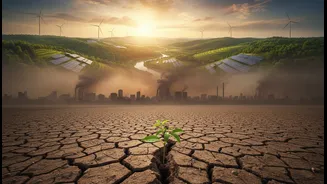
areas. Ghaziabad and Delhi, for instance, recorded 'Very Poor' and 'Severe' air quality days throughout January 2026. The primary culprits remain consistent: vehicular and industrial emissions, construction dust, and biomass burning. Compounding this is a significant data gap; reports indicate that around 85% of India's population lives outside the range of any real-time air quality monitor, meaning a vast number of people breathe unmeasured air. However, the monsoon can bring temporary respite. In early July 2026, continuous rains washed pollutants from the sky over the capital, giving Delhi its first 'Good' air quality day in nearly three years. This highlights the weather's role but underscores the lack of sustained, systemic improvement.
A Deepening Water Crisis
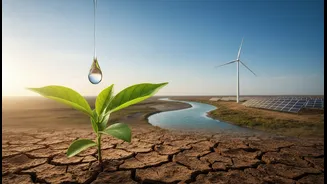
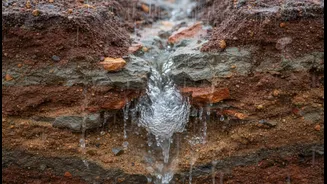
In 2026, India is grappling with a severe and multifaceted water crisis. By early July, water levels in the nation's 166 major reservoirs stood at just 26% of their total live storage capacity. This precarious situation is a direct consequence of a rainfall deficit in the 2025 monsoon, followed by a rainless winter and a prematurely hot spring that accelerated evaporation. The crisis is not just about quantity but also quality. Unplanned urbanisation and unregulated groundwater extraction have led to a state of “water bankruptcy” in many regions, where extraction outpaces natural replenishment. Major cities like Bengaluru, Delhi, and Hyderabad are projected to exhaust their groundwater resources in the coming years. Meanwhile, contamination of rivers and aquifers from untreated sewage remains a major health hazard, with less than 30% of urban wastewater being treated.
The Economic Cost of Climate Change
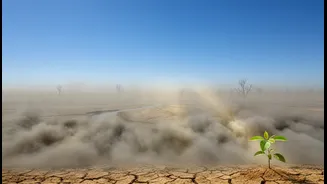
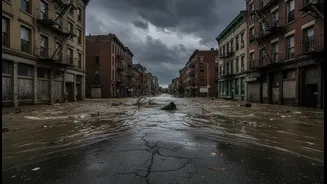
Climate change has shifted from a future threat to a present-day economic reality in India. The year 2025 was marked by extreme weather events—including heatwaves, cold waves, and floods—on 99% of its days, resulting in over 4,400 deaths and affecting 17.41 million hectares of crops. These events are no longer considered episodic; they are structural shocks affecting national productivity and inflation. Heat stress alone is estimated to be eroding India's GDP by 4 to 6 percent annually through lost working hours and reduced agricultural yields. The situation is being exacerbated by a potential Super El Niño in 2026, which threatens to suppress the vital southwest monsoon and intensify heatwaves, further straining water resources, agriculture, and energy demand.
Biodiversity Under Threat
As one of the world's 17 megadiverse countries, India's wealth of flora and fauna is globally significant. However, this biodiversity is facing an unprecedented crisis. More than 300 species are classified as endangered or critically endangered. The primary driver is habitat destruction and fragmentation, with development projects such as highways and railways cutting through critical wildlife corridors that are essential for the movement and genetic diversity of species. This encroachment is also fuelling a rise in human-wildlife conflict. With their habitats shrinking and prey base declining, animals like tigers and elephants are increasingly coming into contact with human settlements, often with tragic outcomes for both. Furthermore, invasive alien plant species like Lantana camara are overrunning forest undergrowth, displacing native plants and reducing food sources for herbivores.
The Challenge of Waste
India faces a colossal waste management challenge, generating approximately 160,000 tonnes of municipal solid waste every day. For decades, this waste ended up in overflowing landfills, creating massive public health and environmental hazards. However, there are signs of a systemic shift. Driven by government initiatives like the Swachh Bharat Mission, the country's waste processing rate has improved dramatically, reaching over 78% in early 2024. This has spurred a fast-growing waste management market, attracting investment in technologies for recycling, composting, and waste-to-energy plants. Despite this progress, significant gaps remain. More than 30,000 tonnes of waste still go unprocessed daily, and source segregation remains a challenge in many cities. The country also struggles with specific waste streams like e-waste and plastic waste, much of which is still handled by the informal sector under hazardous conditions.