



Why Eat Seasonal During Monsoon?
Eating vegetables that are in season is a core principle of traditional Indian food wisdom. During the monsoon (July to September), the body's digestive fire, or Agni, is considered weaker, making it important to eat meals that are fresh, light, and easy
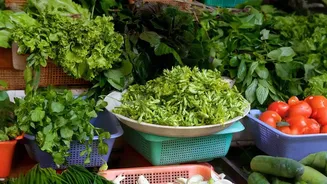
to digest. Seasonal produce is at its nutritional peak, offering more flavour and health benefits, often at a lower cost. Vegetables that thrive in the humid, wet conditions of the monsoon include gourds like lauki (bottle gourd) and karela (bitter gourd), as well as bhindi (okra), brinjal, and corn. These vegetables are traditionally consumed to support immunity and digestion when infections are more common.
Classic Bhindi Sabzi with Roti
Okra, or bhindi, is a monsoon favourite for a reason: it's quick to cook and holds its texture well, making it perfect for a tiffin box. A simple dry stir-fry with onions, tomatoes, and everyday spices like turmeric, coriander, and a pinch of amchur (dry mango powder) is both delicious and light. Turmeric is also known for its immunity-supporting properties, which are especially welcome during this season. To prevent it from becoming slimy, ensure the bhindi is completely dry before chopping and cooking it on a medium-high flame. Pack it in a container alongside a few soft rotis for a satisfying and mess-free lunch.
Comforting Lauki Kofta Curry
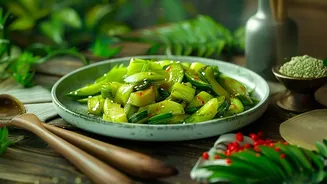
Bottle gourd, or lauki, is another vegetable that grows abundantly during the rainy season. While often considered bland, it can be transformed into a delectable dish. Lauki kofta curry is a perfect example. Grated bottle gourd is mixed with besan (gram flour) and spices, shaped into balls, and then lightly fried or air-fried before being added to a simple tomato-onion gravy. This warm, comforting curry pairs beautifully with steamed rice or jeera rice. When packing, it's best to keep the koftas and the gravy in separate containers if possible, combining them just before you eat to maintain the texture of the koftas.
One-Pot Mixed Vegetable Pulao
For those truly busy days, a one-pot meal is a lifesaver. A mixed vegetable pulao is not only quick to prepare but also a complete meal in itself. You can use a variety of monsoon vegetables like corn, beans, carrots, and peas. Simply sauté whole spices like cumin seeds, cloves, and a bay leaf, then add your chopped vegetables and washed rice. Cook until done, and you have a fragrant, nutritious lunch ready. It’s easy to pack, travels well, and can be enjoyed with a side of plain curd or a simple raita. For extra protein, you can add paneer cubes or chickpeas.
Vibrant Beetroot and Corn Salad
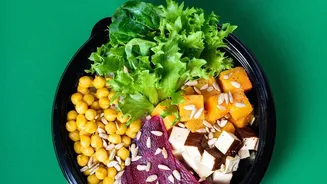
Contrary to popular belief, salads aren't just for summer. A warm or room-temperature salad can be a fantastic monsoon lunch. Beetroot is a winter vegetable that also grows well in some regions during the monsoon and is packed with nutrients. Combine boiled and diced beetroot with steamed sweet corn, chopped cucumber, and a handful of toasted peanuts for crunch. For the dressing, a simple mix of lemon juice, black salt, and roasted cumin powder works wonders. This vibrant salad is light, refreshing, and provides a much-needed energy boost to beat the afternoon slump.