






The Savvy Traveller’s Secret: Understanding Shoulder Season
In the world of travel, timing is everything. Most destinations have three distinct periods: peak season (when everyone travels), off-season (when few travel), and the sweet spot in between known as the shoulder season. This typically refers to the months
just before and after the busiest tourist rush, like spring and autumn in many parts of the world. For Europe, this often means April-May and September-October, while in India, it can be the months preceding and following the major holiday seasons or monsoons, such as February to April and September to November. Think of it as the moments when a destination has exhaled after the peak rush but is still buzzing with life. Attractions are open, the weather is often pleasant, and the entire atmosphere feels more relaxed and welcoming.
The Allure of Better Value
One of the most compelling reasons to travel during the shoulder season is the significant cost savings. With lower demand, airlines and hotels often reduce their prices to attract travellers. Studies have shown that airfares can be notably cheaper compared to peak season. These savings aren't just limited to flights and accommodation. Costs for car rentals, tours, and even some attractions can be lower. This allows your budget to stretch further, meaning you could afford an upgraded hotel, an extra-special meal, or simply a longer trip without breaking the bank. For many, this makes destinations that seem out of reach during peak times suddenly more accessible.
Enjoying the Luxury of ‘Easier Days’
Beyond the financial benefits, the shoulder season offers a more comfortable and authentic travel experience. Fewer tourists mean shorter queues at iconic landmarks, less crowded museums, and more space to yourself on scenic beaches. This translates into less time spent waiting and more time enjoying the actual destination. Imagine exploring Rome's Colosseum or the streets of Jaipur without being jostled by huge crowds. The pace is slower, allowing for more spontaneous and meaningful interactions. Restaurants are easier to get into, locals may have more time for a friendly chat, and the overall rhythm of your trip feels less frantic and more restorative.
Ideal Shoulder Season Destinations for Indian Travellers
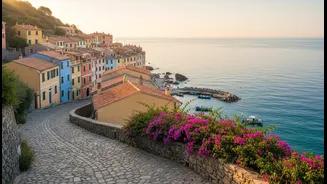
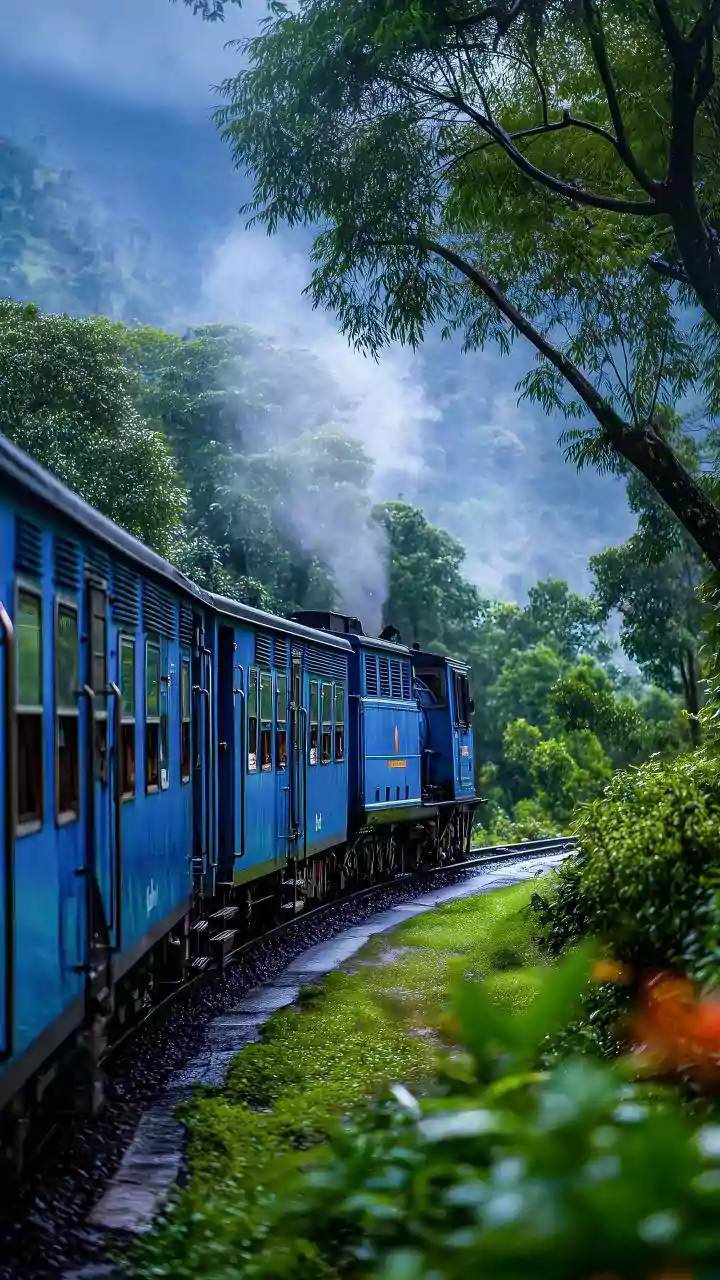
For those planning a trip from India, both domestic and international destinations offer fantastic shoulder season opportunities. In India, consider visiting hill stations like Darjeeling or spots in Sikkim from March to May before the monsoon arrives. The post-monsoon period from September to November is perfect for exploring places like Hampi in Karnataka or the backwaters of Kerala, when the landscape is lush and green. Internationally, Europe is a classic choice. A trip to Greece or Italy in May, June, or September allows you to enjoy beautiful weather without the scorching heat and peak summer crowds of July and August. Southeast Asian destinations like Bali and Thailand also have shoulder periods with great weather and fewer tourists, such as April-June for Bali.
How to Plan Your Shoulder Season Trip
Booking a shoulder season trip requires a bit of planning. First, identify the peak season for your desired destination and then look at the months directly before and after. While prices are lower, it's still wise to book flights and accommodation in advance to secure the best deals. One of the most important things to pack is layers. The weather during these transitional months can be unpredictable, with cooler mornings and warmer afternoons, so being able to add or remove clothing is key. Finally, remain flexible. While most attractions will be open, some may have slightly reduced hours compared to the peak season. Embracing this calmer pace is part of the charm of shoulder season travel.