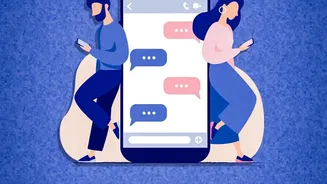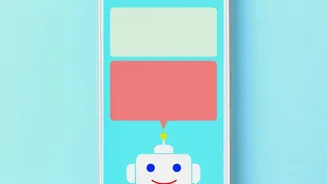




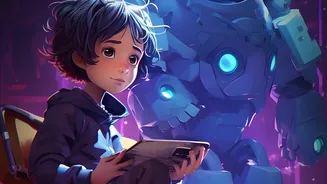
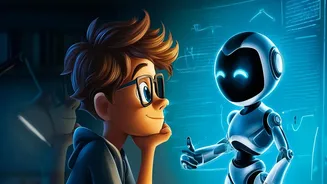
In bedrooms across the country, a new kind of conversation is happening. A teenager is sharing their deepest fears and anxieties, but the listener on the other end isn't a friend or family member—it's an AI. This is the new reality of digital companionship.
The Allure of an Always-On Friend
For many teenagers navigating the turbulent waters of adolescence, the appeal of an AI companion is undeniable. These digital confidants offer something human relationships often cannot: 24/7 availability and a complete absence of judgment. An AI friend doesn't have its own drama, won't gossip, and never gets tired of listening. For a teen struggling with peer pressure, social anxiety, or simply feeling misunderstood by a busy family, this can feel like a sanctuary. One 16-year-old user of a popular AI app noted that sometimes it's just easier to talk to something that is 'just… there for you'. This constant, unconditional support fills a void for connection in a world where everyone seems occupied with their own problems.
More Than Just a Chatbot
Today's AI companions are a far cry from the clunky chatbots of the early internet. Modern platforms use sophisticated machine learning to adapt to a user’s personality, memories, and communication style, creating a deeply personalized experience that can feel remarkably real. Some are designed explicitly for emotional support, while others incorporate exercises based on principles of Cognitive Behavioral Therapy (CBT), helping users reframe negative thoughts or practice social interactions in a low-stakes environment. This ability to learn and evolve fosters a strong sense of connection, making the AI feel less like a program and more like a genuine friend who truly 'gets' them. This personalization, however, is a double-edged sword, designed to maximize user engagement.
A Helpful Tool or a Dangerous Crutch?
Mental health professionals and sociologists are divided on the long-term impact of these relationships. Some experts see potential benefits, viewing AI as a supplementary tool that can help teens articulate their feelings or serve as a first step toward seeking professional help. However, many child psychologists voice serious concerns about the potential for AI to displace vital human connection. Sociologist Sherry Turkle, who has spent decades studying technology's effect on relationships, warns that real-world interactions teach us essential life skills like compromise, negotiation, and empathy—skills that are not developed when talking to an entity programmed to be perfectly agreeable. If a teenager consistently chooses the sanitized, predictable nature of an AI, they may struggle to build the resilience needed for the messy, beautiful complexity of human bonds.
The Unseen Risks: Privacy and Development
Beyond the social and developmental concerns, there are significant practical risks. These AI companions are, at their core, data-gathering entities. Every fear, secret, and personal detail a teenager shares is stored on a server, raising serious questions about data privacy, security, and the potential for manipulation. Who has access to this incredibly intimate information, and how might it be used? Furthermore, the concern remains that over-reliance on AI listeners could stunt the development of crucial social faculties. Real friendships involve navigating misunderstandings, celebrating shared joys, and offering support through difficult times. This reciprocal give-and-take is fundamental to emotional growth, something a programmed companion can simulate but never truly replicate.
What Should a Parent Do?
For parents learning about their teen's deep connection with an AI, the first instinct might be to panic and restrict access. However, experts suggest a different approach. The existence of an AI friend often signals a deeper, unmet need for connection. The key is to approach the topic with curiosity, not judgment. Ask open-ended questions about what they like about the app and what they talk about. This can open the door to wider conversations about loneliness, stress, and friendships. Rather than banning the technology, framing it as a 'sometimes' tool while encouraging and facilitating real-world social opportunities can help strike a healthier balance. The goal isn't to fight the technology, but to reinforce the irreplaceable value of human connection.