
Welcome to Sohra, The Land of Clouds
Known to the world for decades as Cherrapunji, the town has reclaimed its historic Khasi name, Sohra. While it may have passed the title of 'wettest place on Earth' to nearby Mawsynram, its reputation for rain is well-earned and is the very force that
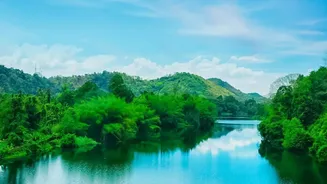
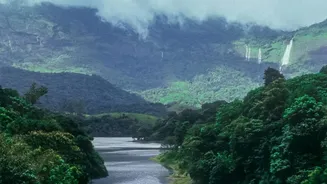
shapes its dramatic, lush landscape. The monsoon months transform Sohra into a spectacle of roaring waterfalls and rolling mist, offering a wild, untamed beauty. However, the post-monsoon period, from October to May, brings clearer skies, making it ideal for trekking and photography, with waterfalls still flowing gracefully.
Chasing Sohra's Magnificent Waterfalls
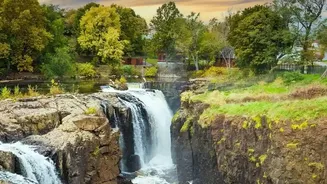
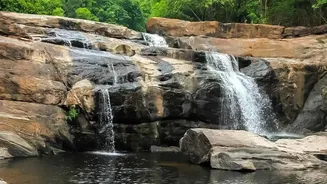
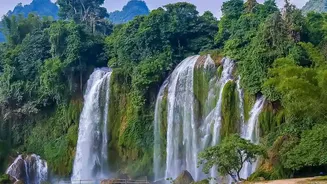
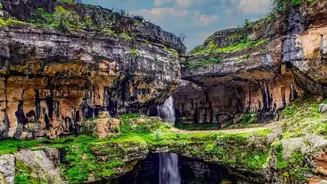
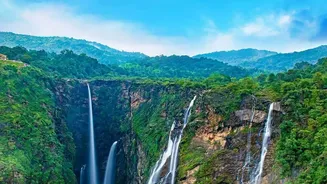
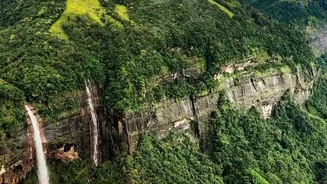
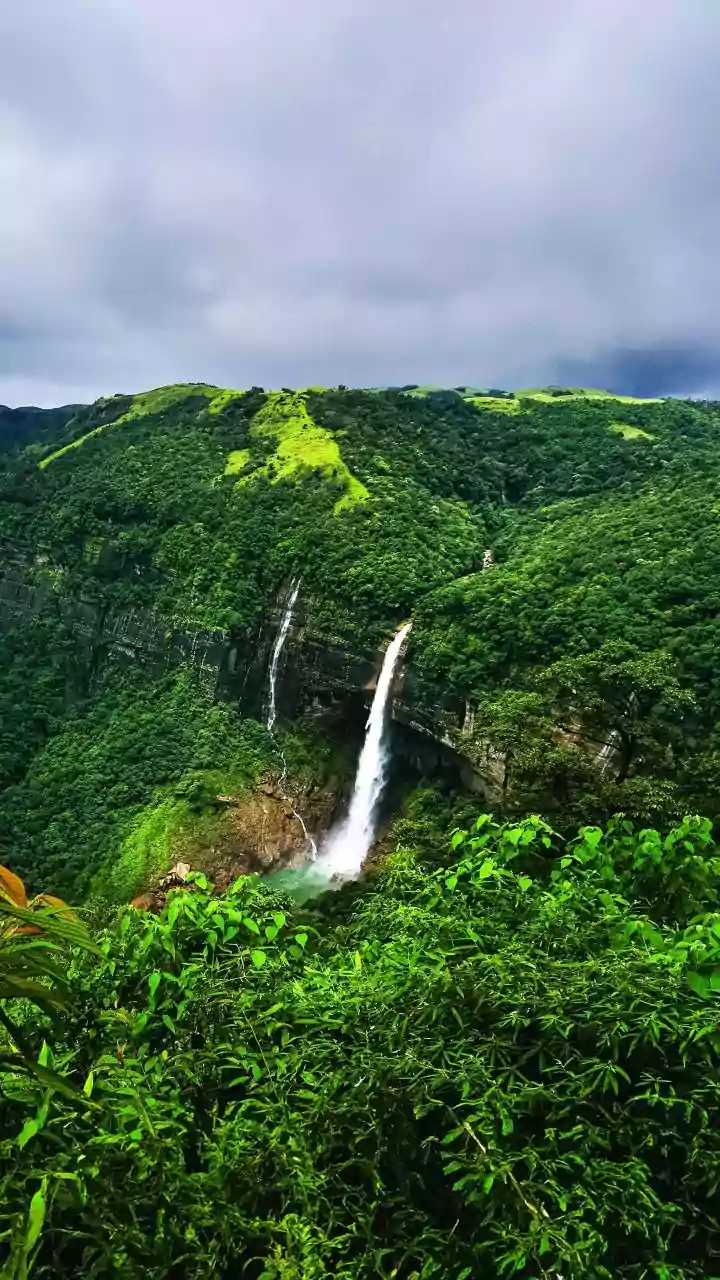
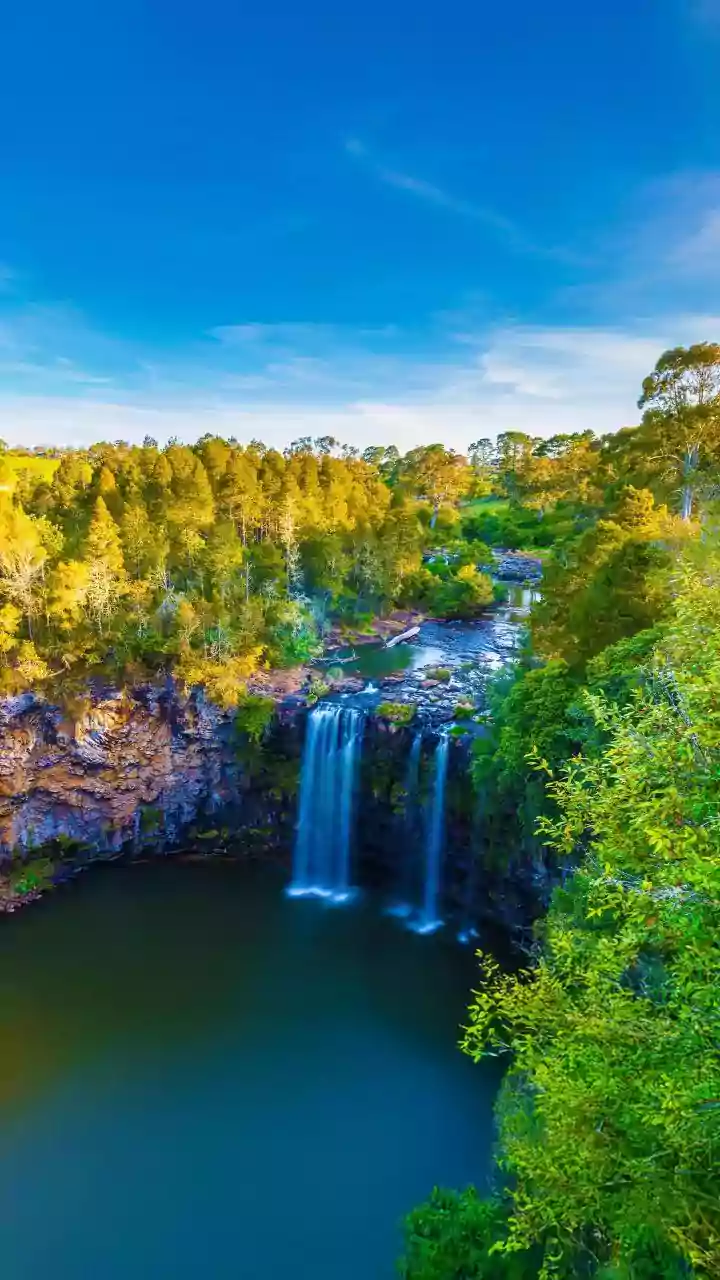
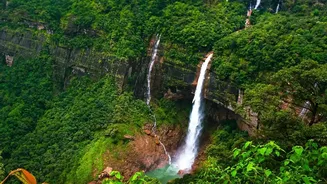
Sohra is a paradise for waterfall chasers. The most iconic is Nohkalikai Falls, India's tallest plunge waterfall, which cascades dramatically into a turquoise pool below. Then there's the Nohsngithiang Falls, famously known as the Seven Sisters Falls, where seven distinct streams tumble down limestone cliffs, creating a mesmerising sight, especially during monsoon. For a more offbeat experience, seek out Dainthlen Falls, tied to a local legend of a slain serpent, or the three-tiered Wei Sawdong falls, which require a bit of a trek but reward you with stunning, crowd-free views. Many waterfalls are seasonal and fed by rain, so their grandeur peaks between June and September.
The Living Root Bridges: Nature's Architecture
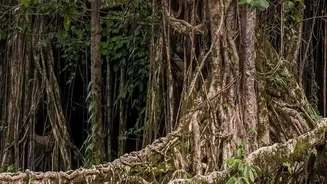
Deep in the dense tropical forests surrounding Sohra are some of the world's most incredible examples of bio-engineering: the living root bridges. For centuries, the local Khasi tribes have guided the aerial roots of the Ficus elastica (Indian rubber tree) across rivers, weaving them together to form sturdy, living structures. These bridges are a testament to a harmonious relationship with nature, getting stronger as they age. While there are several single-root bridges, the most famous is the Umshiang Double-Decker Root Bridge in Nongriat village, a two-level marvel that is truly a sight to behold.
The Epic Trek to Nongriat
Reaching the Double-Decker bridge is an adventure in itself. The journey begins from Tyrna village, a short drive from Sohra. From there, it's a steep descent of approximately 3,500 stone steps into the valley to reach Nongriat. The trek, which takes about 4-6 hours for a round trip, winds through lush forests, past small Khasi villages, and across swaying suspension bridges over crystal-clear streams. While challenging, the reward is immense. You can even take a dip in the natural pools near the bridge or trek further to the stunning Rainbow Falls. Many travellers recommend staying overnight in a Nongriat homestay to fully experience the magic and break up the strenuous climb back.
Beyond the Obvious: Caves and Culture
Sohra's wonders extend beyond its bridges and falls. The region is riddled with fascinating cave systems. Mawsmai Cave is the most accessible, with well-lit passages showcasing impressive stalactite and stalagmite formations. For a more adventurous caving experience, Arwah Cave offers a darker, more rugged trail where you can spot fossils embedded in the rock walls. To truly embrace the offbeat path, visit Thangkharang Park for panoramic views of the Bangladesh plains, or discover lesser-known root bridges like the Umkar Root Bridge. Don't forget to indulge in the local Khasi cuisine at a homestay or small eatery for an authentic taste of Meghalaya.
Your Sohra Planning Guide
To reach Sohra, the best route is to fly to Shillong or, for better connectivity, Guwahati. From there, it's a scenic 2-3 hour drive by taxi to Sohra. The best time to visit depends on your preference: June to September for thunderous waterfalls and misty landscapes, and October to February for clear skies and comfortable trekking. Pack light but include good trekking shoes with a strong grip, a rain jacket regardless of the season, and a basic first-aid kit. While guides aren't always compulsory, hiring a local guide for treks can enhance your safety and provide invaluable insight into the region's culture and hidden gems.