


The Power of Pulses
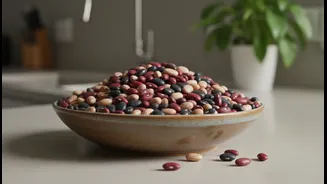
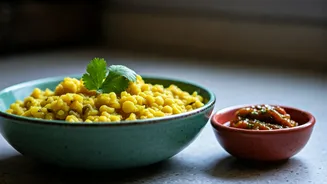
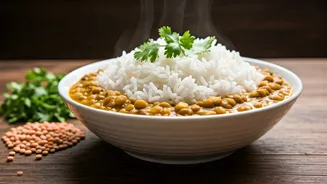
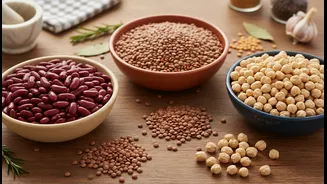
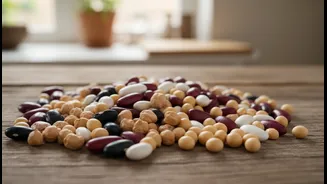
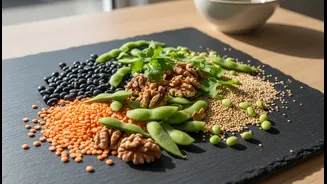
Legumes, a food group that includes beans, lentils (dals), and chickpeas (chana), are cornerstones of Indian cuisine. These humble ingredients are nutritional powerhouses, packed with plant-based protein, dietary fibre, and essential minerals. Studies
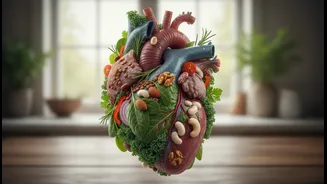
have consistently shown that diets rich in pulses are linked to better cardiovascular health. The magic lies in their unique composition. The high fibre content helps manage cholesterol levels, while the protein keeps you feeling full and satisfied, which can aid in weight management—another key factor for a healthy heart. More importantly, they are a fantastic source of minerals that directly impact blood pressure.
How Beans and Chana Help Blood Pressure
So, how exactly do foods like rajma, chana, and other beans help your blood pressure? The secret is largely in their mineral content, specifically potassium and magnesium. Potassium is crucial because it helps your body balance sodium levels; a higher potassium intake can help excrete excess sodium, which is a known contributor to hypertension. Many of us consume too much salt and not enough potassium, creating an imbalance that strains our blood vessels. Magnesium, on the other hand, helps relax the blood vessels, allowing blood to flow more easily and reducing pressure on artery walls. Research indicates that regular consumption of legumes is associated with a significantly lower risk of developing high blood pressure. One large analysis found that people with the highest intake of legumes were 16% less likely to develop hypertension.
A Special Spotlight on Soy
Soy products, including tofu, soy milk, and edamame, also show promising benefits for blood pressure management. Several studies suggest that soy protein can lead to a modest but significant reduction in both systolic and diastolic blood pressure, especially in people who already have hypertension. One meta-analysis found that consuming soy foods was associated with a 19% lower risk of developing high blood pressure. The benefits are thought to come from a combination of its high-quality protein, minerals, and unique compounds called isoflavones, which may help improve blood vessel function. For those looking for plant-based alternatives, incorporating tofu in place of paneer or using soy milk can be an easy and effective dietary switch.
Making It Part of Your Plate
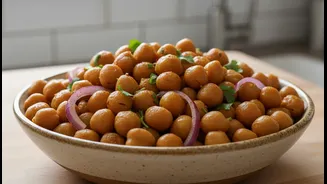
The good news is that these foods are already a familiar part of Indian diets. The goal is to be more intentional about including them. Aiming for about one cup of cooked legumes, such as beans or chickpeas, per day has been linked to the greatest reduction in hypertension risk. For soy, the optimal amount appears to be around 60 to 80 grams daily. This could mean having a bowl of dal with lunch, snacking on roasted chana, adding boiled rajma to a salad, or cooking a tofu-based sabzi for dinner. When using canned beans, it's a good idea to rinse them thoroughly to remove excess sodium. The key is consistency and making these foods a regular feature of your meals, rather than an occasional addition.
A Balanced and Holistic Approach
It's important to remember that no single food is a magic bullet. Adding beans, chana, and soy to your diet is a powerful step, but it works best as part of an overall healthy lifestyle. This includes maintaining a balanced diet rich in fruits, vegetables, and whole grains, while reducing the intake of processed foods, excess salt, and unhealthy fats. Regular physical activity, managing stress, and avoiding smoking are equally critical components of maintaining healthy blood pressure. Think of these dietary changes not as a restriction, but as a delicious and empowering way to take control of your heart health using foods that are affordable, versatile, and deeply rooted in our culinary heritage.