


Your First Celestial Targets
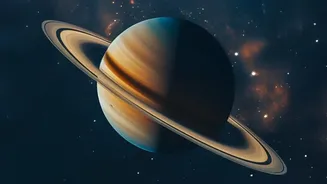
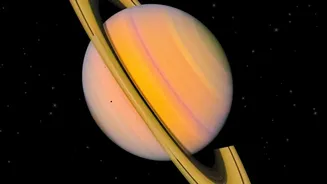
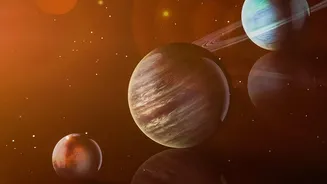
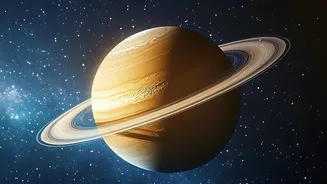
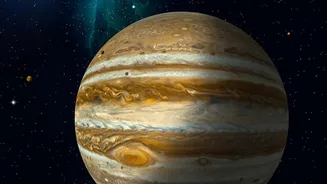
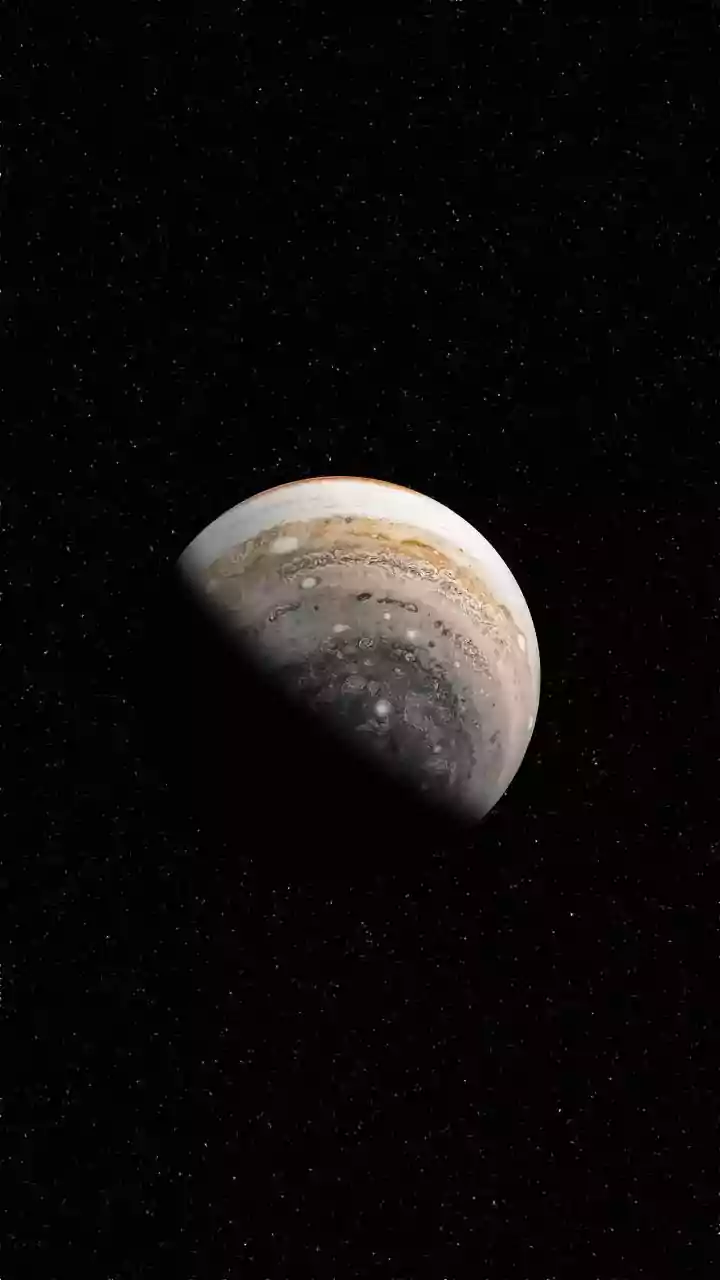
Before diving into the apps, it helps to know why Jupiter, Saturn, and the International Space Station (ISS) are such fantastic targets for beginners. Jupiter and Saturn are the two largest planets in our solar system and are often among the brightest
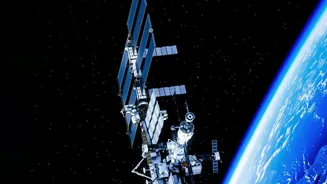
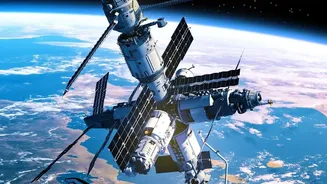
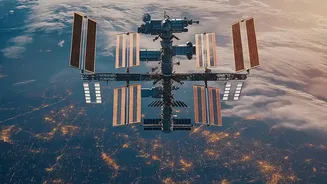
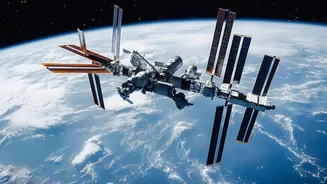
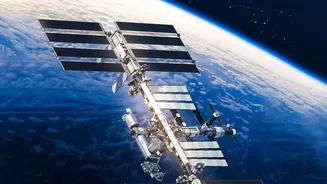
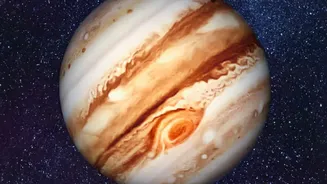
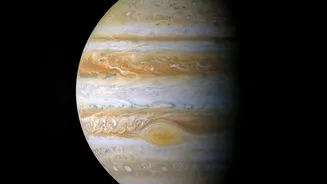
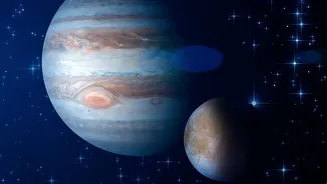
objects in the night sky, making them relatively easy to find. Saturn is famous for its stunning rings, which can sometimes be glimpsed even with modest binoculars. Jupiter is a dynamic world with its own mini-system of moons and a famous Great Red Spot. In late August 2026, Saturn is well-positioned for viewing, rising a couple of hours after sunset, while Jupiter is a pre-dawn target, sitting low on the horizon. The ISS, a football-field-sized laboratory orbiting Earth, is a different kind of thrill. It appears as a very bright, steady light moving silently and swiftly across the sky. Spotting it is a powerful reminder of human presence in space.
For All-in-One Simplicity: SkyView Lite
If you want an app that just works by pointing your phone at the sky, SkyView Lite is a top choice. It uses your phone's camera and sensors to create an augmented reality (AR) view of the sky. As you move your phone, the app overlays information directly onto your screen, identifying stars, constellations, planets, and satellites. To find Saturn, simply type its name into the search function and follow the arrow on your screen. The app is praised for being intuitive and not overwhelming beginners with too much data. It’s perfect for getting quick answers and learning the major constellations surrounding your target. You can set reminders for celestial events, and it even works during the day to show you where objects are in the sky.
For the Aspiring Astronomer: Stellarium Mobile
Stellarium is a powerful planetarium that has been a favourite on desktop computers for years, and its mobile version is just as impressive. It provides a highly realistic simulation of the night sky from any location and time. While SkyView is great for quick identification, Stellarium excels at planning. You can see an accurate map of where Jupiter will be just before sunrise or check the exact path the ISS will take across your sky later tonight. The free version contains a huge catalogue of stars, planets, and satellites. Its interface is clean and allows you to zoom in on planets, see their moons, and get detailed information. An in-app purchase unlocks even more features, like controlling a telescope, but the free version is more than enough for any beginner.
For Dedicated ISS Tracking: Spot The Station
While most stargazing apps can track the ISS, NASA has an official, dedicated app called Spot The Station that makes it incredibly easy. Available for free on iOS and Android, the app's primary function is to provide you with precise viewing opportunities based on your exact location. You can sign up for notifications that will alert you minutes before the station is about to fly over. This removes all the guesswork. The app also includes an augmented reality compass that shows you exactly where to look in the sky. Beyond just tracking, the NASA app provides news, images, and other resources about the space station, making it a comprehensive tool for anyone fascinated by this orbiting outpost.
A Few Quick Tips for Better Viewing
Once you have your app, a few simple tricks can improve your experience. First, try to get away from bright city lights, as light pollution washes out all but the brightest objects. Find a spot with a clear view of the horizon, especially if you're trying to spot planets like Jupiter that may be rising or setting. Second, give your eyes time to adjust to the darkness. It takes about 15-20 minutes for your eyes to become fully dark-adapted. Many apps, including Stellarium, have a "night mode" that turns the screen red to help preserve your night vision. Finally, remember that patience is key. The universe has been there for a long time; it will wait for you.