


Rethink the Kofta Itself
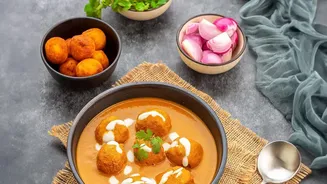
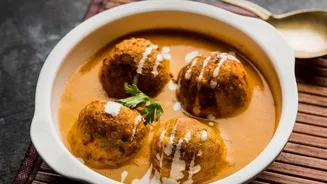
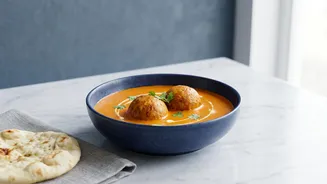
The journey to a lighter malai kofta begins with the dumplings. Traditionally, koftas are made from paneer and potato, then deep-fried. This process, while delicious, absorbs a significant amount of oil. The simplest and most effective change you can make
is to bake or air-fry the koftas instead. Arrange them on a tray, brush lightly with oil, and bake at 180°C until golden brown. An air fryer can achieve a similar crispiness with even less oil. This one swap can reduce the fat content considerably without sacrificing the delicate texture. You can also adjust the kofta's composition by using low-fat paneer made from toned milk or even substituting some of it with protein-rich tofu. Some recipes also suggest incorporating finely grated vegetables like carrots or zucchini to add fibre and nutrients.
Mastering a Lighter Gravy Base
The gravy is where the 'malai' (cream) magic happens, but it's also where heaviness can creep in. A classic gravy starts with a base of onions, tomatoes, ginger, and garlic. While some recipes call for frying this base in a lot of oil or ghee, you can achieve a flavourful foundation with much less. Start by sautéing your aromatics in just a tablespoon of oil until the onions are soft. You can even add a splash of water if things start to stick, which helps steam the ingredients without adding fat. The goal is to cook the onions until their raw smell disappears, creating a sweet, flavourful canvas for your spices.
The Secret to Creaminess Without Cream
The word 'malai' means cream, but you don't have to rely solely on heavy cream for that luxurious texture. Soaked and blended cashews are a fantastic substitute. When ground into a fine paste with a little water or milk, cashews create a silky, rich consistency that mimics cream beautifully. You can also use almonds or even walnuts for a similar effect. Another excellent alternative is using low-fat Greek yogurt to add thickness and a subtle tang. Some modern recipes even use evaporated milk or whole milk instead of heavy cream, which provides creaminess with a lower fat content. Start with a smaller amount of these substitutes and add more until you reach your desired richness.
Smart Thickening Agents
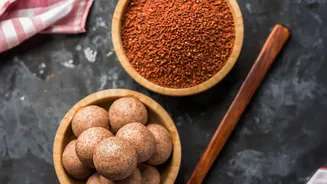
Beyond cream alternatives, other ingredients can help thicken your gravy naturally. A well-prepared onion and tomato puree forms a robust base. Blending this mixture until it's completely smooth is key to a velvety final product. Some chefs also use poppy seeds (khus khus), which are soaked and ground with cashews to add body and a unique, nutty flavour. For a nut-free option, pumpkin seeds or a small amount of gram flour (besan) mixed with water can also serve as effective thickeners. The trick is to create layers of texture through these different components, so no single high-fat ingredient is doing all the work.
Let Your Spices Do the Heavy Lifting
Finally, don’t underestimate the power of well-balanced spices. Aromatic whole spices like cardamom, cloves, and cinnamon, along with ground spices like coriander and turmeric, create a depth of flavour that can make a dish taste richer than it is. Toasting your spices in the pan for about 30 seconds until they become fragrant—a process called 'blooming'—unlocks their essential oils and enhances their flavour. This ensures the gravy is complex and satisfying, reducing the need to compensate with excess fat or cream. A final sprinkle of garam masala and kasoori methi (dried fenugreek leaves) towards the end of cooking adds that quintessential restaurant-style aroma and taste.