






The Smart System for a Waste-Free Kitchen
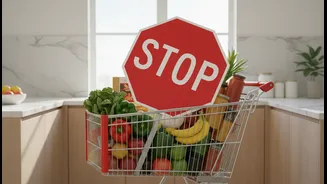
Every year, households in India contribute to over 78 million tonnes of food waste, a staggering figure considering the resources and money that go down the drain. Much of this waste happens unintentionally, when newly bought items are pushed to the front,
hiding older products until they expire. The solution comes from professional kitchens: a method called 'First In, First Out', or FIFO. The principle is simple: use the oldest items before the new ones. An arrival check is how you bring this professional-grade efficiency into your own home. It’s a moment you take after a grocery run to intentionally organise your items, ensuring nothing gets lost in the shuffle. By making older food more visible and accessible, you naturally use it up first.
Your Step-by-Step Grocery Arrival Routine
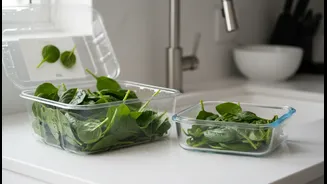
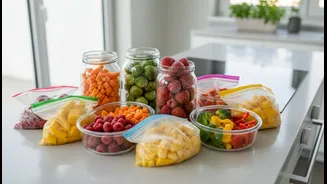
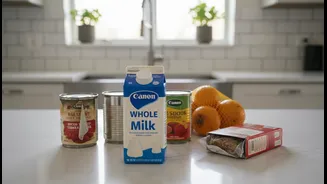
Turning this concept into a habit takes just a few minutes after each shopping trip. First, unpack everything onto your counter. This gives you a full view of what you've bought. As you unpack, bring older items from your fridge and pantry to the front. For example, if you bought a new carton of yogurt, place it behind the one you already have. This rotation is the core of the FIFO method. Next, group similar items together. Put all the dairy in one spot, vegetables in another, and canned goods together. This isn't just about neatness; it helps you see your inventory at a glance, making meal planning easier. Using clear, see-through containers can further enhance visibility, preventing items from being forgotten in opaque packaging.
Organize Your Fridge and Pantry for Success
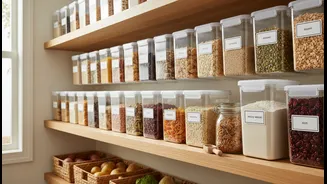
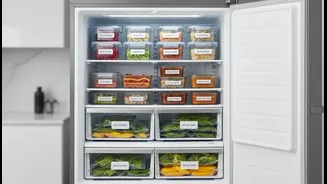
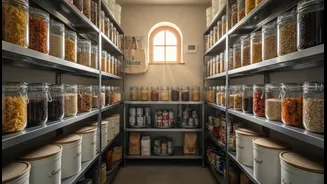
To make your new system stick, designate specific zones within your fridge and pantry. Create an “eat first” box or shelf at eye level for items that are nearing their use-by date, like leftovers or opened packages. This visual cue reminds everyone in the family what to reach for first. The refrigerator door is its warmest spot, so it's best for condiments, while colder lower shelves are ideal for meat and dairy. In the pantry, arrange cans and jars with the oldest dates at the front. You can use a marker to write the purchase date on boxes or create a simple inventory list on a whiteboard inside the pantry door to keep track of what you have.
Beyond the Check: Making It a Lasting Habit
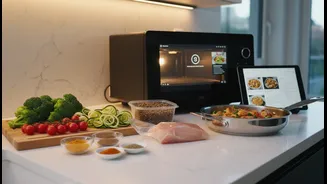
The arrival check is the foundation, but a few supporting habits can lock in the benefits. Before you even go shopping, do a quick inventory of your kitchen to see what you already have. This prevents you from buying duplicates and helps you build a shopping list based on what you actually need. Plan one or two meals each week specifically around using up leftovers or ingredients from your “eat first” zone. Leftover roasted vegetables can be tossed into a salad or frittata, while extra rice can become the base for fried rice. These small actions transform leftover ingredients from a problem into a creative opportunity, ensuring the food you buy nourishes your family instead of ending up in the bin.