
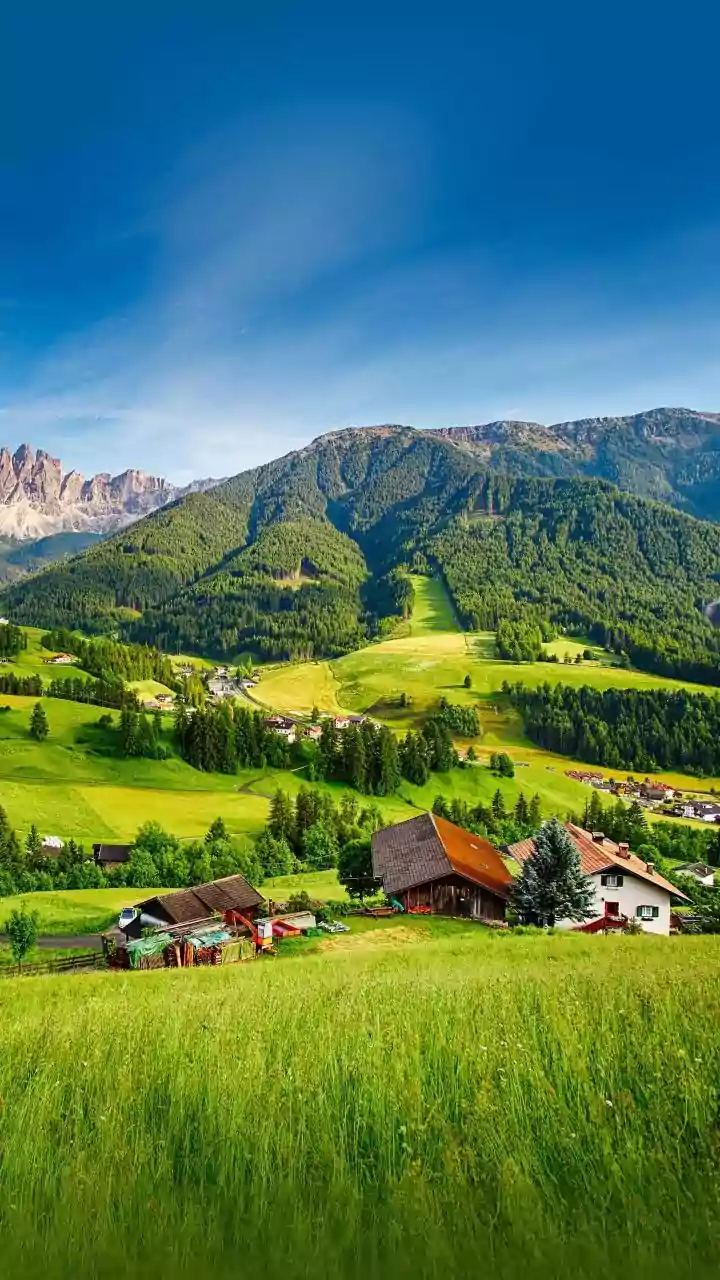
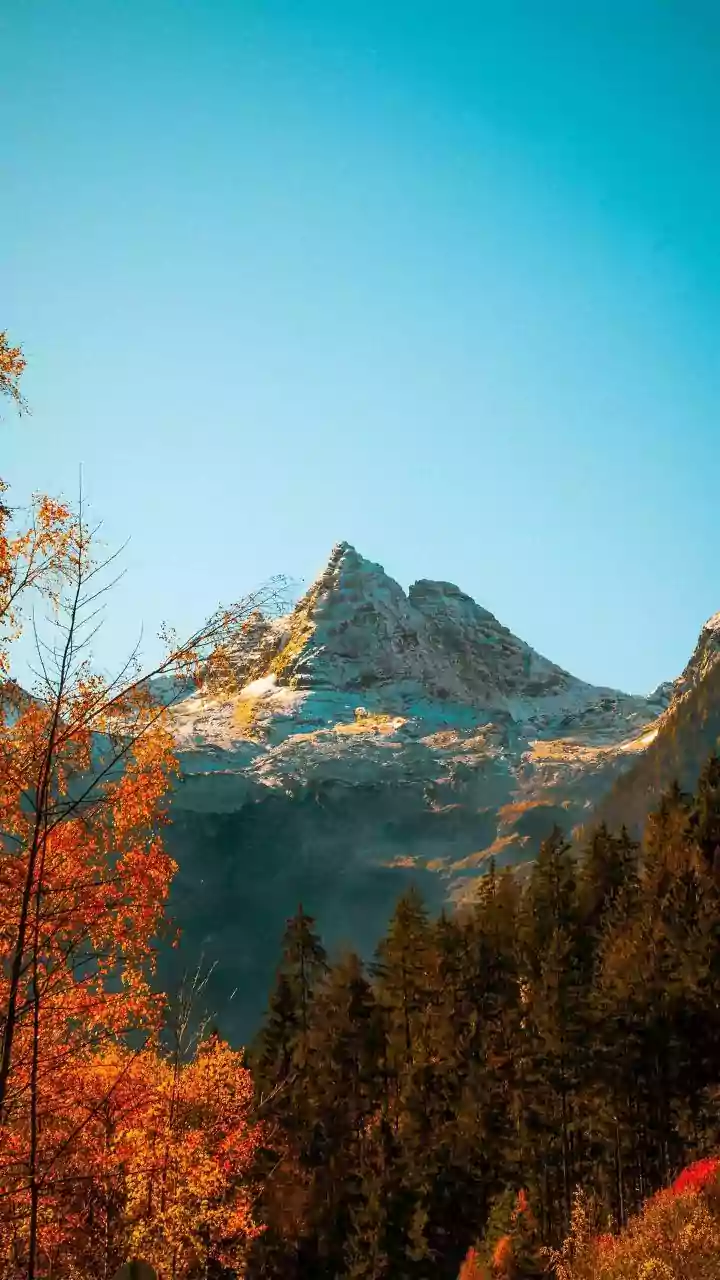
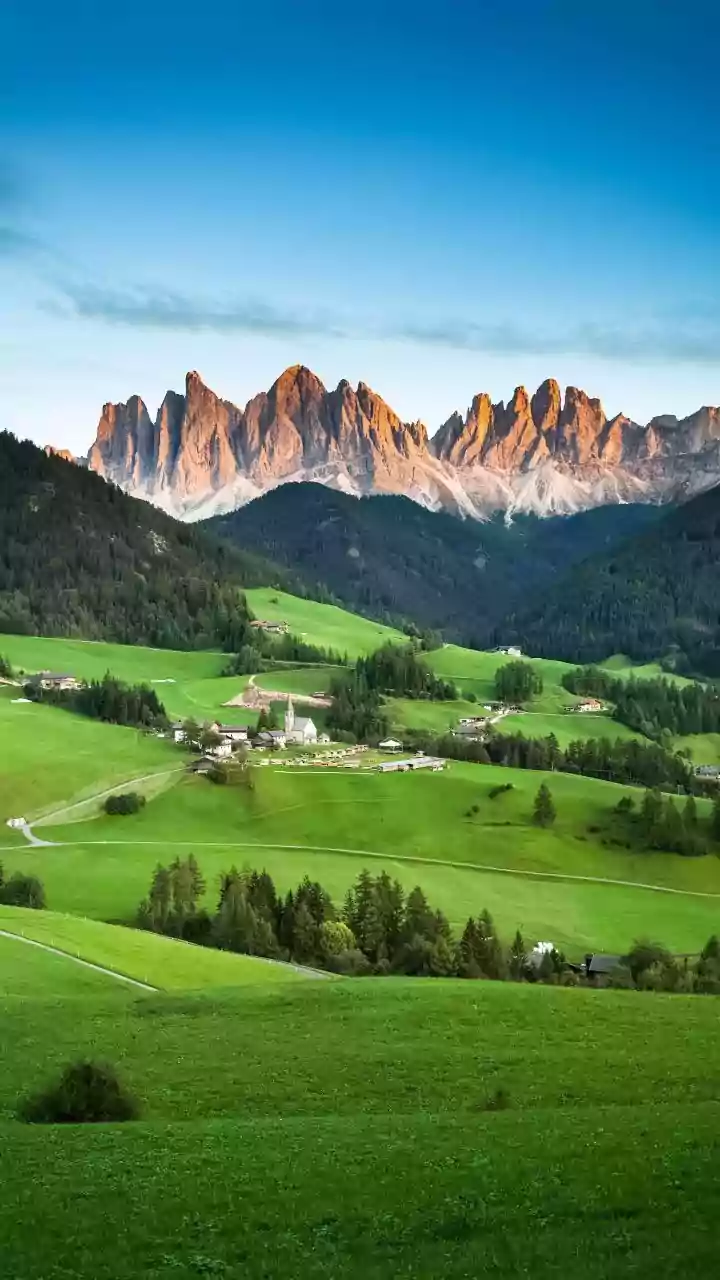
Tirthan Valley: The Riverside Retreat
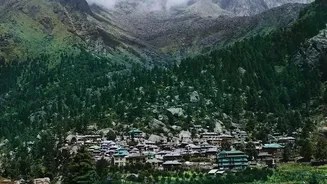
Often called one of Himachal’s best-kept secrets, Tirthan Valley is an eco-tourism haven, perfect for an autumn escape. The season, running from September to November, is considered one of the best times to visit, with pleasant weather ideal for outdoor
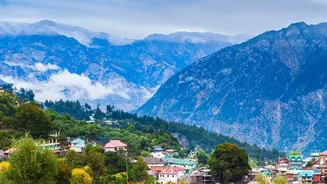
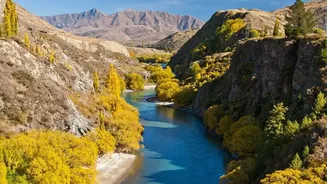
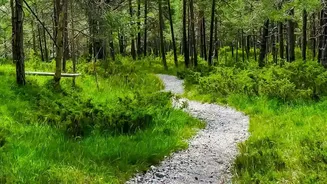
activities. The valley, named after the clear Tirthan River, is a paradise for anglers hoping to catch brown and rainbow trout. The waters run clear and cold past charming riverside homestays where you can fall asleep to the sound of the stream. The surrounding area, which forms the buffer zone of the Great Himalayan National Park, is covered in dense forests of pine and deodar. Walk through sleepy hamlets like Gushaini and Nagini, explore the ancient wooden tower of Chehni Kothi, or undertake a day trek to the serene Serolsar Lake through a forest of oaks and cedars. The post-monsoon clarity means the views are sharp, the trails are inviting, and the atmosphere is one of profound peace.
Sangla Valley: Orchards and Mountain Vistas
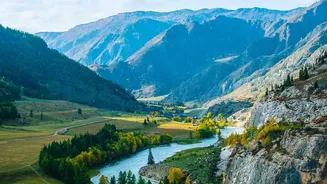
Located in the Kinnaur district, Sangla Valley is a breathtaking canvas of autumn colours. October is a particularly magical time, as apple orchards are laden with fruit and the fields of buckwheat are in full, pinkish bloom. The valley, which follows the Baspa River, is framed by towering, snow-dusted peaks, including the majestic Kinner Kailash range. The air is crisp, the skies are a brilliant blue, and the landscape is a mix of gold, red, and green, making it a photographer's dream. You can explore traditional Kinnauri villages with unique wooden architecture, like Chitkul, often called the last inhabited village near the Indo-Tibetan border. The pace of life is slow here; spend your days walking along the river, enjoying the hospitality of a local homestay, or simply soaking in the magnificent views. The shoulder season of autumn means fewer tourists, allowing for a more serene and authentic experience.
Barot Valley: An Untouched Gem
For those truly looking to get off the beaten path, Barot Valley in the Mandi district is an idyllic destination. Nestled along the Uhl River, this small valley is surrounded by thick cedar and pine forests and the Dhauladhar mountain range. Originally developed for a hydroelectric project, Barot has retained its untouched charm, where life moves at a gentle pace. Autumn is a fantastic time to visit, with pleasant weather perfect for nature walks and trekking. The valley is a haven for angling, with the Uhl River being renowned for its trout population. You can explore the Nargu Wildlife Sanctuary, home to diverse Himalayan fauna, or trek to nearby remote villages like Rajgundha. The beauty of Barot lies in its simplicity—terraced fields, quaint wooden houses, and the constant, soothing sound of the river. It’s a place to disconnect from the world and reconnect with nature in its purest form.
Pabbar Valley: A Journey Through Apple Country
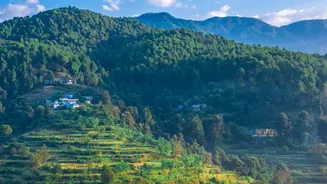
Stretching through the eastern part of the Shimla district, Pabbar Valley remains largely off the mainstream tourist map, offering a quiet escape into authentic Himachali countryside. Carved by the Pabbar River, the valley is a landscape of dense deodar forests, lush meadows, and, most famously, sprawling apple orchards. Autumn, from September to November, is a prime time to visit. The monsoon will have washed the landscape clean, leaving behind crisp air and spectacular foliage. This is also apple harvesting season, and the orchards around the main town of Rohru are bursting with fruit. A scenic drive up to Chanshal Pass, the highest motorable pass in the Shimla region, offers panoramic views of the entire valley and the surrounding Himalayan peaks. The region is dotted with ancient temples, like the Hatkoti temple complex, and offers numerous trekking routes, including the trail to the sacred Chandernahan Lake.