






An Ancient Pilgrimage on Modern Highways
The Kanwar Yatra is one of India's largest annual religious gatherings, taking place during the monsoon month of Shravan, which in 2026 begins on July 30 and ends on August 28 for North India. Millions of devotees, known as 'Kanwariyas', travel—mostly
on foot—to Haridwar, Gaumukh, or Gangotri in Uttarakhand to collect holy water from the Ganges. They carry this water back to their hometowns to offer at local Shiva temples. This act of devotion, rooted in the legend of Lord Shiva consuming poison to save the world, means that highways transform into corridors of faith, with saffron-clad pilgrims occupying entire carriageways.
Why Your Travel Plans Will Be Disrupted
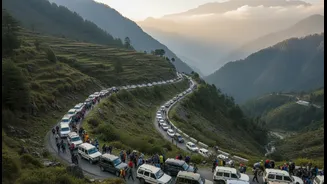
The sheer scale of the pilgrimage presents a massive logistical and safety challenge. In recent years, an estimated four crore pilgrims have participated. To prevent accidents and manage the flow of both pilgrims and regular traffic, police in several states, including Delhi, Uttar Pradesh, Uttarakhand, and Haryana, implement extensive traffic management plans. For nearly two weeks, especially in the run-up to Sawan Shivratri (August 11, 2026), major arteries like National Highway 334 (formerly NH-58), the primary route connecting Delhi to Haridwar via Meerut, are heavily restricted or closed to general traffic.
Key Routes and Diversion Hotspots for 2026
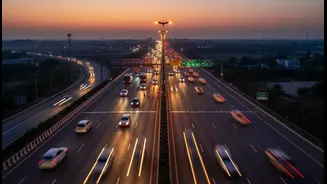
If your journey involves travelling between Delhi-NCR and Uttarakhand destinations like Dehradun, Rishikesh, or Mussoorie, you must be aware of the key diversion points. The Delhi-Meerut Expressway and the main NH-334 corridor through Ghaziabad, Meerut, and Muzaffarnagar will see the most significant impact. Heavy vehicles are typically banned about two weeks before the peak period, with light vehicles facing phased diversions closer to the date. Even the new Delhi-Dehradun Expressway may see restrictions during the most crowded days, as it did in previous years. Police departments from multiple states coordinate in real-time to manage traffic, but delays are inevitable.
Tips for a Smoother Journey
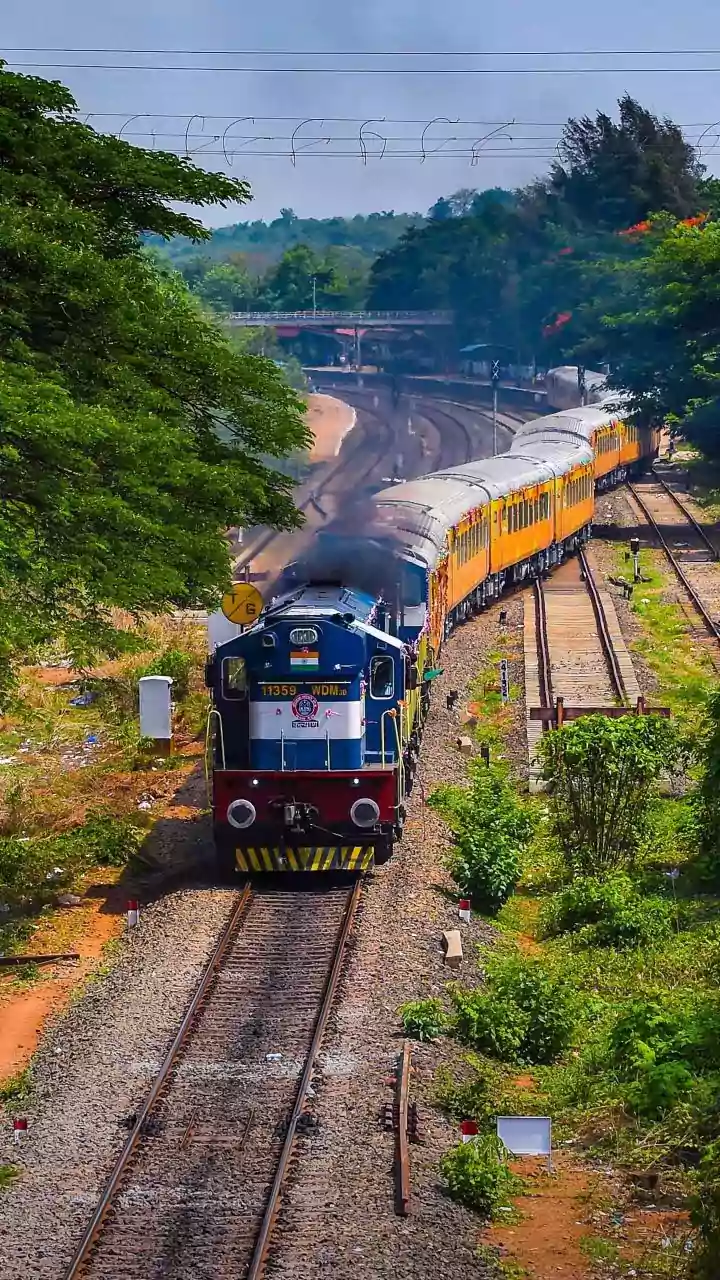
To avoid being stuck for hours, proactive planning is essential. First, if possible, schedule your travel to popular Uttarakhand destinations before July 30 or after August 13. If you must travel during the pilgrimage, use alternative routes. For Dehradun, consider the route via Panipat and Saharanpur. For Rishikesh, the path via Bijnor and Kotdwar is an option, though longer. Always use navigation apps with live traffic updates, but also check the official social media handles of state traffic police for the latest advisories. Adding significant buffer time to your travel schedule is non-negotiable. For shorter trips within affected zones, consider using trains, which are not impacted by road closures.
Safety and Courtesy on the Road
The atmosphere on the roads during the Yatra is charged with devotion. However, the movement of large groups, accompanied by trucks fitted with loud sound systems, can create unpredictable conditions. While authorities deploy thousands of personnel to manage the flow, commuters should remain patient and cautious. The main challenge is congestion, not personal safety, as the entire corridor is heavily policed. Respect the designated lanes for Kanwariyas and follow all police instructions. Remember that what is a travel delay for you is a once-in-a-year spiritual journey for millions.