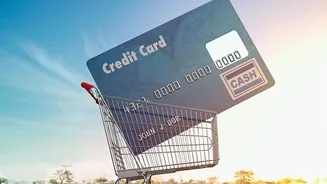







The Allure of Instant Gratification
Buy Now, Pay Later has become a dominant feature in India's e-commerce landscape, offering the flexibility to purchase items immediately and pay for them in smaller, interest-free instalments. This model is especially appealing to young professionals,
students, and those new to credit, providing a sense of financial freedom without the need for a traditional credit card. For many, BNPL feels like a smart way to manage cash flow for everything from gadgets to groceries. The ease of getting approved almost instantly makes it a go-to option for managing short-term expenses and making desired products more affordable.
Understanding the Hidden Debt Trap
The convenience of BNPL comes with significant risks that are not always advertised. Since each purchase is a small, short-term loan, it's easy to lose track of multiple payment schedules across different platforms. This can lead to what some call 'debt stacking', where several small, manageable payments combine into a large, overwhelming monthly burden. Many users are unaware that missing a payment can result in late fees, interest charges, and a negative impact on their CIBIL score. Lenders report these defaults to credit bureaus, which can harm future loan eligibility for bigger goals like a car or home loan. Research shows that the ease of BNPL can also encourage impulsive spending, pushing consumers to buy more than they can truly afford.
Strategy 1: Conscious and Planned Purchases
The first line of defence against BNPL debt is mindfulness. Financially savvy young earners are shifting from impulsive clicks to deliberate purchases. This means treating BNPL not as free money, but as a formal credit instrument. The key is to use it only for planned or essential items that already fit within a pre-determined budget, rather than for spontaneous wants. Before clicking 'pay later', they ask a simple question: "Would I buy this right now if I had to pay the full amount upfront?" If the answer is no, it’s a clear signal to reconsider the purchase. This disciplined approach prevents the accumulation of 'phantom debt' from small, forgotten purchases.
Strategy 2: The Power of Budgeting
A well-planned budget is the most powerful tool for financial control. Young adults are increasingly adopting simple budgeting frameworks like the 50/30/20 rule, where 50% of income goes to needs, 30% to wants, and 20% to savings. By creating a clear budget, they can see exactly how much discretionary income is available for shopping. This ensures that any BNPL commitments are accounted for and don't strain essential expenses. The goal is to treat savings as a non-negotiable expense, making it a priority before spending on lifestyle wants. This foundational habit separates those in control from those living paycheck to paycheck.
Strategy 3: Leveraging Technology for Control
The same technology that enables seamless shopping also offers tools for financial discipline. Many young Indians are using budgeting apps to gain control over their spending. Apps like Walnut and Timelybills automatically track expenses by analysing bank and UPI transactions, categorising spending, and sending reminders for upcoming bills, including BNPL payments. Setting up auto-pay for BNPL instalments is another smart tactic to avoid late fees and protect one's credit score. By using these digital tools, earners can get a real-time overview of their financial health, making it easier to spot overspending before it becomes a problem.
Strategy 4: Limiting BNPL Exposure
Experienced users know that managing multiple BNPL accounts can become chaotic. A key strategy is to limit the number of active BNPL plans at any given time. Some choose to stick to one or two providers to keep tracking simple, while others commit to paying off one BNPL loan completely before taking on another. This prevents the confusion of juggling different due dates and payment terms from multiple companies. Regularly reviewing credit reports also helps ensure that all BNPL activity is being reported accurately and provides a clear picture of one's overall credit exposure.