




Looking for a single, powerful exercise to build lower body strength and stability? The walking lunge is a fitness staple for a reason. Taking this classic move outdoors adds a refreshing element that can boost both your mood and your results.
The All-in-One Lower Body Builder
The walking
lunge is a highly effective compound exercise, meaning it works multiple muscle groups across several joints simultaneously. With every step, you engage your quadriceps (the front of your thighs) to control the descent and extend your knee. As you push up, your glutes (the muscles in your buttocks) and hamstrings (the back of your thighs) fire up to extend your hips and propel you forward. This dynamic, coordinated effort not only builds strength but also improves muscular endurance and promotes functional fitness that translates directly to daily activities like climbing stairs or carrying groceries.
Mastering the Form: A Step-by-Step Guide
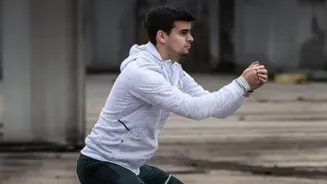
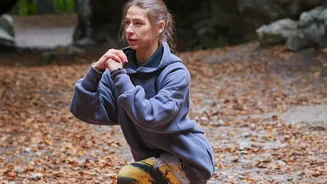
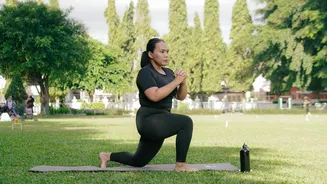
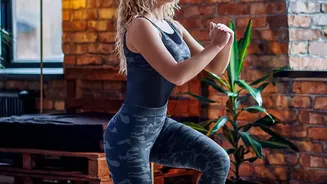
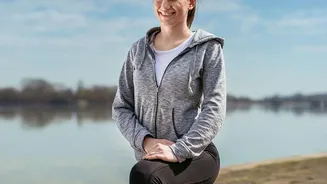
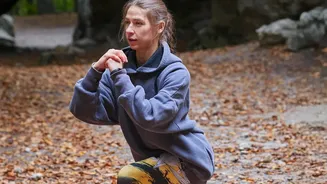
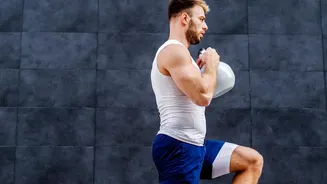
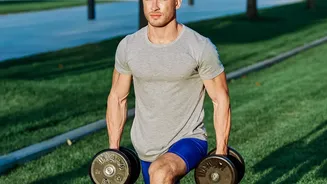
Proper form is crucial to maximize benefits and prevent injury. Start slow and focus on control over speed or distance. Begin by standing with your feet hip-width apart and your core engaged. Take a large, controlled step forward with one leg. Lower your hips straight down until both knees are bent at approximately a 90-degree angle. Your front knee should be aligned over your ankle, and your back knee should hover just above the ground without touching it. Push off the heel of your front foot and bring your back leg forward to step directly into the next lunge. Keep your torso upright and your gaze forward throughout the movement to maintain balance.
Common Mistakes to Avoid
Several common errors can compromise the effectiveness of your lunges and increase injury risk. The most frequent mistake is allowing the front knee to travel too far past the toes, which places unnecessary stress on the knee joint. This is often a sign that your step is too short. Conversely, stepping too far can strain the hip and reduce stability. Another issue is the front knee collapsing inward, a sign of weak hip stabiliser muscles. To correct this, consciously track your knee over your second and third toe. Finally, avoid leaning your torso too far forward or rounding your back; keep your chest lifted and core tight to protect your spine and properly engage your leg muscles.
Why Control Matters More Than Speed
The word 'controlled' in the exercise name is key. Rushing through repetitions uses momentum, which takes the load off the muscles you're trying to strengthen. A slow, deliberate descent (the eccentric phase) is where much of the muscle growth and strength gain occurs. Controlling the movement forces your core and smaller stabilising muscles around the hips and knees to work harder, dramatically improving your balance and coordination. By focusing on quality over quantity, you build a stronger, more resilient foundation that reduces the risk of falls and injuries in other activities.
The Outdoor Advantage
Taking your walking lunges outside offers benefits beyond a simple change of scenery. Exercising outdoors has been shown to improve mood, reduce stress, and increase motivation. Exposure to natural sunlight helps your body produce Vitamin D, which is crucial for bone health and immune function. A park, a quiet street, or a backyard provides ample space to lunge without interruption. Performing the exercise on natural surfaces like grass can also challenge your stabilising muscles in new ways, though you should always be mindful of uneven ground. The fresh air and natural environment can make your workout feel less like a chore and more like a rejuvenating activity.