



Understanding the Millet Family
For generations, millets were a staple across India, from the bhakris of Maharashtra to the ragi mudde of Karnataka. These ancient grains, which are naturally gluten-free, are being rediscovered by a new generation for their impressive nutritional profiles
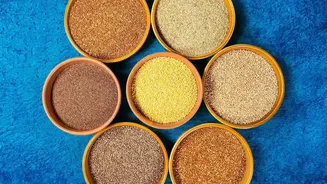
and their ability to thrive in harsh climates. However, anyone who has tried to substitute one millet for another in a recipe knows the results can be unpredictable. The reason lies in the distinct character of each grain—its texture, flavour, nutritional makeup, and how its flour behaves when cooked. Understanding these differences is the key to mastering millet cooking.
Jowar (Sorghum): The Neutral and Sturdy Staple
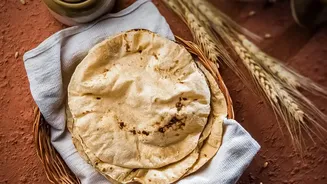
Jowar, or sorghum, is often the first millet people try because of its mild, slightly nutty flavour that doesn't overpower a meal. Its flour is pale and relatively fine, making it versatile. Jowar's key characteristic is its high fibre content and its structural integrity when cooked. This is why it's the undisputed champion for making bhakri, a traditional flatbread. To form a soft, pliable dough, jowar flour typically needs to be kneaded with hot water, which helps to bind it. The resulting flatbread is soft yet sturdy, perfect for scooping up curries and vegetables. Its neutral taste also makes it a great addition to pancakes and other baked goods.
Bajra (Pearl Millet): The Earthy and Warming Powerhouse
Bajra has a much stronger and more assertive personality than jowar. Known for its distinct earthy and nutty flavour, it’s a dense and hearty grain. Traditionally, bajra is considered a 'warming' food in Ayurveda, making it a winter favourite, especially in the western states of Rajasthan and Gujarat. Its flour has a greyish hue and a coarser texture. When used for rotis or rotlas, it creates a flatbread that is dense, rustic, and deeply satisfying. Nutritionally, bajra is a powerhouse, rich in iron, protein, and magnesium. However, its robust flavour means it pairs best with equally strong accompaniments like garlic chutney, jaggery, or rich vegetable curries.
Ragi (Finger Millet): The Fine and Nutrient-Dense Grain
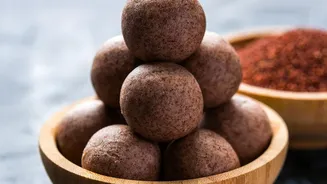
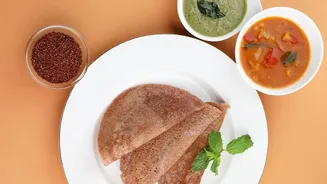
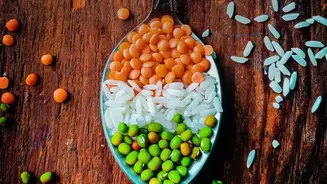
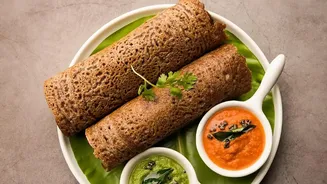
Ragi stands out for its deep, reddish-brown colour and its exceptional nutritional content, most notably its high calcium levels. The flavour is earthy but with a hint of sweetness that's quite different from bajra. Ragi flour is very fine, which gives it different culinary applications. It's less suited for a dry, patted-out bhakri but excels in preparations where it is mixed into a batter or a soft dough. This makes it perfect for South Indian classics like ragi dosa and idli, where it's often combined with rice and lentils. Its ability to absorb liquid also makes it ideal for creating smooth, nutritious porridge, which is a popular weaning food for babies and a comforting meal for all ages.
Small Millets: The Versatile Rice Substitutes
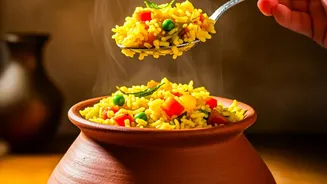
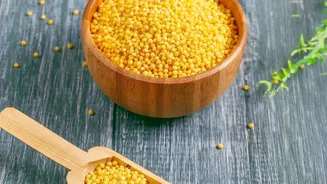
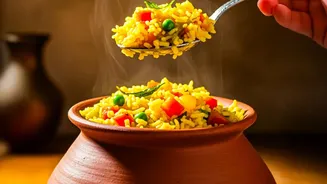
Beyond the big three, there is a whole world of small millets like foxtail millet (kangni), little millet (kutki), and barnyard millet. These grains are much smaller and often cooked whole rather than ground into flour. Their primary culinary advantage is their ability to cook up fluffy and separate, much like rice or quinoa. Foxtail millet, for instance, has a mild, nutty taste and is a fantastic substitute for rice in pulao, upma, or even as a simple side dish. Little millet is even tinier and cooks to a softer texture, making it great for those with sensitive digestion. These small millets are prized for their versatility and quick cooking time, offering a nutrient-dense alternative to polished white rice.