






Maximise Your Visibility
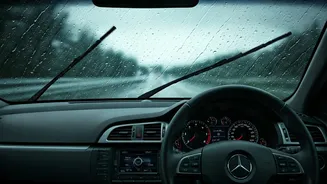
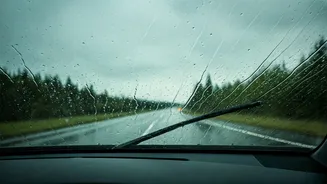
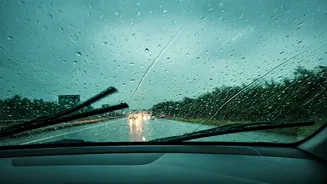
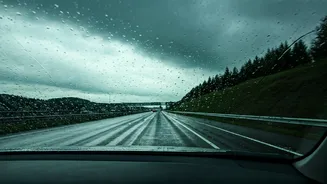
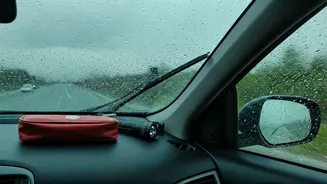
Heavy rain drastically reduces visibility, making it one of the biggest dangers of monsoon driving. Your first line of defence is a perfectly functioning set of wiper blades. Summer heat can harden the rubber, causing streaks and squeaks. If your blades aren't
clearing the glass cleanly, replace them immediately. Always top up your windshield washer fluid, preferably with a proper cleaning solution, not just water, to cut through road grime. For an extra layer of safety, apply a rain-repellent treatment to your windshield; it causes water to bead and slide off, improving clarity. Also, ensure all your lights—headlights, tail lights, and indicators—are working perfectly. Clean the lenses and replace any dim or fused bulbs so you can see and be seen.
Check Your Tyres and Brakes
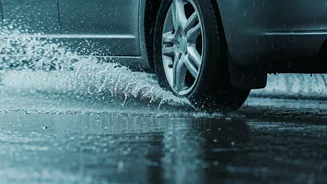
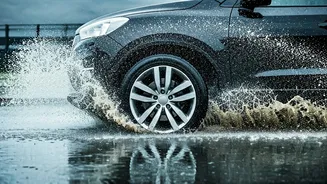
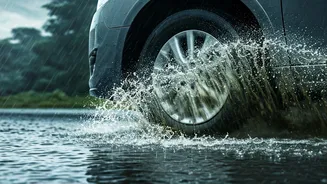
Tyres are your car's only connection to the road, and their importance is amplified on wet surfaces. Worn-out tyres with insufficient tread depth struggle to channel water away, which can lead to hydroplaning—where your car skids on a layer of water. Before the rains set in, check that your tyres have adequate tread and are inflated to the manufacturer's recommended pressure. Equally critical are your brakes. Wet conditions increase braking distances, so your system needs to be in top shape. Listen for any unusual sounds and get them inspected if you notice any issues. After driving through a waterlogged area, tap your brakes gently a few times to dry them out and restore their effectiveness.
Service Your Battery and Electricals
The combination of high humidity and constant moisture can be tough on your car's electrical systems. Your battery works harder during the monsoon due to the increased use of wipers, headlights, and the defogger. A battery that was fine in the summer might fail in a rainy traffic jam. It's wise to get your battery's health checked, especially if it's more than three years old. Clean any corrosion from the terminals and ensure all wiring is properly insulated to prevent short circuits.
Prepare for Cabin Comfort and Safety
A foggy windshield can blind you in seconds. Your car's air conditioning (AC) is the fastest way to defog the interior glass, so ensure it's working correctly. Also, check that your rear defogger is functional. To combat the damp, musty smell that can develop, consider using a car perfume or a moisture absorber packet. Swapping out fabric floor mats for rubber or all-weather mats is a smart move. They trap mud and water, are easy to clean, and prevent your car's carpet from getting soaked and damaged.
Assemble an Emergency Kit
Getting stranded is always a risk, but that risk increases during the monsoon with waterlogging and traffic snarls. A well-stocked emergency kit is non-negotiable. Your kit should include a tow rope, a high-powered torch, jumper cables, and a reflective warning triangle. It's also practical to carry a portable tyre inflator, which can be a lifesaver on wet highways where tyre pressure can fluctuate. Adding personal items like a first-aid kit, a change of clothes, an umbrella, and a power bank will ensure you're prepared for any unexpected delays.