





Pack Smart, Not Just Heavy
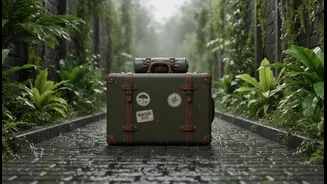
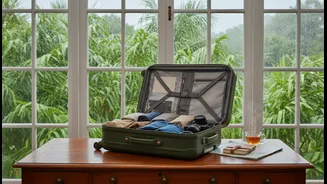
Packing for a monsoon trip is about choosing the right materials. Leave the denim and heavy cottons at home; they take ages to dry in the humid weather. Instead, opt for lightweight, synthetic, and quick-drying clothes. Full-sleeved shirts and trousers
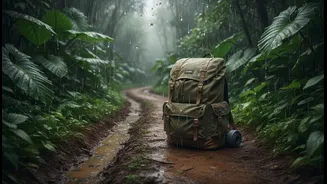
can offer protection from mosquitoes, which are more prevalent this season. A sturdy, wind-resistant umbrella and a reliable raincoat or poncho are non-negotiable. Footwear is crucial; pack waterproof sandals or floaters with good grip for city walking and a pair of anti-skid, quick-dry shoes if you plan on trekking. It’s wise to carry waterproof bags or zip-lock pouches to protect your electronics, passport, and other important documents from the damp. A waterproof backpack cover is another essential to keep all your belongings safe and dry.
Prioritise Your Health and Hygiene
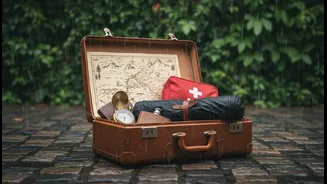
The monsoon season can bring a spike in waterborne and mosquito-borne diseases like dengue and malaria. Always drink bottled, boiled, or purified water to stay safe. Be cautious with street food, as the high humidity can lead to faster contamination. Opt for freshly cooked, hot meals from clean, reputable establishments. Washing fruits and vegetables thoroughly before consumption is vital. Carry a basic medical kit with essentials for fever, colds, stomach upsets, and any personal medications. A strong insect repellent is a must, especially in the evenings and in rural or coastal areas. Maintaining personal hygiene, like washing your hands frequently, can go a long way in preventing infections.
Navigate Transportation with Patience
Travel during the monsoon often requires flexibility and patience. Heavy rains can lead to waterlogged streets, traffic congestion, and significant delays for road and rail travel. Transportation times can increase by as much as 40% in some regions. If you're driving, ensure your vehicle's tyres, brakes, and wipers are in excellent condition. Drive slowly on wet roads, maintain a safe distance from other vehicles, and avoid driving through flooded areas where the water depth is uncertain. It’s often wiser to rely on local drivers or public transport, as they are more familiar with the conditions. Keep buffer days in your itinerary to account for potential delays and check weather advisories and road conditions before you set out each day.
Choose Your Destinations Wisely
While the monsoon makes most of India beautiful, some regions are better suited for travel than others during this season. Places like Munnar in Kerala, Coorg in Karnataka, and Udaipur in Rajasthan become exceptionally romantic and scenic, with lush landscapes and full lakes. The Western Ghats, including destinations like Mahabaleshwar and Lonavala, come alive with hundreds of waterfalls. However, it is advisable to be cautious about visiting regions prone to landslides, such as parts of Uttarakhand and Himachal Pradesh, or areas susceptible to heavy flooding. Some places like Spiti Valley lie in a rain-shadow area, making them ideal for those who want to avoid the rain altogether. Off-season travel to Goa can also be rewarding, with greener scenery and fewer crowds, though beach activities are limited.
Embrace the Experience
Sometimes, the best part of a monsoon trip is embracing the rain itself. Don't let a downpour ruin your day. Use it as an opportunity to explore indoor attractions like museums, art galleries, and cultural centres. Many travellers find that the monsoon is the best time for activities like trekking to roaring waterfalls (with proper gear) or simply enjoying a hot cup of tea while watching the rain from a cozy hotel room. The landscapes are at their most vibrant, the tourist spots are less crowded, and you get to experience a more tranquil and atmospheric side of India. With the right mindset and preparation, travelling during the rainy season can be an incredibly rewarding and memorable experience.