




The Tea Gardens of Jorhat and Dibrugarh
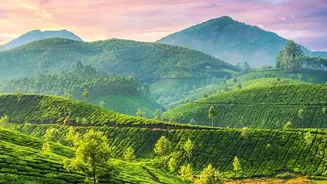
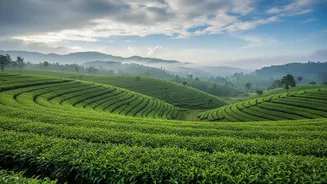
Often called the 'Tea Capital of India', Assam's sprawling tea estates are at their most beautiful during the monsoon. The persistent rains wash the dust from the leaves, leaving behind an endless carpet of shimmering, vibrant green that stretches to
the horizon. In places like Jorhat and Dibrugarh, the air becomes heavy with the fresh aroma of wet earth and tea leaves. This season offers a quieter, more intimate experience; you can walk through the misty, rain-drenched paths of an estate, watch pluckers deftly at work under their umbrellas, and end your day with a steaming cup of the freshest Assam tea. Many tea bungalows and resorts offer cosy stays, making them a perfect retreat from the downpour.
Haflong's Misty Hills and Waterfalls
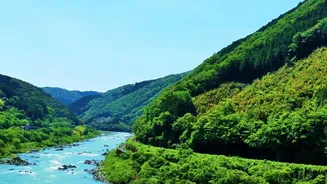
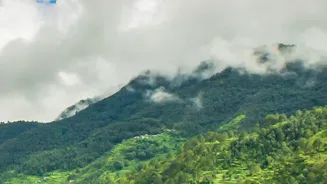
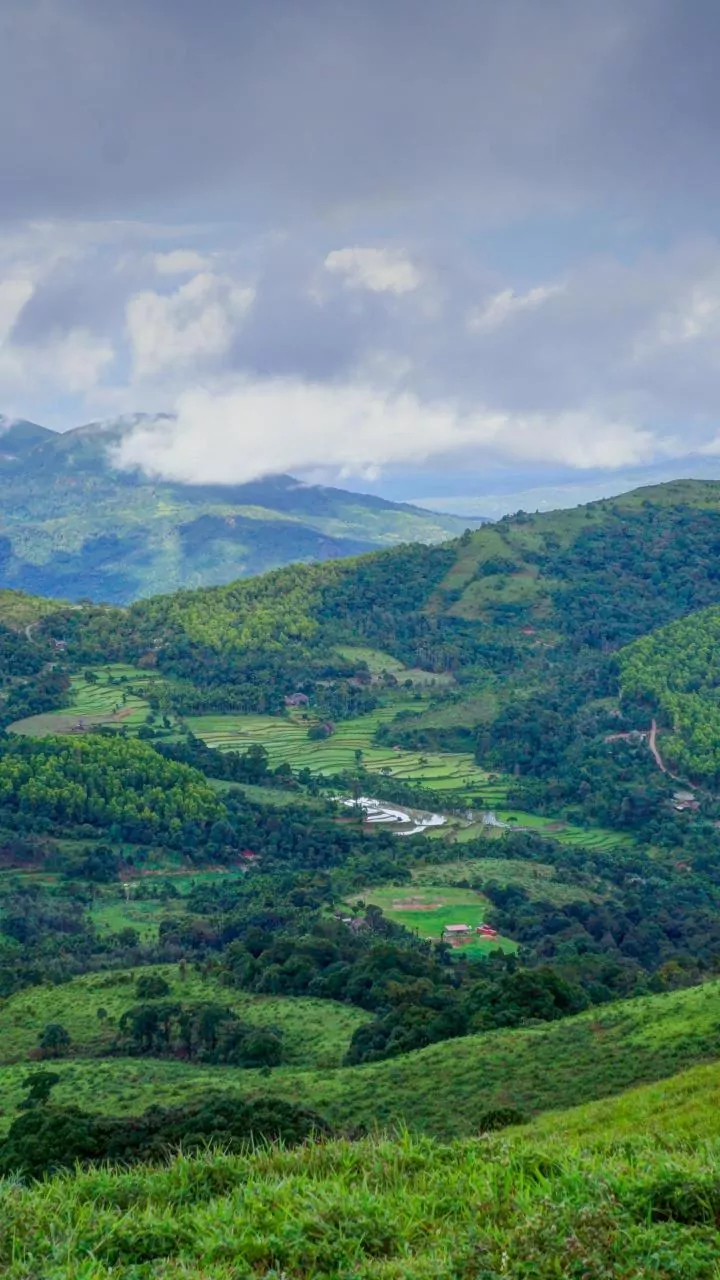
Known as the only hill station in Assam, Haflong truly comes alive during the monsoon. The valleys fill with rolling clouds that seem to flow like white rivers, and the surrounding hills become dense with lush foliage and blooming orchids. The rains give birth to countless seasonal waterfalls that cascade down cliffs in sudden, breathtaking displays. The atmosphere is serene and mystical, offering a cool respite from the plains. For those who enjoy nature walks, the trails become more adventurous, leading into a vibrant green world. It’s a photographer's dream, with misty landscapes and the vivid colours of nature creating picture-perfect moments at every turn.
The Water World of Majuli Island
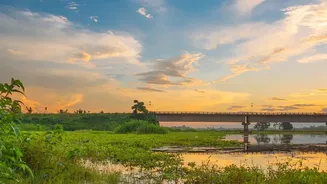
The world's largest river island, Majuli, offers a completely different but equally enchanting experience in the monsoon. As the Brahmaputra River swells, the island transforms into a unique waterscape. While this brings the risk of floods and makes travel unpredictable, it also creates stunning visuals of shimmering paddy fields and villages seemingly afloat. Boat rides become the primary mode of transport, offering serene journeys across the expanded waterways. The rains infuse new life into the island’s greenery, and its ancient monasteries, or Satras, provide a peaceful, spiritual retreat from the elements. It's an experience for the adventurous traveller, revealing the raw, untamed beauty of life on the river.
The Rejuvenated Wetlands of Deepor Beel
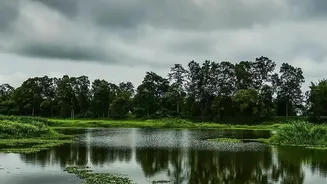
A freshwater lake and a Ramsar site near Guwahati, Deepor Beel becomes a paradise for birdwatchers during the monsoon. The rains replenish the lake, attracting thousands of resident and migratory birds who flock to the flourishing ecosystem. The wetlands come alive with activity, making it an ideal spot for birding enthusiasts. Taking a serene boat ride on the rain-fed waters offers a chance to soak in the peaceful beauty of the lake and its surroundings, with the sky often filled with birds. The experience is a tranquil retreat that showcases the rich biodiversity of Assam's wetlands at their seasonal peak.
A Note on Safety and Accessibility
While Assam's monsoon beauty is undeniable, it's crucial to travel with caution. The season brings challenges like heavy rainfall, potential flooding in low-lying areas, and landslides in hilly regions. Many of the state’s famous national parks, including Kaziranga and Manas, remain closed to visitors from around May or June until October due to waterlogging and for wildlife protection. It is essential to check local weather forecasts and road conditions before and during your trip. Opt for flexible itineraries, carry waterproof clothing and footwear, and always have a backup plan. Despite these considerations, a well-planned monsoon trip can reveal a side of Assam that is quieter, greener, and incredibly soulful.