




A Lighter, Brighter Alternative
Let’s be honest: a dense, rich dessert on a sweltering 40-degree afternoon can sometimes feel like a commitment. While traditional ice cream and decadent kulfi will always have a special place in our hearts, there are moments when we crave refreshment
without the richness. This is where frozen yoghurt, or 'fro-yo', makes its grand entrance. Its primary appeal lies in its texture and taste profile. It's softer, lighter, and carries a signature tang from its yoghurt base that cuts through the sweetness, making it feel incredibly refreshing rather than just cloying. It’s the kind of treat that cools you down without weighing you down, making it the perfect post-lunch or evening companion during India’s long summer months.
From Health Food to Hip Treat
Frozen yoghurt’s journey has been an interesting one. It first appeared in the 1970s in the US as a 'healthy' alternative to ice cream. Early versions were often criticized for being too tart or icy. For decades, it existed in the shadow of ice cream, seen as a niche 'diet' food. But the game changed in the mid-2000s with the rise of brands like Pinkberry and Menchie's, which reinvented fro-yo for a new generation. They perfected the creamy, soft-serve texture and focused on the experience: bright, cheerful stores and, most importantly, the art of customisation. It was no longer just about being 'not ice cream'; it was about being a fun, interactive, and delicious experience in its own right. This new wave is what truly cemented its global appeal and brought it to urban India.
The Guilt-Free(ish) Indulgence
A key part of fro-yo's allure is the perception that it’s healthier. And there's some truth to that. Typically, frozen yoghurt is lower in fat and calories than traditional ice cream. Many brands also use yoghurt with live and active cultures (probiotics), which can be beneficial for gut health. However, it's important to approach the 'health' halo with a bit of sense. The sugar content can be comparable to, or even higher than, ice cream, depending on the brand and flavour. And this is before we even get to the toppings bar. While a sprinkle of fresh fruit and nuts is a great choice, loading up your swirl with chocolate sauce, brownie bits, and gummy bears quickly turns your 'healthy' snack into a full-blown dessert. The beauty is that the choice is yours, but it’s a choice worth making consciously.
A Canvas for Your Cravings
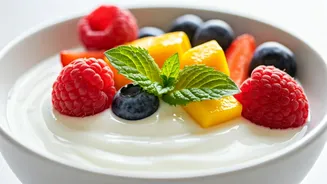
The modern frozen yoghurt shop is a playground for flavour. The experience is rarely about just picking a pre-made scoop from a tub. Instead, it’s an interactive ritual. You grab a cup, choose between flavours like classic tart, mango, or chocolate, and pull a lever to dispense your own perfect swirl. The real magic, however, happens at the toppings station. This endless buffet of possibilities is what truly sets the fro-yo experience apart. For Indians who love variety and customisation in their food—from chaat to thalis—this is a natural fit. You can be virtuous with blueberries and granola one day, and go for pure indulgence with Oreos and hot fudge the next. It’s a dessert that reflects your mood, making each cup a unique creation.
India's Cool New Habit
Over the last decade, frozen yoghurt has carved out a firm spot in India's urban foodscape. Brands like Cocoberry, Red Mango, and other international and homegrown chains have become popular hangouts in malls and high streets. It appeals perfectly to a generation of Indians who are globally aware, health-conscious but not health-obsessed, and value experience as much as the product itself. It’s a light, modern treat that fits into the rhythm of city life. It's what you grab after a movie, during a shopping break, or on a casual date. It’s less of a special occasion dessert and more of a delightful everyday habit.