



A Celestial Sanctuary in the Himalayas
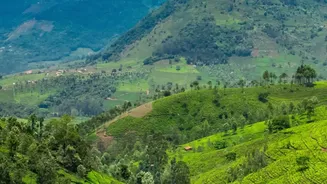
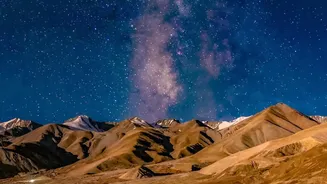
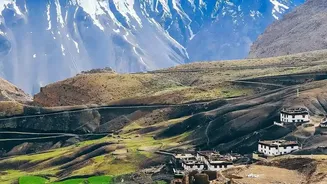
Perched at a breathtaking altitude of over 14,000 feet in Himachal Pradesh, Langza is a village that seems to touch the cosmos. Its remote location, surrounded by towering, snow-dusted peaks, has long offered a quiet escape. But its greatest asset reveals
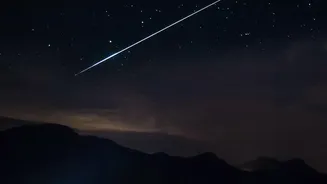
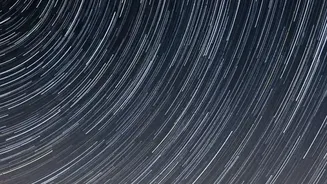
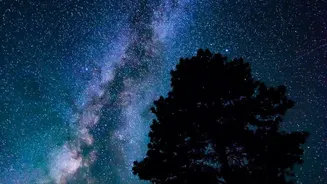
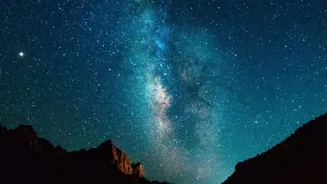
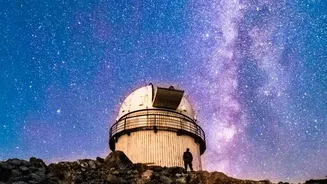
itself after sunset. The combination of high altitude, bone-dry air, and near-zero light pollution makes its night sky one of the clearest and darkest in India. Here, the Milky Way isn't a faint smudge; it's a brilliant, textured river of light visible to the naked eye, a sight most city dwellers have never experienced. This natural advantage has made Langza and the wider Spiti Valley a paradise for astronomers and photographers for years.
What is a Dark Sky Reserve?
The term “Dark Sky Reserve” isn’t just a poetic description. Officially, it’s a designation awarded by organisations like DarkSky International to places that have exceptional starry nights and are protected against light pollution. To qualify, a region needs a dark core area and policies to reduce light interference in the surrounding periphery. India’s first official International Dark Sky Reserve was established in Hanle, Ladakh, in 2022, recognising its unique conditions for astronomical research. While Spiti is not yet formally certified, a powerful grassroots and government-led movement is underway to protect its skies and establish it as a premier dark-sky destination, mirroring the principles of a reserve through community action.
The 'How': A Community-Powered Initiative
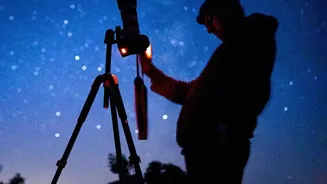
The secret to protecting Langza's night sky lies not in fences, but in people. In mid-2025, the Himachal Pradesh government launched a major astro-tourism initiative to empower local communities. Led by the Himachal Pradesh Council for Science, Technology & Environment (HIMCOSTE), the project's core idea is to turn the pristine sky into a sustainable livelihood. Instead of letting unregulated development and light pollution creep in, the focus is on creating value from darkness. The state has provided high-end, computerised telescopes to residents of Langza, Kaza, and neighbouring villages. Crucially, locals are being trained to operate this equipment and guide visitors, turning them into astro-entrepreneurs and the first line of defence against light pollution. When your economy depends on a dark sky, you become its most passionate protector.
The Astrotourist Experience
For a visitor, this initiative transforms a trip to Spiti into an immersive cosmic journey. The experience is designed to be accessible, not just for experts. Travellers can book guided stargazing sessions with trained local guides who use powerful telescopes to reveal planets, distant nebulae, and star clusters. These sessions often blend scientific knowledge with local folklore about the constellations, offering a unique cultural dimension. Accommodation is typically in village homestays, allowing tourists to contribute directly to the local economy. The best time to visit is between May and September, when the roads are accessible and the skies are exceptionally clear. It’s a chance not just to see the stars, but to understand your place beneath them, guided by the community that calls this stunning landscape home.
More Than Just Stargazing
Protecting the night sky in Langza is about more than just tourism. It's a holistic approach to sustainable development in a fragile ecosystem. By creating an economy based on preservation rather than extraction, the initiative helps safeguard the region's unique culture and environment. It offers the youth of Spiti's tribal communities a reason to stay and build a future that honours their heritage while embracing science. Furthermore, reducing artificial light at night is vital for nocturnal wildlife, whose natural behaviours are disrupted by skyglow. This effort ensures that the region’s natural rhythms, both in the sky and on the ground, remain undisturbed for generations to come.