




The great Indian vacation is changing. For a new generation of travellers, the predictable rhythm of big-city hotels is losing its charm. They seek authenticity and connection, pushing them towards options that offer a genuine sense of place.
The End of Cookie-Cutter Tourism
For years,
travel in India often meant a checklist: see the monument, take the photo, and retreat to a hotel room that looks the same in any city. But today’s traveller, especially from the younger millennial and Gen Z demographic, is driven by a desire for experiences over simple sightseeing. This shift has fuelled a quiet revolution against the anonymity of large hotel chains. The 'alternative accommodation' market, which includes homestays, is no longer an alternative; it's a core driver of modern travel culture. Recent reports project this segment to grow significantly, reflecting a fundamental change in what people value on a holiday.
Personalisation Is the New Luxury
The core appeal of a homestay lies in a single, powerful concept: personalisation. Unlike a sprawling resort built for efficiency, a homestay is built on human connection. The host is not just a manager but a resident, storyteller, and cultural ambassador. This personal touch transforms a stay from a transaction into a relationship. Guests feel valued when a host remembers their preferences, whether it's how they take their coffee or their dietary needs. This tailored attention is something travellers increasingly crave and are willing to seek out, viewing it as a higher form of luxury than a large, impersonal lobby.
An Experience, Not Just a Room
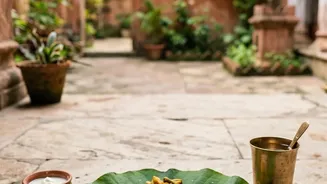
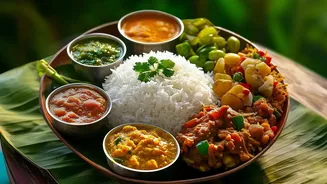
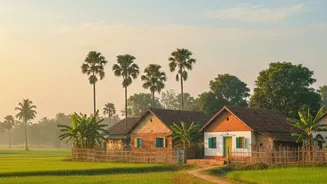
A hotel offers a bed, but a homestay offers a story. One of the biggest differentiators is the home-cooked food, which provides a direct taste of the region's culinary identity through family recipes and local ingredients. Beyond the dining table, hosts provide a wealth of local knowledge that is impossible to replicate. They can point you to a hidden sunset spot, introduce you to a local artisan, or teach you a regional recipe in their own kitchen. This turns a vacation from a passive viewing experience into an active, immersive one. It’s the difference between being a tourist and being a guest in someone’s world.
The Shift Towards Authentic Stays
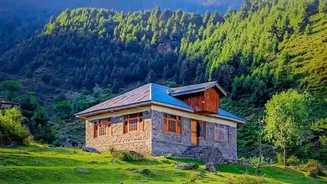
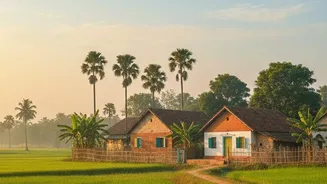
The rise of homestays is part of a broader trend towards 'experiential travel'. Modern travellers are looking for meaningful connections and memorable stories, not just a comfortable night's sleep. This is especially true in a post-pandemic world where factors like privacy, hygiene, and space have become priorities. Homestays, with their smaller footprint and informal environment, naturally cater to these needs. The growing interest is clear in the numbers, with the homestay sector in India seeing significant growth and becoming an essential part of the country's tourism economy. Digital platforms have also made it easier than ever for travellers to discover and book these unique properties across the country, from Coorg and Varkala to Jaipur and Udaipur.
Why Standardisation Falls Short
While hotels excel at providing consistency and a predictable level of quality, this standardisation can also feel sterile. The 'cookie-cutter' model, where every room feels the same regardless of the city, isolates travellers from the very culture they came to experience. The rigid rules, set meal times, and formal atmosphere of a hotel contrast sharply with the flexibility offered by a homestay. While hotels are reliable, they often lack the character and warmth that create lasting memories. For a growing number of people, the perfectly made bed in a generic room is no match for a warm conversation over a home-cooked meal.