




The Great Indian Vitamin D Deficit
Vitamin D is crucial for absorbing calcium, ensuring strong bones, and supporting our immune system. Yet, studies show a widespread deficiency across India. Several factors are at play. Urban, indoor lifestyles mean we get less direct sun exposure. When
we are outdoors, factors like air pollution can block the specific UVB rays needed for vitamin D synthesis. Furthermore, the melanin in darker skin tones, which is common in India, naturally offers protection from the sun but also requires more sun exposure to produce the same amount of vitamin D as lighter skin. The result is that we cannot rely on sunshine alone.
The Challenge of a Vegetarian Diet
Finding vitamin D naturally in food is tricky, especially for vegetarians. The most potent natural sources are animal-based, such as fatty fish like salmon, mackerel, and hilsa, as well as egg yolks. For the large vegetarian population in India, the options are very limited. Some mushrooms, particularly those exposed to UV light, can be a good plant-based source of vitamin D2. However, these are not always widely available or a regular part of the everyday diet, making it difficult to meet daily requirements from natural foods alone.
Fortification: The Hidden Helper in Your Pantry
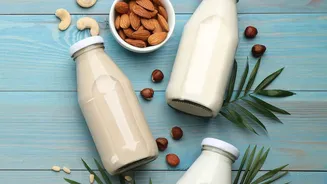
Recognising this dietary gap, food fortification has become a key public health strategy. The Food Safety and Standards Authority of India (FSSAI) has established regulations for fortifying staple foods. This means manufacturers can add essential micronutrients like Vitamin D to everyday products. Commonly fortified items in India include milk, edible oils, and breakfast cereals. Fortified dairy products like curd and yoghurt, as well as plant-based milks such as soy or almond milk, are also becoming more common. These foods offer a practical and accessible way to boost vitamin D intake without drastic dietary changes.
How to Become a Savvy Label Detective
Since you cannot taste or see the vitamin content, reading the food label is an essential skill. Never assume a product is fortified. First, look for the FSSAI logo and license number to ensure the product complies with Indian food safety standards. On the nutritional information panel, scan for 'Vitamin D'. The amount is typically listed in micrograms (mcg) or International Units (IU) per serving or per 100g. For context, the Indian Council of Medical Research (ICMR) recommends a daily dietary allowance of 600 IU (15 mcg) for adults. The label might also show this as a percentage of the Recommended Dietary Allowance (%RDA), which tells you how much one serving contributes to your daily needs. Don't be swayed by front-of-pack claims like 'rich in vitamins'; always turn the package over and verify the details yourself.
Putting It All Together
Building a vitamin D-rich diet requires a conscious effort. For non-vegetarians, including fatty fish a few times a week and eggs regularly can make a significant contribution. For vegetarians, the focus shifts heavily towards fortified foods. A breakfast of fortified cereal with fortified milk, a lunch that includes fortified curd, and using a fortified oil for cooking can collectively make a difference. While food is a powerful tool, it's important to have realistic expectations. Diet alone might not be enough to correct a severe deficiency. Sensible, moderate sun exposure (around midday) can help, but if you suspect you are deficient, a blood test is the only way to know for sure.