




The Long, Hot Wait
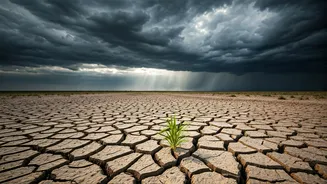
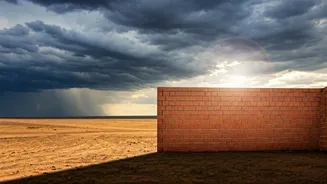
For weeks, Mumbai felt like an oven left on by mistake. The usual late May and early June showers were conspicuously absent. Instead, citizens endured a gruelling, sticky heatwave that made daily life a struggle. The sun beat down with an unforgiving
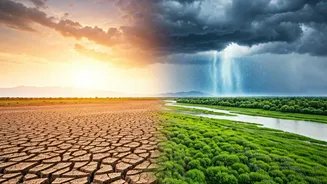
intensity, turning streets into sizzling pans and air-conditioner units into the city's most valuable players. The delay wasn't just a topic of conversation; it was a physical and psychological burden. Every forecast was scrutinised, every stray cloud viewed with desperate hope. The collective question hanging in the humid air was not 'if', but 'when' the relief would finally come. This period of waiting was what the headline rightly calls an 'insane dry spell,' a stark deviation from the predictable rhythm that governs life in the coastal metropolis.
More Than Just an Inconvenience
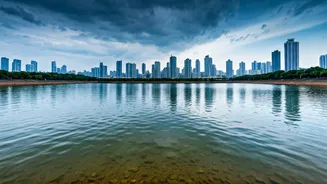
The delay in the monsoon's arrival was far more than a matter of comfort. It was a looming civic crisis. The seven lakes that supply Mumbai's drinking water—Upper Vaitarna, Modak Sagar, Tansa, Middle Vaitarna, Bhatsa, Vihar, and Tulsi—saw their levels drop to dangerously low points. The Brihanmumbai Municipal Corporation (BMC) was on the verge of implementing significant water cuts across the city, a measure that brings hardship to millions. The delay put immense pressure on the city's water management systems. Farmers in the surrounding regions, who depend on the timely arrival of rain for their kharif crops, were also looking at the sky with growing anxiety. The late monsoon served as a stark reminder of the city's and the region's profound dependence on this seasonal weather pattern.
A Symphony of Arrival
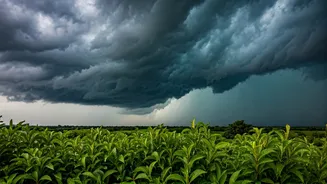
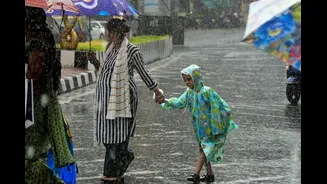
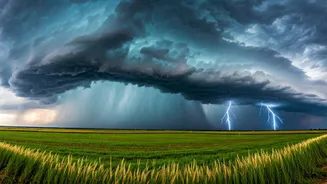
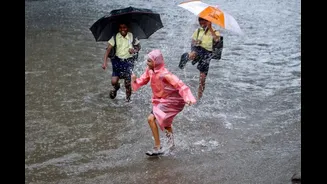
And then, it began. The change was first felt as a subtle shift in the breeze. The sky, for weeks a monotonous, hazy blue, began to bruise with dark, heavy clouds rolling in from the Arabian Sea. Then came the first fat drops, hitting the parched asphalt with an audible splat. Within minutes, a tentative drizzle turned into a confident downpour. The moment the city had been waiting for was a full-blown sensory experience: the roar of the rain, the sudden drop in temperature, and most iconic of all, the smell of petrichor—the earthy scent of rain on dry soil—rising from the ground. On the streets, there was a palpable sense of jubilation. People ran for cover, but with smiles on their faces. Children splashed in the first puddles. It was a city-wide exhale of pure relief.
The Official Declaration
This collective experience was soon backed by official confirmation. The India Meteorological Department (IMD) formally announced the onset of the southwest monsoon over Mumbai. Typically, the monsoon arrives by June 11, but this year's arrival was delayed by nearly two weeks. Meteorologists pointed to the influence of Cyclone Biparjoy, which developed in the Arabian Sea in early June. The powerful storm system disrupted the typical monsoon winds, effectively pulling moisture away from the Indian coast and delaying its advance. Once the cyclone dissipated, the monsoon currents were able to reorganise and finally make their much-anticipated journey to the Mumbai coast.
From Relief to Reality
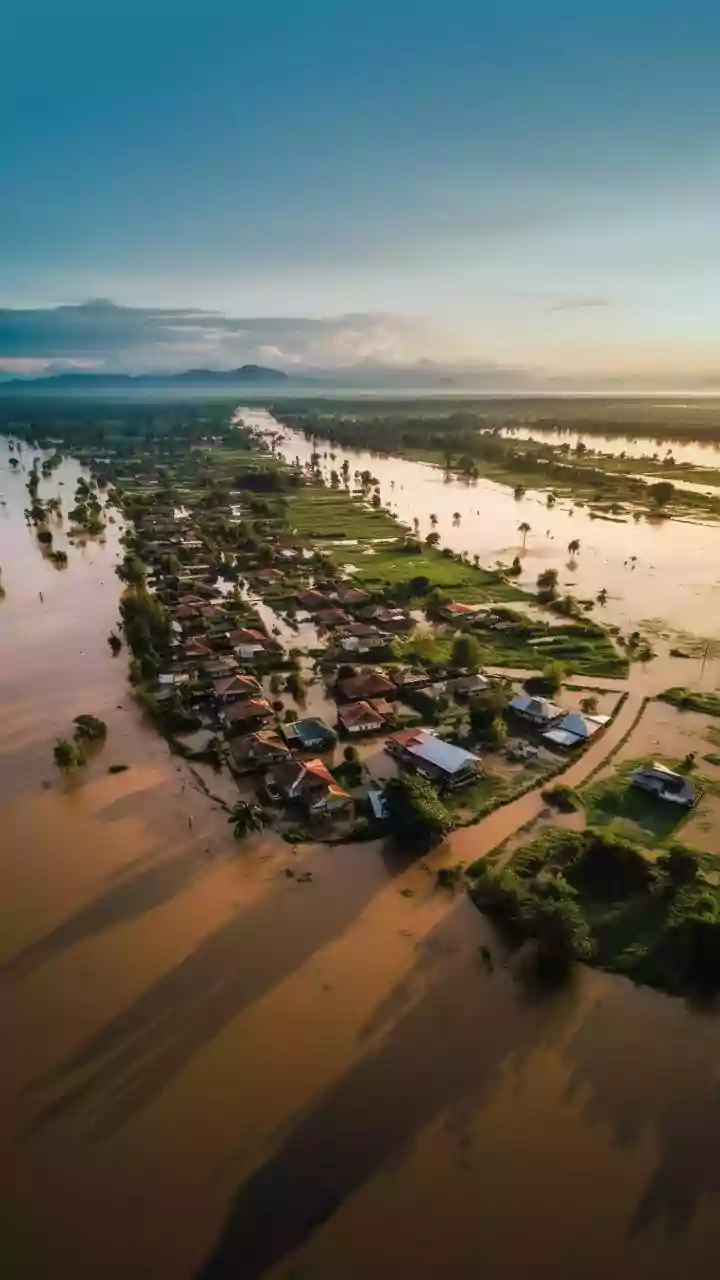
The joy of the first rains is a cherished Mumbai tradition, but it quickly gives way to the practical realities of the season. The relief from the heat is soon replaced by the annual challenges of life during a Mumbai monsoon. The city's infrastructure is immediately put to the test. Waterlogging on roads and railway tracks can throw the world's busiest suburban train network into chaos, stranding millions of commuters. Potholes appear overnight, and the risk of building collapses and landslides becomes a serious concern. While the rain replenishes the lakes, it also brings the city to a standstill at times. The arrival of the monsoon marks a shift in gear—from waiting for the rain to learning how to live with it, in all its life-giving and disruptive glory.