



The Quintessential Winter Fruit
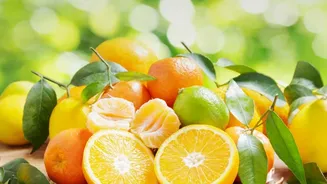
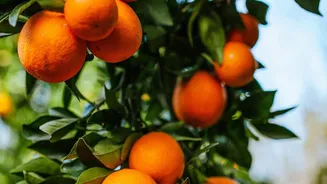
Few fruits capture the essence of Indian winters quite like the orange. From street-side stalls skillfully peeling and serving fresh slices to the pyramids of glowing citrus at local markets, the orange is a seasonal icon. The most famous of these is undoubtedly
the Nagpur santra, a variety so distinct in its sweet-and-sour taste that it has earned a Geographical Indication (GI) tag. This tag certifies its origin and unique qualities, which are tied to the specific soil and climate of the Vidarbha region. The winter harvest, known as the Ambia bahar, reaches markets from October to December, offering a slightly tangier flavour profile that many have come to associate with the season. A second harvest, the Mrig bahar, arrives in February and March, ensuring a steady supply of this beloved fruit through the cooler months.
A Boost for Winter Wellness
Oranges are celebrated for their high vitamin C content, a crucial nutrient for bolstering the immune system against common winter ailments like colds and flu. A single medium-sized orange can provide a significant portion of your daily vitamin C requirement, which aids in the production of white blood cells that defend the body against infections. But the benefits don't stop there. Oranges are also a good source of dietary fibre, which supports digestive health and helps maintain stable blood sugar levels. They contain anti-inflammatory compounds like flavonoids and are packed with antioxidants that protect your cells from damage. Furthermore, with their high water content, oranges are an excellent way to stay hydrated during the dry winter months.
A Guide to Indian Orange Varieties
While the Nagpur orange often takes centre stage, India is home to a diverse family of citrus. One of the most common sights, especially in North India, is the Kinnow. A hybrid mandarin, the Kinnow is known for its deep orange, glossy skin, and abundant juice, making it a favourite for juicing. It's typically juicier and a bit more tart than a regular orange. Down south, the Coorg mandarin from Karnataka offers a unique flavour and strong aroma, earning it its own GI tag. Its tangy profile makes it ideal for preserves and marmalades. In the northeastern hills, you'll find the Khasi mandarin, another regional specialty known for its balanced sweet-sour taste. These different varieties ensure that no matter where you are in India, a fresh, locally significant orange is likely within reach during winter.
How to Pick and Store the Perfect Orange
Selecting the best oranges is a simple art. Look for fruits that feel firm and heavy for their size, which is a good indicator of high juice content. The skin should be smooth and brightly coloured, without any soft spots, blemishes, or signs of mould. Don't be deterred by minor surface scars, as these often happen when the fruit rubs against a branch and don't affect the quality inside. It’s also worth noting that oranges do not ripen further after being picked, so what you buy is what you get in terms of sweetness. To keep them fresh, you can store oranges on the counter for a few days. For longer life, however, it's best to place them in the crisper drawer of your refrigerator, where they can last for three to four weeks.
Beyond the Fruit Bowl
While eating oranges fresh is the most common way to enjoy them, their versatility extends far into the Indian kitchen. The zest can be used to flavour everything from baked goods to rice dishes. Freshly squeezed juice is a classic, but segments can also brighten up salads and provide a sweet contrast in savoury dishes. In some regional cuisines, oranges find their way into unique preparations. For instance, a Bengali speciality, Komola Kheer, is a delicate milk pudding featuring fresh orange segments. In the south, a tangy Orange Rasam offers a refreshing twist on the traditional dish. Even the peels, which are usually discarded, can be transformed into flavourful chutneys or pickles, proving that every part of this winter fruit can be put to good use.