


The Hyper-Local Pantry
For years, modern Indian cooking flirted with global ingredients like quinoa and avocado. Now, the focus is shifting inward. A new wave of chefs and passionate home cooks are championing a 'farm-to-table' philosophy, but with a distinctly Indian soul.
This isn't just about sourcing locally; it's a deeper exploration of our own culinary backyards. They are looking past the standardised vegetables in supermarkets and forging direct relationships with farmers to celebrate ingredients that are tied to a specific region, climate, and culture. This movement, often called 'hyper-local', is bringing forgotten greens, hardy millets, and unique regional specialties back to the centre of the plate.
Vegetables Beyond the Ordinary
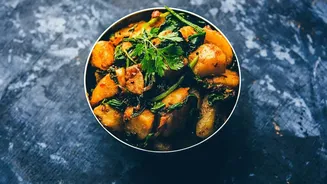
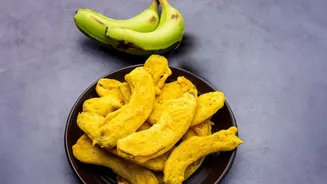
Think Indian vegetables, and staples like potatoes, cauliflower, and bhindi might come to mind. But chefs are now proving that even the most 'mundane' vegetables can be extraordinary. Bottle gourd (lauki), for instance, is being transformed into delicate, noodle-like strands for fine-dining menus, while ridge gourd (tori) is finding a new life in vegetarian galouti kebabs. At the same time, lesser-known heroes are entering the spotlight. In the south, root vegetables like sweet potato, yam, and taro are being celebrated for their versatility. Chefs are also experimenting with foraged produce like fiddlehead ferns and pumpkin flowers, turning them into contemporary dishes that tell a story of their origin.
The Humble Dal, Reimagined
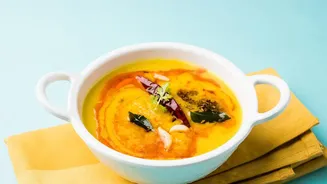
Dal is the heartbeat of Indian home cooking, but its diversity is often underestimated. While dal makhani and dal tadka are famous, a world of regional lentil preparations offers a spectrum of flavours. In Maharashtra, Amti dal gets its signature sweet and sour taste from tamarind, jaggery, and a special goda masala. From Gujarat comes Dal Dhokli, a one-pot meal where spiced wheat dumplings are simmered in a tangy toor dal broth. In Bihar, Dal Pithi follows a similar principle, creating a hearty and filling meal. And in Bengal, the magic lies in the tempering, where a five-spice blend called panch phoron bloomed in mustard oil gives simple lentils a distinctly fragrant character.
Condiments with Character
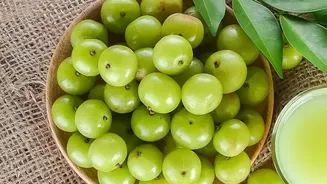
The secret to elevating any Indian meal often lies in its condiments, and regional produce is providing a thrilling new palette for chutneys, pickles, and flavourings. The souring agent is a key example. Instead of relying only on tamarind or amchoor, chefs are using ingredients like kokum, a dark purple fruit from the Konkan coast with a clean, berry-like acidity. Another is Kodampuli, or Malabar Tamarind, used extensively in Kerala. Spices, too, are becoming more specific. Chefs are exploring the smoky, earthy notes of Kalpasi (stone flower) from Maharashtra and South India, the celery-like aroma of Radhuni from Bengal, and the fiery kick of Kanthari Mulagu chillies from Kerala. These ingredients are not just flavour enhancers; they are edible storytellers of India's rich biodiversity.