






The Allure of a Single Origin
Before diving into the regions, it's worth understanding what makes 'single-origin' so special. Unlike blends, which combine beans from different places to create a consistent taste, single-origin coffee comes from one specific farm or geographical area.
This means the coffee in your cup is a pure expression of its 'terroir'—the unique combination of soil, climate, altitude, and cultivation practices of that one location. For coffee lovers, this traceability is everything. It transforms a simple beverage into a story of place, offering a distinct and unmasked flavour profile that changes with each harvest. This desire for an authentic, traceable experience is a major reason why enthusiasts are turning to specific Indian estates.
Chikmagalur: The Historic Birthplace
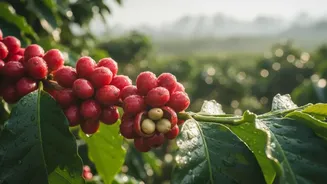
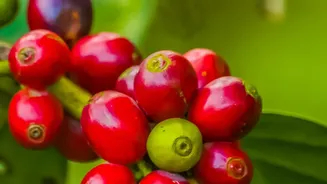
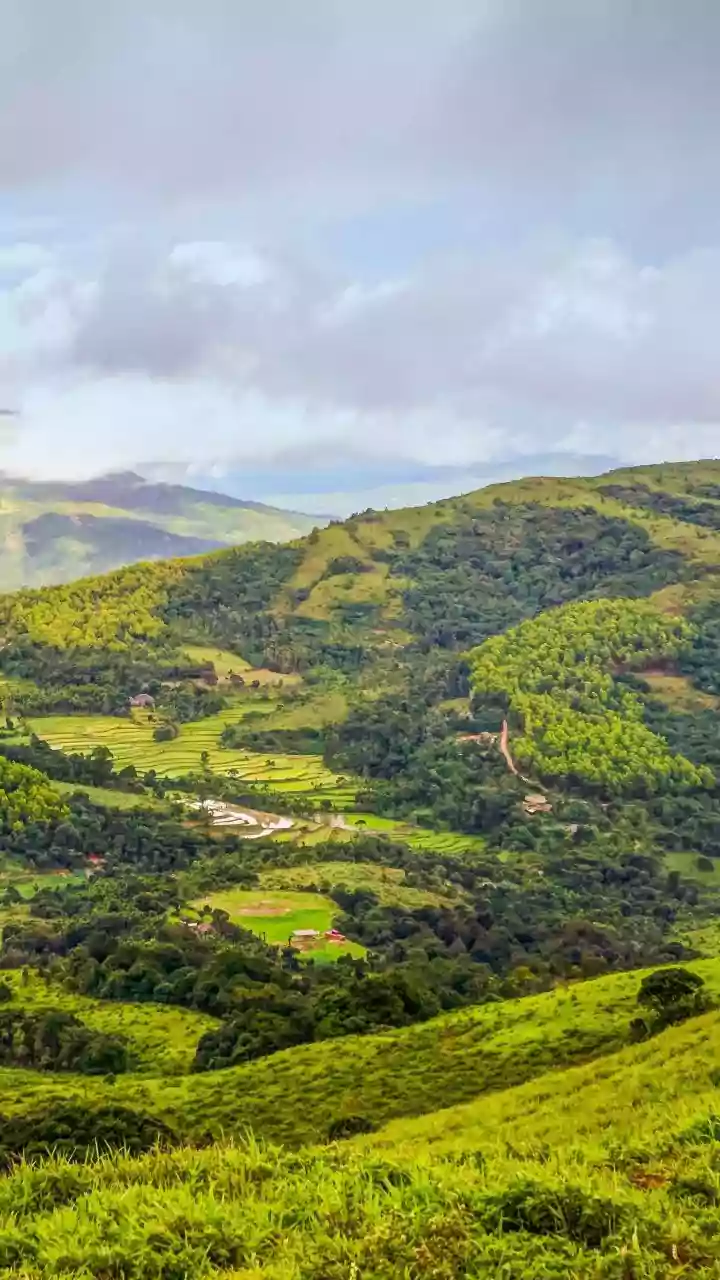
Any conversation about Indian coffee must begin in Chikmagalur, Karnataka, widely considered the birthplace of coffee in India. Legend holds that in the 17th century, a Sufi saint named Baba Budan planted seven coffee beans brought from Yemen on these very hills. This history is steeped in every cup. Chikmagalur's high altitude, fertile volcanic soil, and ample rainfall create ideal conditions for growing high-quality Arabica. Coffee from this region is celebrated for its mild, vibrant flavour, balanced acidity, and an enticing aroma with floral and citrusy notes. Enthusiasts appreciate its nuanced and smooth character, a direct result of the slow maturation of coffee cherries in the cool mountain climate.
Coorg: The Bold and Spicy Classic
Just south of Chikmagalur lies Coorg (Kodagu), another jewel in Karnataka's coffee crown and one of India's largest coffee-producing regions. Coorg Arabica is known for a bolder and more full-bodied profile compared to its neighbour. The beans are often inter-cropped with spices like pepper and cardamom, which many believe subtly influences their flavour. A cup of Coorg coffee often presents a balanced, low acidity with distinct notes of chocolate, nuts, and warm spice. This rich and complex flavour profile makes it a favourite for those who enjoy a robust and aromatic brew. The region's long history of family-run estates, where farming techniques have been passed down through generations, adds to its legacy of quality and tradition.
Araku Valley: The Organic Rising Star
The newest and perhaps most unique region on this list is the Araku Valley in Andhra Pradesh. Unlike the historic estates of Karnataka, Araku's coffee cultivation was introduced in the 1950s as a sustainable livelihood project for local tribal communities. Today, it is celebrated for its commitment to organic and biodynamic farming. The coffee is grown in iron-rich soil at high altitudes, developing a unique flavour profile entirely its own. Araku coffee is known for its bright acidity and medium body, with complex notes that can range from fruity and floral to hints of jaggery and dark chocolate. This coffee has gained international acclaim, even winning awards in Paris, for its quality and the powerful story of community empowerment and environmental harmony behind it.
A Connection to the Land
Ultimately, the preference for single-origin Arabica from these three regions stems from a desire for authenticity and diversity. Each origin offers a completely different sensory experience. Choosing a Chikmagalur roast is choosing a cup with bright, floral notes and a piece of Indian coffee history. Opting for Coorg is embracing a spicier, chocolatey profile rooted in generations of family farming. Selecting an Araku coffee means tasting a bright, complex brew while supporting a model of sustainable, community-led agriculture. For the modern Indian coffee enthusiast, the brew is no longer just about the caffeine kick; it's about savouring a connection to the land and the dedicated people who cultivate each bean.