



The Great Escape From The Urban Grind
For many young professionals in India's metros, the line between work and life has blurred into a state of perpetual burnout. The daily grind of traffic, pollution, high rents, and screen fatigue has prompted a search for an alternative. This quest for a healthier,
more meaningful existence is driving a migration away from traditional office hubs. Tech freelancers, designers, and digital entrepreneurs from the bustling Delhi-NCR region are leading the charge, armed with laptops and a desire for change. They are seeking not just a vacation, but a sustainable fusion of productivity and peace—a 'workation'. The goal is to escape the city's pressure cooker environment without sacrificing their careers, finding that a change of scenery can dramatically improve focus and well-being.
Why Rishikesh Is The New Office
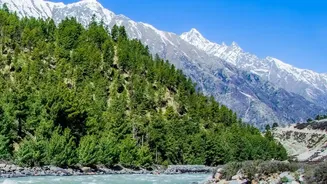
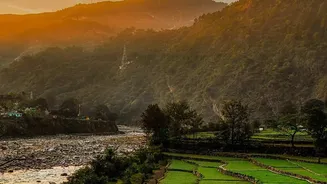
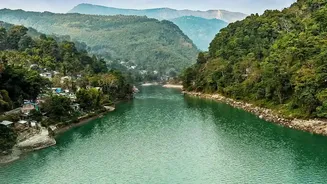
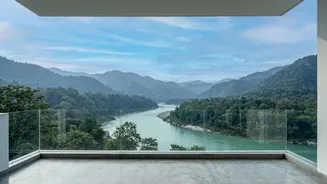
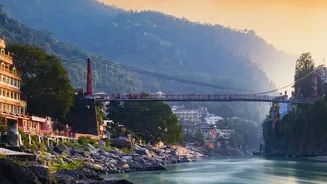
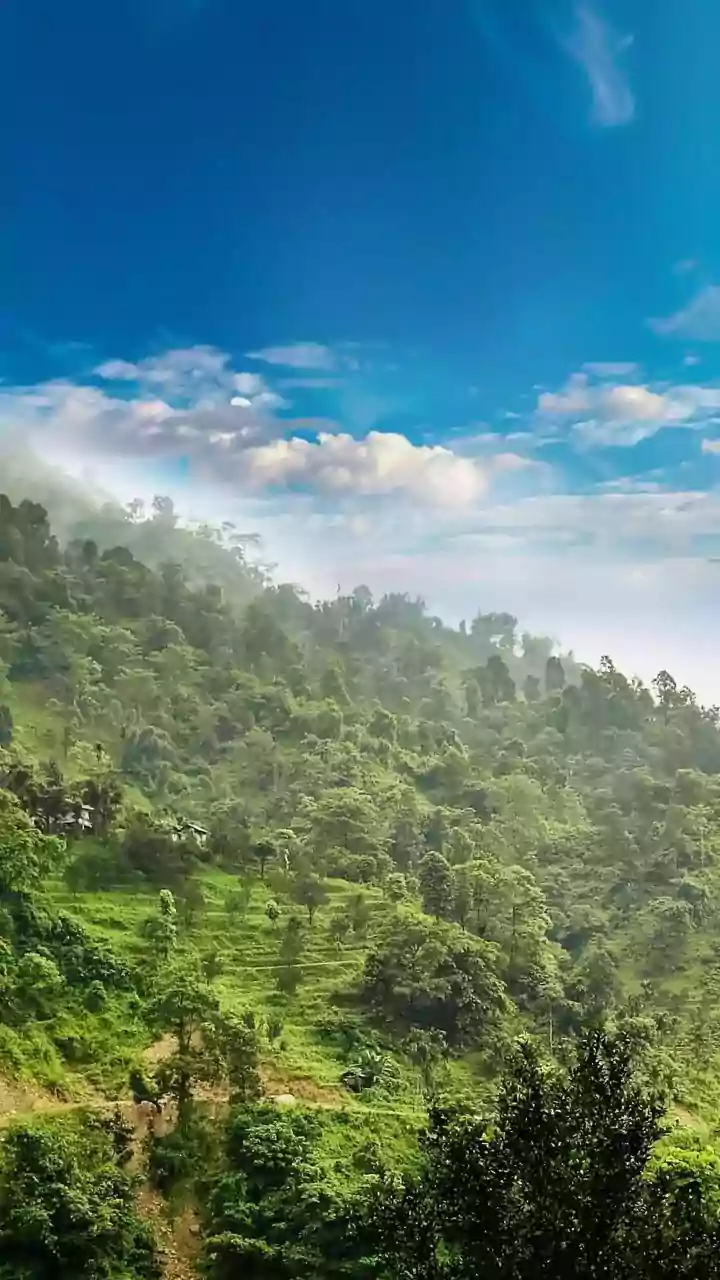
Rishikesh, long known as the 'Yoga Capital of the World', has emerged as the premier destination for this new tribe of digital nomads. Its appeal lies in a unique blend of spiritual calm, natural beauty, and modern infrastructure. The town’s location in the Himalayan foothills, with the sacred Ganga river flowing through it, provides a serene backdrop that is worlds away from a concrete jungle. Beyond its spiritual core, Rishikesh offers a vibrant café culture, opportunities for adventure sports like rafting and trekking, and a welcoming atmosphere. Crucially, it is relatively close to Delhi, making it an accessible escape. This combination of tranquility and connectivity has transformed the pilgrim town into a thriving hub for creative and tech professionals.
Inside The Ganga-Side Co-Living Spaces
Catering to this new demand is a burgeoning ecosystem of co-living hostels and guesthouses. Places in popular areas like Tapovan are no longer just for backpackers; they are fully-equipped hubs for remote work. For a monthly fee that can be as low as ₹15,000 - ₹18,000 for a dorm bed, residents get more than just a place to sleep. The standard package includes high-speed Wi-Fi (often 100 Mbps or more), essential power backup to navigate outages, and dedicated, ergonomic workspaces. These spaces are designed to foster a sense of community, with shared kitchens, lounges, and organised activities like movie nights, bonfires, and weekend excursions. This built-in social life is a major draw for freelancers who might otherwise find remote work isolating.
A Day in the Life of a Workationer
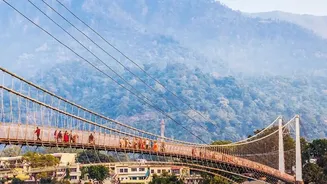
The daily routine for a workationer in Rishikesh is a study in balanced living. Mornings might begin with a yoga session overlooking the mountains, followed by a few hours of focused work in a quiet co-working corner. Lunch is often a healthy, simple meal at the hostel's café or a nearby eatery. The afternoons could be for client calls, with the Ganga visible from the window, before logging off as the sun begins to set. Evenings are for exploration and connection—a walk across the Lakshman Jhula bridge, attending the Ganga Aarti ceremony, or simply sharing stories with fellow nomads over chai. Weekends are reserved for adventure, whether it's a hike to a hidden waterfall or a rafting trip down the river. It’s a rhythm that prioritizes both deadlines and mental peace.
Is It All Serenity and Good Wi-Fi?
While the lifestyle is appealing, it’s not without its challenges. The biggest hurdle is self-discipline. With so many distractions, from impromptu trek invitations to riverside café-hopping, staying focused on work requires commitment. While internet infrastructure has improved dramatically, connectivity can still be inconsistent in certain pockets, making backup mobile data a necessity. Furthermore, the community aspect, while a benefit for many, may not suit those who prefer solitude. The reality is that a workation is still about work. Deadlines don't disappear just because the view has improved. Success in this environment means finding a personal rhythm that honours both professional responsibilities and the unique opportunities for well-being that Rishikesh offers.