







The Monsoon's Progress
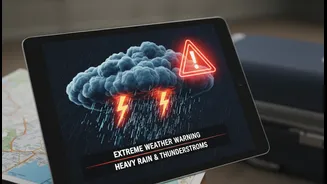
As of early July 2026, the Southwest Monsoon is on the verge of covering the entire country. The India Meteorological Department (IMD) announced on July 7th that conditions were favourable for the monsoon to advance into the remaining parts of Rajasthan,
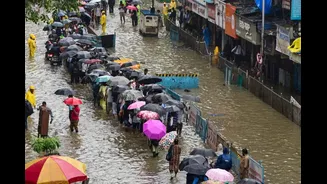
Haryana, and Punjab within the next two to three days. This year's progression has seen heavy rainfall battering regions like Mumbai, Delhi, and West Bengal, leading to familiar scenes of waterlogging and traffic disruption. While some parts of the country have received heavy showers, the IMD's overall forecast for July suggests below-normal rainfall for many regions, coupled with higher than normal temperatures, raising concerns about agricultural output and water-reservoir levels.
A Predictable Annual Crisis
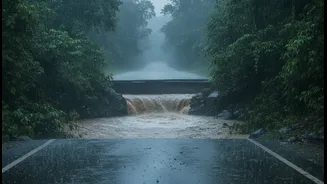
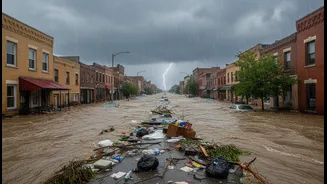
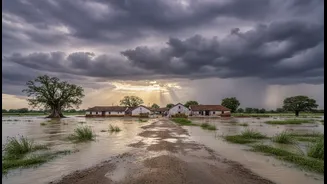
The monsoon is a dual-edged sword. It is the lifeblood of India's agrarian economy, but its arrival often triggers a recurring, man-made crisis: urban flooding. Each year, images of submerged streets, stranded vehicles, and inundated homes dominate the news cycle from Delhi to Mumbai to Bengaluru. This is not simply a problem of too much rain. It is a failure of planning. Cities have expanded rapidly over natural floodplains, wetlands, and lakes, choking the natural pathways for water. Outdated and clogged drainage systems are quickly overwhelmed by intense rainfall, a problem exacerbated by the increasing frequency of extreme weather events due to climate change.
The Myth of Being 'Monsoon-Ready'
Every year, civic bodies announce that they are 'monsoon-ready', citing pre-monsoon desilting of drains as proof. Yet, the annual chaos proves otherwise. The problem is systemic. Responsibilities are fragmented across multiple government departments, leading to poor coordination and a lack of accountability. National Disaster Management Authority (NDMA) guidelines exist for managing urban floods, but their implementation at the local level is often weak due to underfunded and under-empowered municipal bodies. The cycle of last-minute panic, followed by a swift return to complacency once the water recedes, has become a dangerous national habit. We treat a predictable, annual event as an unforeseeable disaster.
What 'Weather-Smart' Planning Looks Like
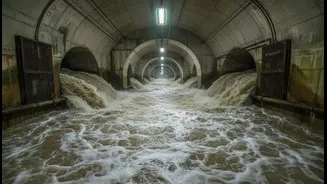
Moving from reactive crisis management to proactive resilience is what 'weather-smart' planning is all about. It means fundamentally rethinking how our cities are designed and managed. This includes upgrading stormwater drainage systems to handle modern rainfall intensities, not just historical averages. It means enforcing land-use regulations that protect wetlands and floodplains, which act as natural sponges. Solutions like rainwater harvesting, permeable pavements, and the creation of 'sponge cities' with extensive green spaces can help absorb and manage excess water, turning a hazard into a resource. Technology also plays a key role, from advanced, localised weather forecasting to GIS-based flood mapping that can identify high-risk zones before they are inundated.
A Shift in Mindset is Required
Ultimately, tackling the monsoon's destructive side requires a paradigm shift. We must move beyond short-term fixes and invest in long-term, climate-resilient infrastructure. This involves empowering local urban bodies with the funds and authority to implement robust flood management plans. It also requires community participation, from simple acts like not clogging drains with waste to active participation in local preparedness initiatives. Initiatives like the central government's 'Mission Mausam' aim to improve forecasting and climate resilience, but success will depend on effective ground-level execution. The goal is to build cities that don't just survive the monsoon but thrive with it, managing water as a precious resource rather than an annual enemy.