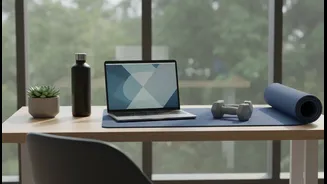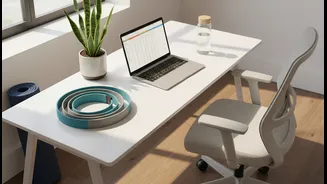









The Rise of the 'Active Couch Potato'
It sounds like a contradiction, but the 'active couch potato' is a growing phenomenon. This term describes someone who meets or exceeds the recommended weekly exercise guidelines—like hitting the gym for a vigorous workout—but spends the vast majority
of their remaining waking hours being sedentary. Many office workers fall into this category. The problem is that prolonged, uninterrupted sitting has its own distinct health risks, which a single bout of exercise may not fully cancel out. Research shows that even for active people, spending hours at a desk is linked to a higher risk of chronic conditions like heart disease, type 2 diabetes, and even some cancers. Think of it this way: your morning run is fantastic, but it doesn't give you a free pass to remain stationary for the next eight to ten hours.
Why an Hour of Exercise Isn't a Magic Eraser
When you sit for extended periods, your body shifts into a low-energy state. Your large muscle groups, like those in your legs and glutes, become inactive, which slows your metabolism and impairs your body's ability to regulate blood sugar and break down fat. This can lead to weakened muscles, particularly in the legs and glutes, and shortened hip flexors, contributing to poor posture, back pain, and joint stiffness. A one-hour workout, while beneficial, is often not enough to reverse the metabolic slowdown and muscular imbalances caused by hours of inactivity. Studies suggest that frequent, short breaks from sitting are crucial. Research has found that taking a five-minute light walk every half hour can significantly lower blood sugar and blood pressure levels compared to sitting all day.
The Power of NEAT
The secret weapon against a sedentary workday is something called Non-Exercise Activity Thermogenesis, or NEAT. This refers to the energy you expend doing everything other than sleeping, eating, or formal exercise. It includes everyday movements like walking to the printer, tidying up your desk, fidgeting, taking the stairs, or even just standing. While these small movements don't feel like a workout, their cumulative effect is significant. Increasing your NEAT throughout the day keeps your metabolism more active, improves circulation, and helps prevent the muscle stiffness associated with long periods of sitting. It's not about replacing your gym session; it's about supplementing it by weaving more low-level activity into your entire day.
Simple Ways to Break Up Your Day
Integrating more movement doesn't require a major lifestyle overhaul. The key is to make small, consistent changes. Start by setting a timer to remind yourself to get up and move for a few minutes every 30 to 60 minutes. Consider a standing desk or an adjustable converter that allows you to easily switch between sitting and standing. Take your phone calls while walking around your office or home. Instead of emailing a colleague who sits nearby, walk over to their desk. Opt for the stairs instead of the elevator whenever possible. Even simple stretches at your desk—like shoulder rolls, neck stretches, and reaching for your toes—can relieve tension and boost blood flow. These brief 'movement snacks' break up sedentary time and can improve focus and productivity.
Make Your Workout Work Smarter
While gym time alone isn't the complete answer, you can tailor your workouts to more directly counteract the effects of sitting. Focus on strengthening the muscles that become weak and underused from sitting all day, particularly your glutes, core, and upper back. Exercises like glute bridges, planks, and rows are excellent for this. Additionally, dedicate time to stretching the muscles that become tight, such as your hip flexors and hamstrings. Poses like a deep lunge or a seated forward fold can help release tension and improve flexibility. By combining a workout routine that targets postural imbalances with a commitment to moving more throughout your day, you create a powerful, two-pronged approach to combat the negative effects of your desk job.